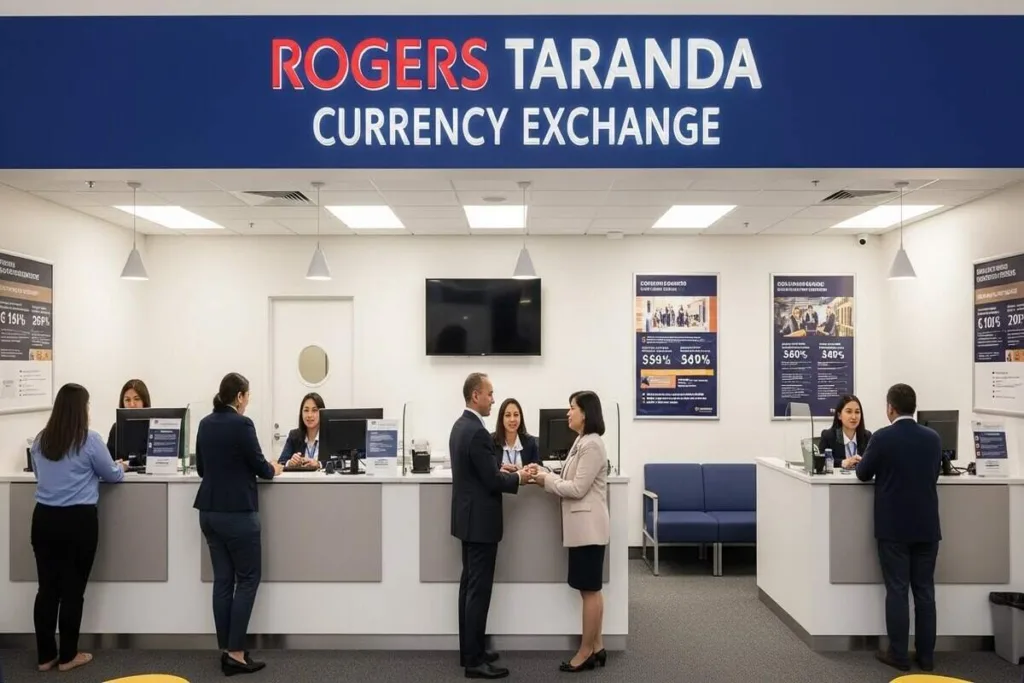
Currency exchange services convert one country’s currency into another to support international travel, cross-border payments, and global financial activities. Many customers choose providers like Order Express to compare exchange rates, access convenient branch locations, and prepare funds for upcoming international travel or overseas expenses. For a broader overview of practical retail conversion guidance, see the resource on retail currency exchange services in the U.S. to better understand how exchange providers support international travelers and cross-border financial needs. Exchange rates change continuously based on worldwide market activity, economic news, and shifting demand between currencies, which means the timing of a transaction can influence the value received.
This article outlines how exchange rate movements occur throughout the day and why timing matters when preparing funds for travel or overseas expenses. Readers will gain practical guidance on monitoring rate trends, planning conversions in advance, and making informed decisions when converting money for international use.
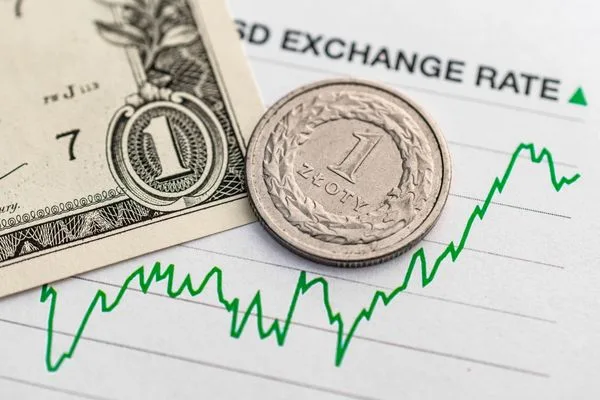
How Market Timing Affects Exchange Rates
Exchange rates constantly adjust as global markets react to economic data, geopolitical developments, and trading demand. When someone conducts a currency exchange, the value received reflects the rate available at that exact moment. Timing therefore becomes important because rates may strengthen or weaken even within the same day.
Travelers preparing for international travel often notice these changes when converting funds shortly before departure. A rate that appears favorable one day may shift the next due to market activity. Understanding these fluctuations helps individuals avoid rushing a transaction and instead consider whether monitoring rates longer may support a more informed exchange decision. However, future exchange movements remain unpredictable and no timing strategy guarantees better results.
What Is The Best Time To Exchange Foreign Currency?
There is no single best time to exchange foreign currency because exchange rates fluctuate continuously based on global market activity, economic news, and international demand. Many travelers monitor exchange rate trends several days before converting money so they can compare rates and avoid last-minute transactions.
Factors that may influence currency exchange timing include:
- Economic announcements
- Interest rate changes
- Seasonal travel demand
- Global market volatility
- Differences between exchange providers
Because currency values are unpredictable, comparing rates and planning ahead may help travelers make more informed exchange decisions without guaranteeing specific outcomes.
Daily Market Activity And Rate Movements
Exchange rates change frequently throughout the day, and currency exchange transactions reflect those real-time movements. Global trading centers in Asia, Europe, and North America influence currency demand, causing values to adjust as markets open and close.
For example, someone preparing to convert dollars to pesos for an upcoming trip may notice small rate differences between morning and afternoon transactions. These shifts occur because institutional traders, economic announcements, and cross-border payments influence supply and demand.
Monitoring rates across several days can help individuals identify general patterns rather than reacting to a single moment. Public data sources such as the Federal Reserve H.10 foreign exchange rate release help illustrate how major currency values move in global markets. While observing daily activity may provide useful context, currency exchange rates are unpredictable and future outcomes cannot be anticipated with certainty. Exchange values can change rapidly due to market conditions and global financial events.
Economic Events And Currency Value Changes
Major economic announcements can influence exchange values, and currency exchange services immediately reflect those shifts. Government reports on inflation, employment, or interest rates often cause short-term fluctuations in global currency markets.
For instance, if economic data strengthens a country’s currency, the exchange value may change within minutes. Travelers exchanging funds for overseas expenses might therefore receive slightly different amounts depending on the timing of their transaction.
Although everyday customers cannot control these broader financial developments, awareness helps explain why rates sometimes change quickly. Economic monitoring resources such as the U.S. Treasury exchange rate analysis reports provide insight into global currency valuation trends that influence these shifts.
Seasonal Travel Demand And Exchange Availability
Seasonal travel periods can influence currency exchange conditions because demand rises when many people prepare for international travel. Holidays, tourism peaks, and large events increase the volume of people converting cash for foreign destinations.
During these periods, rates may adjust slightly because higher demand increases overall trading activity and retail currency needs. For example, travelers converting funds for summer trips abroad may notice different rates than those exchanging currency during quieter seasons.
Planning ahead helps reduce the pressure of last-minute conversions. When individuals review rates several days or weeks before departure, they gain more flexibility to select a time that aligns with their travel schedule and financial planning. Consumer financial education programs such as the FDIC Money Smart financial education program also encourage planning financial decisions ahead of major travel or international transactions.
Practical Timing Tips For Everyday Currency Conversion
Planning ahead helps individuals approach currency exchange more strategically rather than reacting to urgent travel deadlines. Timing decisions become easier when travelers monitor rate patterns before converting funds.
Practical steps that support better timing include:
- Checking exchange rates over several days before converting money for international travel
- Comparing rates offered by different currency exchange providers or financial institutions
- Avoiding last-minute airport conversions when possible due to limited comparison opportunities
- Converting partial amounts earlier and completing the transaction later if rates change
These habits help everyday customers manage timing risks while maintaining flexibility for travel preparation.

Practical Strategies For Timing Currency Transactions
Although predicting exact rate movements remains difficult, practical planning helps individuals manage the timing of currency exchange transactions. Simple preparation steps allow travelers or international shoppers to respond more thoughtfully when converting funds.
Many people begin researching exchange options several weeks before departure. Learning about common timing considerations makes it easier to recognize favorable conditions and avoid rushed decisions. Understanding available currency exchange services also supports informed choices about where and when to complete a transaction.
Monitoring Exchange Rate Trends Before Travel
Monitoring currency exchange rate trends before converting funds provides helpful context for planning a currency exchange. Many travelers researching the best time to exchange money or checking today’s exchange rates monitor market activity several days before completing a transaction. Instead of reacting to a single day’s rate, travelers can observe how values move across several days or weeks.
This approach works well when preparing for international travel because it allows time to evaluate potential changes. Someone converting dollars to pesos for a vacation, for example, may notice gradual shifts influenced by economic updates or global trading patterns.
Monitoring these patterns helps travelers make more informed decisions when preparing funds for overseas expenses. Reviewing several days of rate activity provides useful perspective before completing a conversion.
Choosing The Right Moment For Conversion
Selecting a practical moment to complete a currency exchange often involves balancing convenience with market awareness. While no one can predict exact currency movements, planning transactions during calm market periods sometimes reduces exposure to sudden fluctuations.
For instance, individuals who convert funds several days before travel usually have more flexibility than those exchanging cash at the airport. This extra time allows comparison between providers and the opportunity to revisit the rate if it improves slightly.
Completing the transaction through a reputable exchange provider also helps customers understand pricing and fee structures more clearly, which supports better outcomes regardless of minor timing differences.
Balancing Convenience And Rate Considerations
Convenience often influences currency exchange decisions, especially when travelers are preparing for flights or international business trips. Although timing matters, accessibility and reliability also play important roles.
For example, converting cash at nearby branch locations several days before travel may provide more predictable results than waiting until arrival in another country. Early preparation reduces stress and ensures travelers carry appropriate funds upon arrival.
Balancing timing with convenience allows individuals to prioritize practical needs while still considering potential exchange rate advantages. This balanced approach helps avoid rushed decisions that may occur under tight travel schedules.
Choosing Established Currency Exchange Providers
Many travelers prefer established currency exchange providers with accessible branch locations, transparent transaction processes, and experience handling international currency services. Comparing available exchange options may help customers evaluate convenience, accessibility, and exchange rate availability before completing a transaction.
Providers operating within regulated financial frameworks typically follow documentation and compliance procedures designed to support secure and transparent transactions. Reviewing rates, service availability, and provider reputation can help customers make informed currency exchange decisions before international travel.
Security And Compliance Awareness During Exchange
Currency exchange services in the United States operate within broader financial regulatory frameworks designed to promote transparency and reduce financial crime. Many currency exchange businesses fall under the category of money services businesses and are subject to requirements related to customer identification, recordkeeping, transaction monitoring, and financial transparency. Authorized providers may also follow licensing, Know Your Customer (KYC), and anti money laundering compliance requirements designed to support customer protection and regulatory oversight.
Federal agencies such as the Financial Crimes Enforcement Network (FinCEN) publish guidance describing these regulatory expectations for financial institutions and money services businesses. These requirements are part of wider anti money laundering and financial transparency frameworks that apply across many types of financial service providers.
For customers, these regulatory structures primarily operate in the background of everyday transactions. Their purpose is to support documentation standards and financial system oversight while individuals conduct routine currency exchange transactions through various financial service providers.
Conclusion
Timing influences the value received during currency exchange because exchange rates change throughout the day in response to global financial activity. Market trends, economic announcements, and travel demand can all affect how much foreign currency someone receives when converting funds.
While individuals cannot control market movements, simple preparation strategies improve decision-making. Monitoring rate trends, planning conversions before travel, and using reputable exchange providers all help manage timing risks. By understanding how exchange timing works, everyday customers can approach international currency transactions with greater clarity and confidence.
When planning a currency exchange, many travelers compare exchange providers, review current exchange rates, and prepare transactions in advance to support more informed travel planning. Providers with accessible branch locations, transparent processes, and regulated financial compliance practices may help customers complete currency exchange transactions with greater convenience and confidence.
Educational Disclaimer: This content is provided for general informational purposes only and does not constitute legal, financial, or regulatory advice.
Frequently Asked Questions
What is the best time to exchange foreign currency?
Rates change constantly, so monitoring trends for several days before exchanging currency can help identify favorable timing.
Why do currency exchange rates change daily?
Exchange rates fluctuate due to global market trading, economic news, interest rate expectations, and international demand for currencies.
Should travelers exchange money before leaving home?
Many travelers convert at least part of their funds before departure to avoid rushed decisions or limited exchange options.
Do exchange providers offer the same rates everywhere?
Different providers may apply varying margins or fees, which can result in slightly different exchange rates.
Is it safer to use licensed currency exchange providers?
Many currency exchange providers operate within financial regulatory frameworks that include documentation and transaction monitoring requirements. These systems are designed to support transparency and financial system oversight while facilitating routine currency exchange transactions.
Can exchange rates improve if I wait before converting money?
Exchange rates may increase or decrease over time depending on global market conditions, economic events, and currency demand. Because future exchange movements are unpredictable, waiting does not guarantee a more favorable rate.

Alvin is a Content and SEO Specialist who creates clear and helpful content about money transfers and payment systems. He focuses on making complex topics easy to understand so readers can learn how these services work in everyday situations.