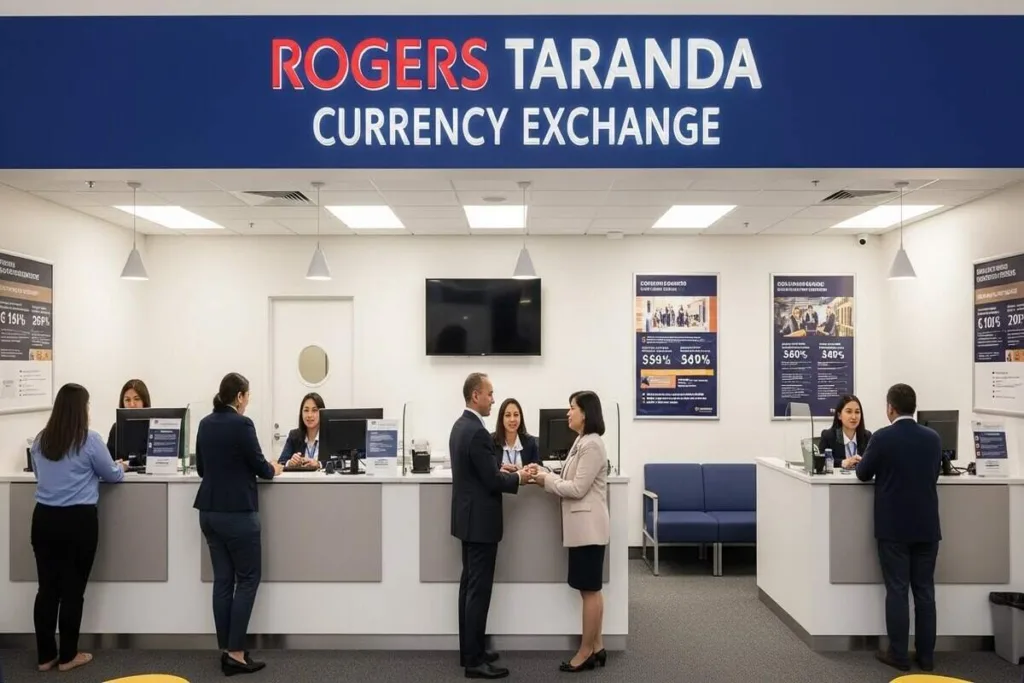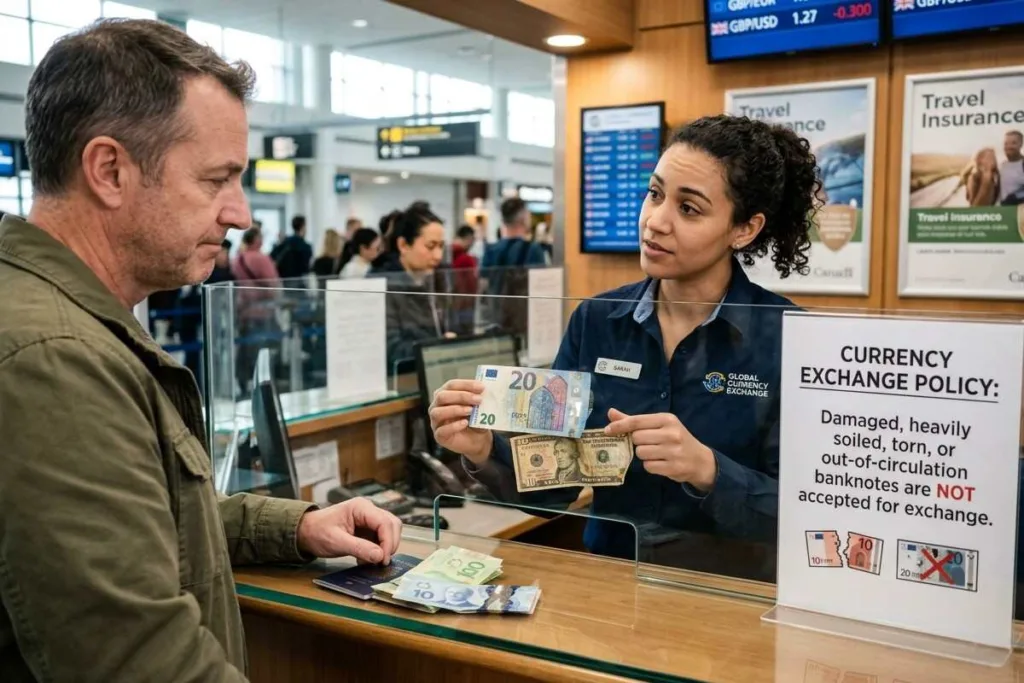
Exchange providers may reject damaged, outdated, or suspicious banknotes when important security features cannot be verified. Consumers should inspect foreign cash before visiting an exchange provider. Rejected banknotes can delay important transactions.
Before exchanging foreign currency, review our retail currency exchange guidance. Preparation helps reduce rejected transactions. It also improves confidence during urgent payment situations.
Why Physical Banknote Condition Matters During Currency Exchange
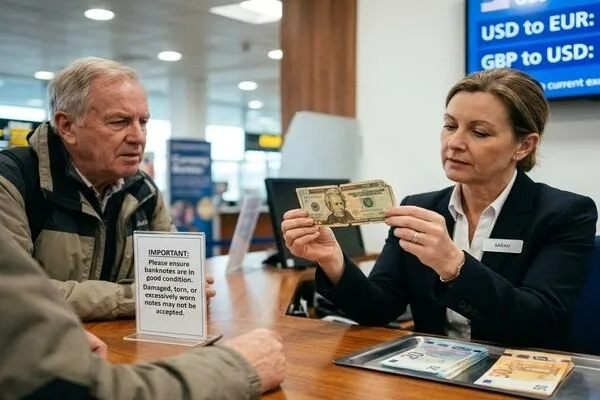
Currency exchange providers inspect foreign banknotes before approving transactions. Damaged currency creates authentication challenges during verification. Torn sections, excessive markings, and heavy wear can prevent security systems from confirming important features. Clean, well-preserved banknotes are generally easier to verify. This may help speed transaction processing.
Federal regulations under the Bank Secrecy Act focus on transaction monitoring, reporting, and anti-money laundering requirements. These rules do not establish cosmetic standards for foreign banknotes. Acceptance of worn, damaged, or outdated currency is generally based on each provider’s operational policies. Consumers may review educational resources through the FDIC Money Smart program and the FDIC Consumer Resource Center.
Torn Or Incomplete Banknotes May Be Rejected During Verification
Exchange providers inspect damaged foreign banknotes before processing a transaction. Missing sections may prevent accurate authentication. Federal law requires financial institutions to monitor suspicious activity. However, decisions about incomplete banknotes are generally based on operational verification standards, not federal cosmetic rules. Torn banknotes can hide important security features. This may prevent successful verification.
Common rejection issues include:
- Large tears crossing important security features
- Missing corners affecting note identification
- Unreadable serial numbers preventing verification
- Detached sections disrupting authentication equipment
- Damaged holograms reducing counterfeit detection accuracy
Exchange providers may decline incomplete banknotes when important security features cannot be verified. Inspect foreign currency before visiting an exchange location. This helps reduce delays and rejected transactions. Clean and complete banknotes are generally easier to process.
Excessive Stains And Markings Reduce Exchange Eligibility
Exchange providers may decline heavily stained banknotes when contamination obscures important security features. Permanent marker ink or paint can interfere with authentication equipment. This may prevent successful verification.
Severely Worn Banknotes Create Authentication Concerns
Exchange providers may decline heavily worn banknotes when security features cannot be verified. Faded designs, weakened paper, or damaged holograms can affect authentication. Customers needing assistance may visit a nearby branch for an in-person currency evaluation.
How Currency Exchange Rules Affect Banknote Acceptance
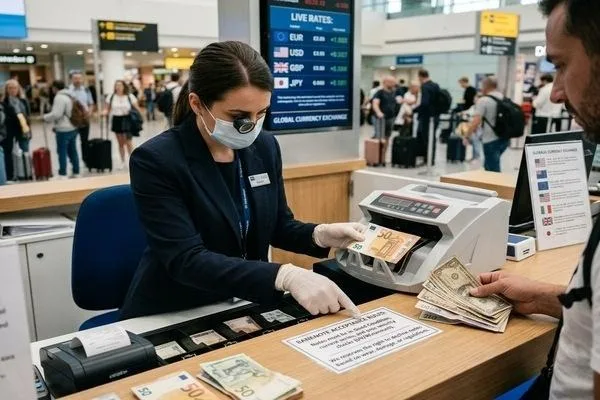
Currency exchange providers evaluate banknotes using two separate considerations. Federal regulations focus on transaction monitoring, identification requirements, and reporting obligations. Providers also apply operational standards to determine whether a banknote can be authenticated and processed.
Rejected transactions often involve discontinued banknotes, restricted currencies, or suspicious foreign cash. Understanding exchange requirements helps travelers prepare valid banknotes before visiting an exchange provider. For additional information, review Federal Reserve exchange rate data and U.S. Treasury exchange rate analysis.
Outdated Banknote Series Lose Exchange Eligibility
Currency exchange providers may decline outdated banknote series. Central banks regularly introduce new designs with updated security features. Federal regulations address transaction monitoring, recordkeeping, and reporting. They do not require providers to accept discontinued foreign currency. Acceptance of older banknotes depends on each provider’s operational capabilities and risk management standards. Some discontinued banknotes remain legal tender. However, many providers choose not to process them because verification is more difficult.
Several factors commonly affect outdated banknote acceptance:
- Central banks eventually remove older banknote designs from active circulation
- Exchange providers prefer current currency series with updated security features
- Discontinued banknotes frequently require manual verification before approval
- Older foreign currency may face limited acceptance across international exchange locations
Check current banknote designs before visiting an exchange provider. This helps reduce unnecessary delays. Carrying recently issued currency may improve processing. Review central bank announcements before traveling to identify discontinued banknotes. Proper preparation makes currency exchange transactions smoother and more efficient.
Restricted Or Canceled Currencies Cannot Receive Exchange Services
Exchange providers generally cannot process canceled banknotes after issuing authorities remove them from circulation. Political instability or emergency demonetization may cause previously accepted currency to become ineligible for exchange.
Counterfeit Concerns May Prevent Currency Exchange
Exchange providers may decline suspicious banknotes when security features appear altered or inconsistent. Federal law requires financial institutions to monitor certain suspicious or unlawful activity. This includes potential counterfeit currency. Providers may pause or decline a transaction during an internal compliance review. Customers are not informed about any regulatory reporting decisions. Consumers may review anti-money laundering guidance through FinCEN resources.
Customers needing assistance with transaction concerns may contact customer support representatives directly for additional guidance.
What To Do If Your Banknote Is Rejected
If a provider cannot process your banknote, you still have options.
- Ask whether another note from the same currency can be exchanged.
- Contact the issuing country’s central bank to learn about replacement programs.
- Keep damaged banknotes together and avoid additional handling.
- Bring alternative banknotes if possible.
- Contact the exchange provider before visiting if you are unsure about your currency.
Preparation can help reduce delays and avoid unnecessary trips.
Key Takeaways
- Damaged banknotes may be declined when important security features cannot be verified.
- Torn, stained, or heavily worn banknotes are more likely to fail authentication.
- Older banknote series may not be accepted after central banks introduce updated designs.
- Canceled or suspicious banknotes may not qualify for exchange services.
- Inspect foreign currency before visiting an exchange provider to help reduce delays.
U.S. federal regulations require financial institutions to verify customer identity in certain situations. They also require monitoring for suspicious activity. These requirements govern transaction processing, not banknote conditions. Decisions about damaged or outdated currency are generally based on each provider’s operational policies.
Conclusion
Inspect foreign banknotes before visiting an exchange provider. Damaged, outdated, or suspicious banknotes may not be accepted. Clean, current banknotes are generally easier to authenticate and process.
Before exchanging foreign currency, confirm your banknotes are clean, complete, and currently in circulation. Each provider may apply different operational standards. Federal regulations govern transaction monitoring and reporting, not cosmetic banknote standards.
Disclaimer: Acceptance policies vary by provider. Operational procedures and authentication standards may differ between financial institutions and exchange providers.
Frequently Asked Questions
Can exchange providers accept slightly torn foreign banknotes?
Some providers may accept lightly torn banknotes if important security features remain visible. Acceptance depends on the provider’s operational policies.
Why do exchange providers reject heavily marked banknotes?
Heavy markings can obscure important security features. This may prevent successful authentication.
Can consumers exchange discontinued foreign banknotes successfully?
Some discontinued banknotes remain exchangeable for a limited time. Others require replacement through the issuing country’s central bank.
Do exchange providers inspect counterfeit security features carefully?
Providers examine holograms, serial numbers, and other security features. A transaction may be paused if a banknote raises authenticity concerns. Federal regulations require monitoring of certain suspicious activity. Customers are not informed about regulatory reporting decisions.
Should consumers inspect foreign banknotes before visiting exchange providers?
Yes. Inspecting foreign currency before visiting an exchange provider can help reduce delays and avoid unnecessary complications.

John is a Content & SEO Specialist who enjoys breaking down complex financial topics, like cross-border payments and money transfers, into content that’s easy to understand. He focuses on creating practical, search-driven content that helps people find answers and make informed decisions.