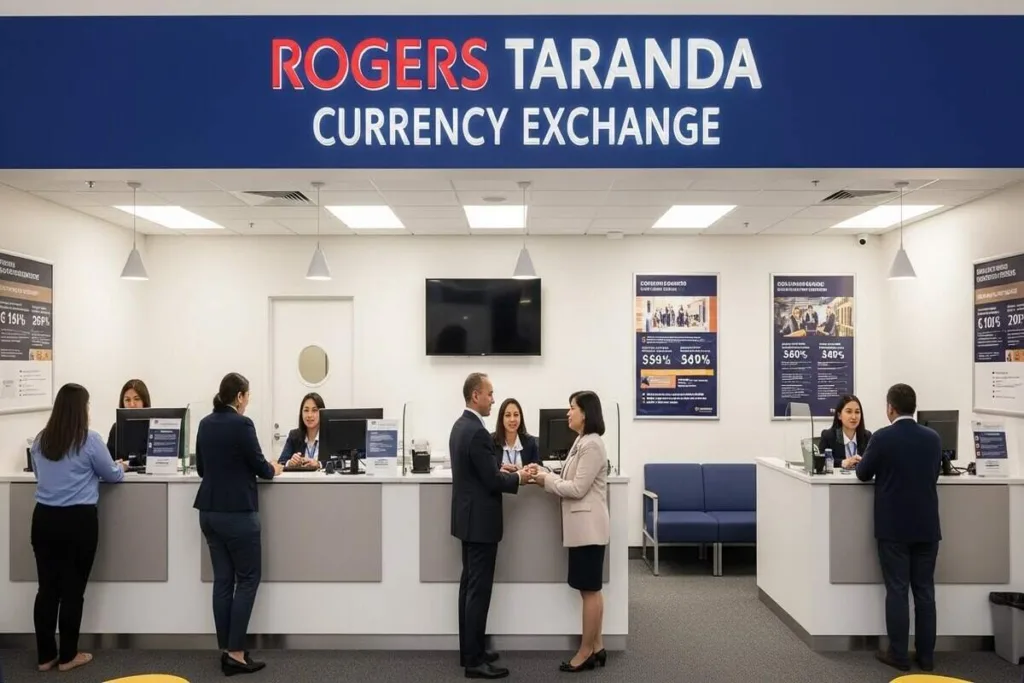
Currency exchange services allow customers to convert one country’s currency into another through regulated financial providers for purposes such as international travel, overseas expenses, or managing foreign cash. These services matter because handling physical currency involves security, usability, and compliance considerations that extend beyond the transaction itself. Requirements and outcomes may vary depending on the provider, jurisdiction, and specific transaction details. For broader context, general information about currency exchange services helps explain how these transactions are structured.
Proper storage after a currency exchange helps protect funds from loss, damage, or misuse while maintaining their usability for future transactions. This article outlines practical handling methods and key compliance-aware considerations to help customers store exchanged currency safely and responsibly.
Working with regulated currency exchange providers and maintaining accurate transaction records may also help support responsible financial practices and compliance with applicable requirements.

Practical Ways To Store Exchanged Currency Securely
Once customers exchange foreign currency, the next step is ensuring the funds remain protected and accessible for their intended use. Storage methods depend on how soon the money will be used and whether it will be carried locally or internationally.
Understanding basic handling practices can help customers reduce exposure to loss, damage, or misuse while following standard practices when interacting with regulated financial services.
Use Secure Physical Storage At Home
Customers who plan to hold exchanged cash for a short period may consider storing it in a secure, private location at home. A locked drawer, personal safe, or concealed storage area can help reduce visibility and limit unauthorized access.
When storing currency after a currency exchange, it may help to:
- Keep funds in a consistent location to avoid misplacement
- Avoid storing large amounts in easily accessible or shared areas
- Separate currencies if holding multiple denominations for travel
These practices support basic security but do not replace the benefits of regulated financial storage options when available.
Separate Travel Funds For Accessibility
For customers preparing for international travel, separating a portion of exchanged currency for immediate use can help maintain organization. This approach allows easy access for transportation, meals, or small purchases without exposing the full amount.
Dividing funds into smaller portions may help reduce risk if one portion is lost or misplaced. This is especially relevant when customers exchange foreign currency for short-term travel spending.
Avoid Public Display Of Cash
Discretion is an important part of safely storing and handling exchanged funds. Customers may reduce risk by avoiding visible handling of cash in public areas after completing a currency exchange.
Keeping funds out of sight, especially in busy environments such as airports or transit hubs, helps minimize attention and supports safer movement between locations.
Consider Temporary Bank Or Account Storage
Some customers may choose to deposit exchanged funds into a financial account when permitted under applicable requirements. This option may help reduce the risks associated with holding physical cash for extended periods.
Availability of this option depends on the provider, account type, and jurisdiction. Customers may be asked to provide accurate and complete information when requested, and acceptance of deposits is determined by the provider based on applicable legal and operational requirements.
General information related to foreign currency exchange options provides additional context on how these services are structured.
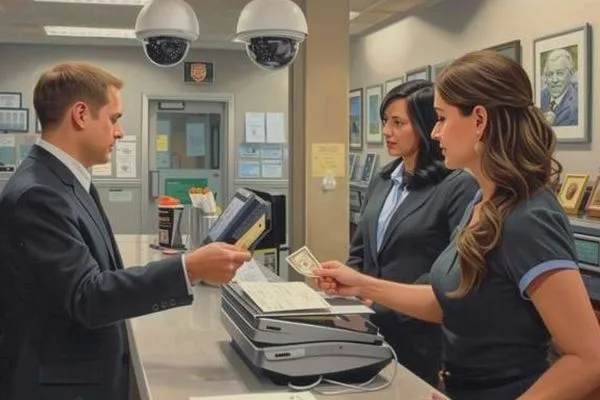
Compliance And Safety Considerations When Handling Exchanged Currency
Currency exchange operates within regulated financial frameworks, and storage practices should align with responsible handling expectations. Depending on the services they offer and applicable requirements, some providers may operate as licensed Money Services Businesses (MSBs) and may be registered with FinCEN. These providers follow applicable regulatory frameworks, including the Bank Secrecy Act (BSA), Anti-Money Laundering (AML) requirements, and customer identification and verification requirements where applicable. These regulatory frameworks apply to financial institutions and service providers rather than to customers storing currency.
Customers benefit from understanding that these frameworks influence how financial institutions process, document, and monitor transactions, even after the exchange is completed. Regulatory oversight information is available from the U.S. Financial Crimes Enforcement Network.
Understand Documentation And Receipts
Keeping transaction receipts is an important step after completing a currency exchange. These records help confirm the details of the transaction and support personal tracking of funds.
Receipts may also be useful if questions arise later about the exchange, especially when preparing for international travel or reconverting unused currency. Providers typically issue documentation as part of standard procedures designed to support transparency and recordkeeping.
Be Aware Of Regulatory Monitoring Practices
Certain transactions may be be subject to reporting, monitoring, or recordkeeping requirements under applicable regulations. Regulated financial institutions may carry out processes such as Currency Transaction Reports (CTR) and Suspicious Activity Reports (SAR) when required by applicable law.
Customers are not involved in these determinations but may be asked to provide accurate and complete information when requested to support applicable legal or operational requirements. Additional compliance framework details are outlined in the Anti-Money Laundering Act of 2020 overview.
Store Currency In Condition-Safe Environments
Physical condition matters when holding foreign cash after a currency exchange. Bills that are torn, defaced, or heavily worn may not be accepted later for spending or reconversion.
Customers may consider keeping currency:
- Flat and unfolded when possible
- Away from moisture, heat, or direct sunlight
- Organized by denomination for easier future use
Maintaining condition helps support usability, especially when preparing to exchange foreign currency again or use it abroad.
Plan For Future Use Or Reconversion
Customers who do not plan to use exchanged currency immediately may consider how and when the funds will be needed. This may include preparing for future international travel or holding foreign cash for later reconversion into local currency.
Exchange rates are not guaranteed and may vary until the transaction is completed, which means holding currency for extended periods may affect the value received at a later time. Publicly available foreign exchange data can be reviewed through the Federal Reserve H.10 reports.
Service availability may vary across different local service branches depending on location and operating conditions.
Conclusion
Safely storing currency after a currency exchange involves a combination of physical security, organization, and awareness of compliance-related considerations. Whether funds are held briefly for travel or longer for future use, customers benefit from keeping currency secure, maintaining its condition, and retaining transaction records. Understanding how regulated frameworks influence handling practices also supports clearer expectations and responsible use of exchange services.
When exchanging or reconverting foreign currency, customers may also consider working with regulated providers that operate under applicable legal and operational requirements. Choosing an appropriate provider and maintaining accurate transaction records can help support a smoother exchange experience.
Educational Disclaimer: This content is provided for general informational purposes only and does not constitute legal, financial, or regulatory advice.
Frequently Asked Questions
How should I store cash after a currency exchange?
Store exchanged currency in a secure, private location where it is protected from loss, theft, and physical damage. Keeping the funds organized can also make them easier to access when needed.
Can I deposit exchanged currency into a bank account?
Some financial institutions may accept foreign currency deposits when permitted under applicable requirements. Availability depends on the provider, account type, and jurisdiction.
Why is it important to keep currency exchange receipts?
Receipts provide a record of the transaction and may be useful for personal recordkeeping, future reconversion, or resolving questions about the exchange.
Does storing currency affect its value later?
The way currency is stored does not determine its exchange value. However, exchange rates may change over time, which can affect the amount received if the currency is exchanged again later.
Will I need identification again when reconverting currency?
Identification may be requested depending on the transaction, the provider’s procedures, and applicable legal or regulatory requirements.

Alvin is a Content and SEO Specialist who creates clear and helpful content about money transfers and payment systems. He focuses on making complex topics easy to understand so readers can learn how these services work in everyday situations.