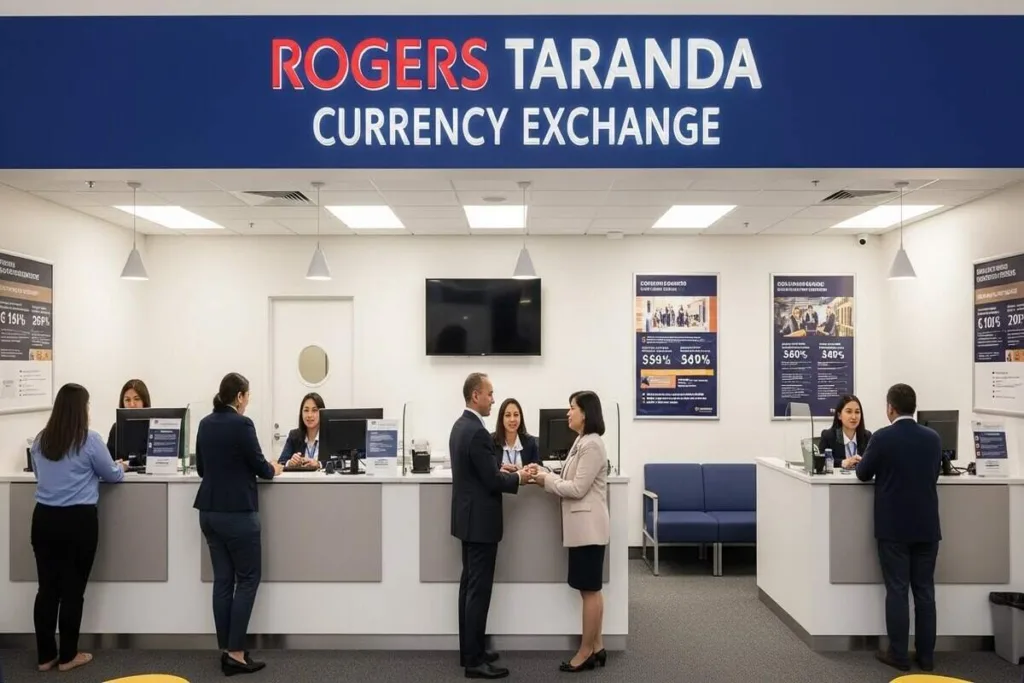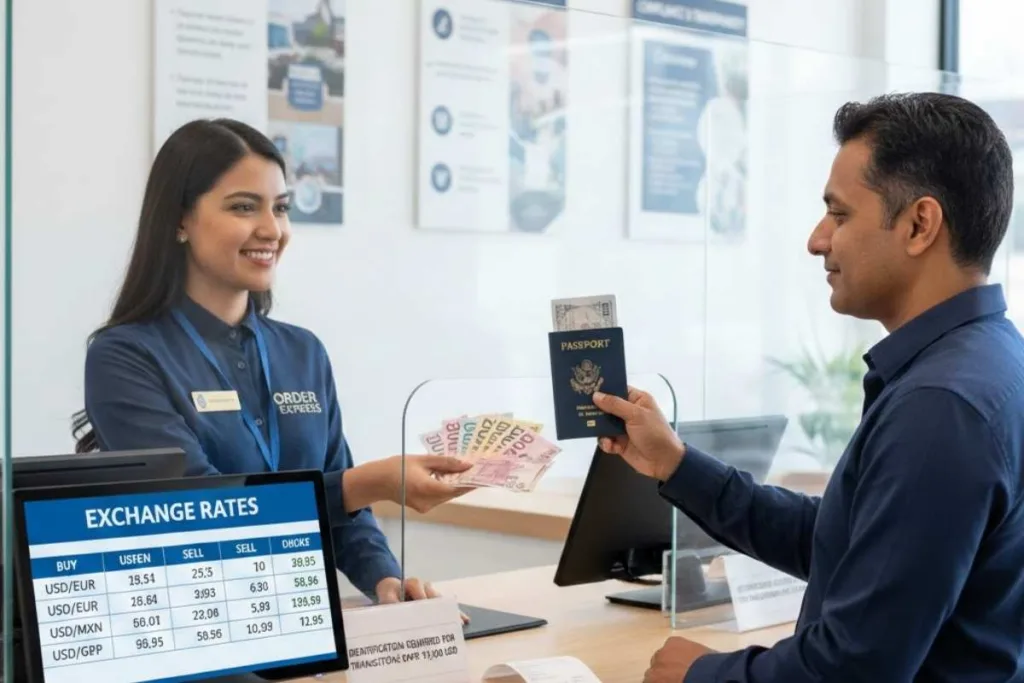
Retail currency exchange is a financial service that allows customers to convert one country’s money into another at licensed, in-person locations. This currency exchange process supports international travel, family remittances and cross-border business payments that require physical foreign cash. Regulated providers follow identification, recordkeeping and reporting standards designed to promote transparency and financial system integrity.
Customers who wish to exchange currency through Order Express can visit a licensed retail location to review current rates and available services.
Customers benefit from understanding how rates are determined, when identification is required and how transaction limits apply to larger exchanges. Clear disclosures and documented transactions help individuals manage foreign currency responsibly. This guide outlines how retail exchange services operate and what practical steps support informed, compliance-aware financial decisions.

How Retail Currency Exchange Works In Regulated Environments
This section explains how currency exchange operates at licensed retail locations and why structured processes protect customers. Understanding how providers calculate rates, verify identity and document transactions helps customers make informed decisions before they convert funds.
What To Bring And What To Expect At A Currency Exchange
Before visiting a retail currency exchange location, customers should prepare basic information and understand how the process typically works. Requirements may vary depending on transaction amount, location and provider policies.
Customers may be asked to bring:
- A valid government-issued photo ID
- The currency they want to exchange
- Basic personal information for recordkeeping (if applicable)
Typical in-store experience includes:
- Reviewing posted exchange rates before the transaction
- Confirming the total amount to receive after conversion
- Receiving a printed receipt with transaction details
In some cases, additional information may be requested based on transaction size, risk factors or applicable regulations. Checking with the provider ahead of time can help avoid delays.
What Currency Exchange Means For Everyday Customers
Currency exchange allows customers to convert one national currency into another at a posted rate determined by market conditions and provider pricing. Most customers use currency exchange to prepare for international travel, convert dollars to pesos for family expenses or buy and sell currency after returning home.
Licensed providers calculate exchange values using market-based references and internal pricing, reflecting broader currency movements observed in publicly available sources such as central bank publications. Customers receive a transaction record that outlines the exchange rate applied, fees if applicable and the total amount delivered. This transparency helps customers understand exchange rate fluctuations and compare options responsibly.
How Exchange Rates Are Determined And Displayed
Exchange rates change throughout the day based on global market supply and demand. Broader valuation trends are also discussed in U.S. Treasury exchange rate analysis. In retail currency exchange, providers post rates so customers can review the conversion before agreeing to exchange foreign currency. Clear rate displays help customers understand how much they will receive and support informed financial decisions.
When reviewing a posted rate, customers should focus on the following steps:
- Compare exchange rates across providers before committing
- Confirm the total foreign amount you will receive
- Ask whether any service fees apply
- Review exchange rate fluctuations if timing is flexible
- Request a printed receipt for documentation
Taking a few minutes to verify rate details reduces confusion and supports accurate budgeting. Transparent displays and clear documentation strengthen trust and improve transaction clarity.
Identification And Transaction Documentation Requirements
Financial institutions are required to verify customer identity and maintain records based on transaction amount, risk considerations and regulatory requirements, which may include thresholds established under federal guidelines. These requirements are established by the Financial Crimes Enforcement Network under FinCEN regulatory guidance and include program standards under 31 CFR 1022.210 of the electronic Code of Federal Regulations. These obligations apply to licensed institutions.
At the retail counter, Customers may be asked to present valid government-issued photo identification depending on transaction amount, risk factors or regulatory requirements. Bringing identification in advance helps avoid delays and ensures the transaction can be completed smoothly.
When Customers Typically Use Retail Currency Services
Customers use currency exchange for practical financial needs that involve physical cash in a foreign denomination. Common scenarios include preparing for international travel, supporting relatives abroad or exchanging leftover currency after returning home.
Retail locations offer immediate access to physical notes, which differs from digital transfer services. For customers who use Order Express for other in-person financial services, currency exchange may be completed during the same visit for convenience.
It is important to distinguish between currency exchange and remittance transfers. Currency exchange involves converting physical cash from one currency to another for immediate use. Remittance services, on the other hand, send funds electronically to a recipient in another country. While both support international financial needs, they serve different purposes and follow different processing methods.

Making Informed Decisions Before You Exchange Funds
This section outlines practical considerations that help customers evaluate when and how to exchange currency. By understanding timing, service options and compliance safeguards, customers can manage foreign currency needs responsibly.
Fees And Spreads: Why Exchange Rates Differ
Retail currency exchange rates may differ between providers due to pricing structures, operational costs and market conditions. The difference between the market rate and the offered rate is often referred to as the spread.
Some providers may include fees within the exchange rate, while others may disclose them separately. Customers should review the total amount they will receive rather than focusing only on the advertised rate. Comparing multiple providers helps ensure better value and transparency.
Common Documents Accepted For ID
Identification requirements vary by provider and transaction details, but commonly accepted forms of ID may include:
- Driver’s license
- State-issued ID card
- Passport
In certain cases, additional documentation may be requested depending on transaction size or regulatory requirements. Customers are encouraged to confirm accepted ID types with the provider before visiting.
Planning Ahead For Travel And International Payments
Currency exchange works best when customers plan ahead rather than waiting until the last moment. Early planning allows customers to monitor exchange rate fluctuations and decide when to exchange foreign currency based on their travel or payment schedule.
Customers seeking broader budgeting education can consult financial tools provided by the Consumer Financial Protection Bureau consumer education portal. Planning in advance reduces stress and supports practical money management.
Comparing Service Models And Transaction Formats
Currency exchange is available through several formats, including retail counters, airport kiosks and certain financial institutions. Each model offers different pricing structures, availability and customer service levels.
Some retail providers also offer additional in-person services, including check cashing or money transfers. Order Express locations may provide multiple services at the same counter. Comparing service formats helps customers align exchange needs with convenience and transparency.
Understanding Transaction Limits And Reporting Thresholds
Under the Bank Secrecy Act, licensed financial institutions must file reports for certain cash transactions that exceed 10,000 dollars in a single business day. Institutions are also required to monitor activity for suspicious patterns and comply with federal reporting standards.
Customers are not responsible for filing these reports. However, when exchanging larger amounts of currency, customers may be asked for additional information as part of the institution’s compliance process. Dividing transactions to avoid reporting requirements is prohibited under federal law. Understanding these rules helps customers approach larger exchanges with clarity and confidence.
Safety, Compliance And Consumer Protection Considerations
Licensed financial institutions are required to maintain compliance programs that include identity verification, transaction monitoring and internal controls designed to detect suspicious activity. For customers, choosing a licensed provider supports a structured transaction environment with documented processes and clear receipts.
Customers should review receipts carefully, confirm amounts before leaving the counter and retain documentation for personal records. When services include remittance transfers or other cross-border features, additional consumer protections may apply under federal rules. Choosing a regulated provider supports safe access to foreign currency within a monitored retail environment.
Key Takeaways
- Currency exchange converts one national currency into another at a posted retail rate.
- Exchange rates fluctuate based on global market conditions and provider pricing.
- Identification may be requested depending on transaction amount and regulatory requirements.
- Transactions above 10,000 dollars in cash may trigger reporting requirements.
- Planning ahead helps customers compare exchange rates and manage travel budgets.
- Licensed providers operate within structured compliance and monitoring frameworks.
FAQs
How can I exchange foreign currency securely?
Use a licensed currency exchange provider that verifies identification and provides clear rate disclosures. Always review the posted rate, confirm the final amount and keep your receipt for records.
Why do currency exchange rates change?
Retail exchange rates reflect global market values plus provider pricing adjustments. Rates change throughout the day based on supply, demand and international currency markets.
When is the best time to exchange currency?
Rates fluctuate daily due to economic conditions and market activity. Monitoring trends in advance allows you to exchange funds when rates align with your travel or payment plans.
Do I need ID to exchange currency?
Government-issued photo identification may be requested depending on transaction amount, risk factors and applicable federal or state requirements. Larger cash transactions may require additional documentation under federal reporting rules.
How can I avoid common currency exchange mistakes?
Avoid waiting until the last minute, failing to compare rates or ignoring transaction limits. Plan ahead, verify documentation requirements and confirm totals before completing the exchange.
How much currency can I exchange at once?
Limits may vary by provider and transaction details. Larger transactions may require additional information or documentation based on regulatory requirements.
Conclusion
Retail currency exchange supports practical money management for travel, family support and cross-border needs. Customers benefit from understanding exchange rates, identification rules and transaction documentation requirements. Clear rate disclosures and structured processes promote transparency in every transaction. Awareness of reporting thresholds helps customers approach larger exchanges responsibly. Planning ahead allows better timing decisions and reduces last-minute financial pressure.
Choosing a licensed provider helps support a properly documented process and access to in-person assistance when needed. Customers may choose to speak with a licensed currency exchange provider, such as Order Express, for additional information about rates and service availability. Reviewing posted rates and keeping receipts supports accurate recordkeeping. Informed preparation helps customers manage foreign currency confidently. Thoughtful decisions keep international financial needs simple and organized.
Customers may also explore additional in-person financial services available at Order Express locations, including money transfers and bill payment solutions.
Educational Disclaimer
This content is for general informational purposes only and does not constitute legal, financial or regulatory advice.

Alvin is a Content and SEO Specialist who creates clear and helpful content about money transfers and payment systems. He focuses on making complex topics easy to understand so readers can learn how these services work in everyday situations.