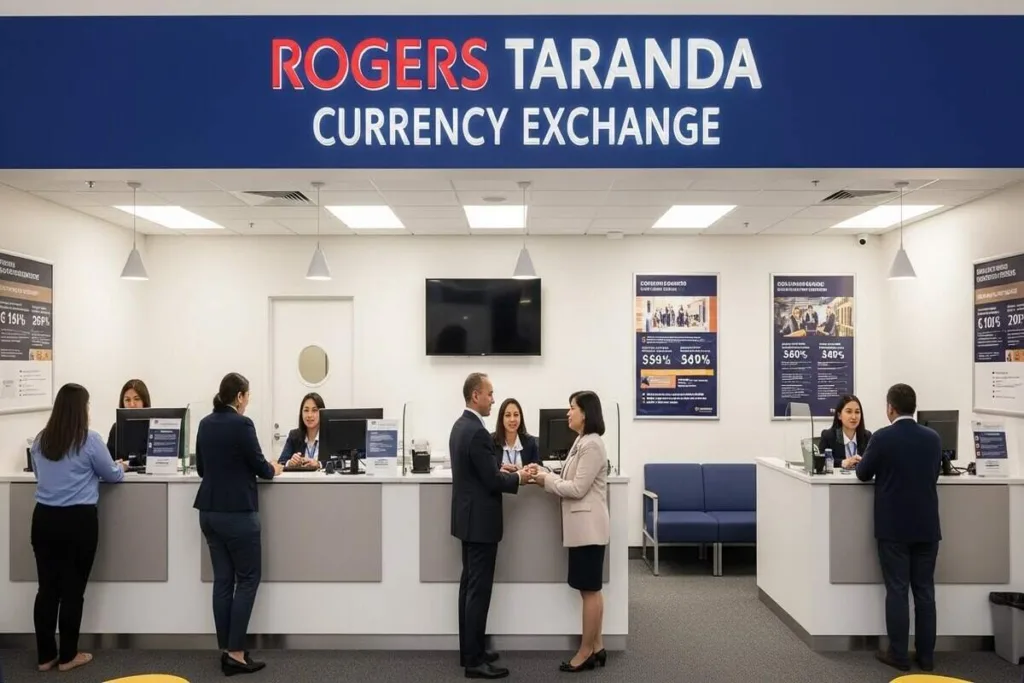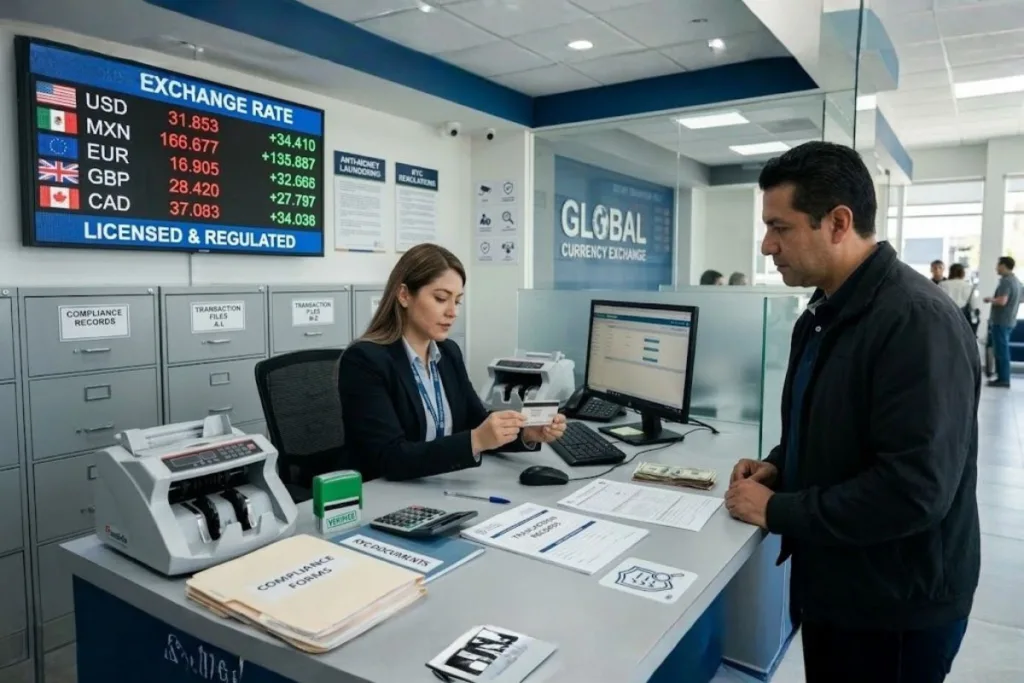
In the United States, ID verification is required for currency exchange because financial institutions and licensed Money Services Businesses (MSBs) must confirm customer identity under the Bank Secrecy Act (BSA) and FinCEN regulations before completing certain transactions. Service providers collect identification to prevent fraud, detect suspicious activity, comply with Currency Transaction Report (CTR) requirements for cash transactions exceeding $10,000, and support Suspicious Activity Report (SAR) monitoring obligations tied to cash movements.
ID is required for currency exchange in the United States when transactions meet regulatory thresholds under the Bank Secrecy Act (BSA) or when suspicious activity monitoring requirements apply under FinCEN regulations. When you exchange currency, you move funds through regulated financial channels that require accountability. Verifying your identity ensures the transaction proceeds securely, transparently and without unnecessary delays.
ID is required for currency exchange in the United States when transactions meet regulatory thresholds under the Bank Secrecy Act (BSA) or when suspicious activity monitoring requirements apply under FinCEN regulations.
For a broader overview of how exchange services operate, review our Currency Exchange Fundamentals For Everyday Transactions guide.

Currency Exchange Is Classified As A Regulated Financial Activity
Currency exchange is classified as a regulated financial activity under federal anti-money laundering frameworks. These rules require businesses to verify customer identity whenever transactions meet specific reporting thresholds, and they operate within broader oversight structures explained in U.S. Treasury exchange rate policy guidance.
Financial Institutions Must Confirm Customer Identity Before Processing Funds
Financial institutions must confirm customer identity before processing funds that involve cash conversion. This requirement applies whether you exchange domestic currency for foreign currency or reverse the transaction.
Providers typically request government issued identification to establish the following details:
- Legal name and current address
- Date of birth
- Identification number and issuing authority
- Expiration date of the identification document
Collecting this information allows the institution to form a reasonable belief about your identity in accordance with Know Your Customer (KYC) and Customer Identification Program (CIP) requirements established under the USA PATRIOT Act and BSA regulations. For transactions that meet applicable regulatory requirements, regulated businesses cannot legally complete qualifying currency exchange transactions without proper identification. As a FinCEN-registered and state-licensed Money Services Business (MSB), Order Express complies with Bank Secrecy Act requirements, FinCEN regulations, and applicable state laws by applying identity verification procedures to currency exchange, money transfer, and related financial services.
Reporting Thresholds Trigger Mandatory Identification Collection
Reporting thresholds trigger mandatory identification collection when transactions reach defined dollar amounts under the Bank Secrecy Act. For example, Currency Transaction Reports (CTR) must be filed for cash transactions exceeding $10,000 in a single business day. Identification may also be required at lower institutional thresholds based on internal risk monitoring policies, service type, jurisdiction within the United States, and defined aggregation periods.
Identification requirements apply to single transactions and aggregated transactions conducted within a defined monitoring period.
If multiple exchanges occur within a defined monitoring period and exceed reporting limits, transactions may be aggregated for review. Once the threshold is met, staff must collect identification before releasing exchanged funds, consistent with transaction monitoring expectations outlined in the FDIC guidance on Currency Transaction Report requirements.
Accurate Records Support Regulatory Monitoring And Audit Requirements
Accurate records support regulatory monitoring and audit requirements imposed on money services businesses. Currency exchange providers must retain transaction records in accordance with Bank Secrecy Act (BSA) recordkeeping requirements and FinCEN regulations, which generally require retention for five years.
Maintained records typically include:
- A copy of the customer identification presented
- Transaction amount and currency types exchanged
- Date, time and location of the exchange
- Any required internal compliance documentation
These records allow regulators to review transactions if suspicious patterns emerge later. Without identification, providers cannot meet documentation standards tied to lawful currency exchange operations.

ID Verification Helps Prevent Fraud And Financial Crime
ID verification helps prevent fraud and financial crime by linking each exchange to a verified individual. Currency exchange involves cash movements that criminals may attempt to disguise through structuring or identity misuse.
Understanding how exchange rates fluctuate can also help customers recognize legitimate transactions, as reflected in Federal Reserve foreign exchange rate data published in the H.10 report.
Verification Reduces The Risk Of Structuring And Identity Misuse
Verification reduces the risk of structuring and identity misuse during repeated exchange transactions. Criminal actors sometimes attempt to divide larger sums into smaller exchanges to avoid CTR reporting thresholds under the Bank Secrecy Act, a practice known as structuring, which is a federal offense under U.S. law.
By requesting identification and monitoring aggregated transactions, providers can detect patterns such as:
- Multiple exchanges just below reporting limits
- Repeated visits within short monitoring periods
- Attempts to alter transactions after identification is requested
These safeguards protect both the business and legitimate customers from exposure to financial crime, reinforcing consumer awareness principles discussed in the FDIC Money Smart financial education program.
Identity Collection Supports Suspicious Activity Monitoring
Identity collection supports suspicious activity monitoring across different service types and locations. When customer information is captured accurately, compliance systems can flag unusual transaction behavior.
Monitoring tools compare transaction frequency, dollar amounts and customer history against defined risk parameters.
If activity appears inconsistent with normal usage, the compliance team reviews the case. This review process depends on reliable identification data gathered at the point of exchange and applies consistently across services such as currency exchange and other financial services offered by Order Express.
Protecting Customers And Businesses Requires Clear Accountability
Protecting customers and businesses requires clear accountability for every currency exchange processed. Identification ensures that funds are traceable to a specific individual rather than remaining anonymous.
This accountability reduces the likelihood of fraud related to stolen funds or counterfeit documents. It also strengthens consumer confidence by demonstrating that providers operate within established financial safeguards, including consumer protections described by the Consumer Financial Protection Bureau.
Key Takeaways
- Currency exchange is a regulated financial service that requires identity verification once reporting thresholds are triggered.
- Providers must collect government issued identification to confirm legal name, address and transaction eligibility.
- Aggregated transactions within monitoring periods can require identification even if individual exchanges appear smaller.
- Accurate identification records support suspicious activity monitoring and long term regulatory record retention obligations.
- ID verification protects customers by reducing fraud, structuring attempts and misuse of anonymous cash exchanges.
Frequently Asked Questions
Q: Do I Need Id For Every Currency Exchange Transaction?
A: You typically need identification when your exchange meets or exceeds defined reporting thresholds. Smaller transactions may not require ID, but aggregated exchanges within monitoring periods can trigger verification requirements.
Q: What Type Of Id Is Accepted For Currency Exchange?
A: Most providers accept a valid government issued photo identification such as a passport or driver license. The identification must be current, unexpired and contain sufficient personal details for verification.
Q: Why Does The Business Record My Identification Details?
A: Providers record identification details to meet regulatory recordkeeping and monitoring obligations tied to cash transactions. These records allow compliance teams to review transactions if suspicious patterns appear later.
Q: What Happens If I Refuse To Provide Identification?
A: If identification is required and you decline to provide it, the provider cannot complete the exchange. Regulated businesses must verify identity before releasing funds that meet reporting thresholds.
Q: Are Multiple Small Exchanges Tracked Together?
A: Yes, compliance systems aggregate exchanges conducted within defined timeframes to monitor reporting thresholds. If the combined total exceeds limits, identification and documentation requirements will apply.
Conclusion
ID verification protects you and the financial system during every currency exchange transaction at licensed service locations. Currency exchange qualifies as a regulated financial activity under U.S. law. Providers must collect, verify, and retain identification when regulatory thresholds or monitoring requirements apply. Aggregated exchanges within defined timeframes may also trigger verification and reporting obligations. These safeguards reduce fraud, discourage structuring and strengthen accountability across regulated exchange environments. When you bring proper identification, your transaction proceeds efficiently without unnecessary compliance delays.
Bring a valid, government-issued photo ID to ensure fast, compliant service at any Order Express location.
Disclaimer: This article provides general informational guidance regarding U.S. financial regulations and does not constitute legal advice. Regulatory requirements may vary by state and are subject to change. Customers should consult applicable laws or a qualified professional for specific regulatory guidance.

John is a Content & SEO Specialist who enjoys breaking down complex financial topics, like cross-border payments and money transfers, into content that’s easy to understand. He focuses on creating practical, search-driven content that helps people find answers and make informed decisions.