
Currency exchange completion time typically ranges from minutes to several business days depending on processing method and service type. Understanding what drives these timelines helps you plan transactions effectively and avoid unexpected delays during urgent cross-border payment needs.
Processing times may also vary when identity verification or regulatory review is required under applicable federal or state laws. These requirements are separate from service provider processing speed and are designed to support financial system integrity.
For a broader overview, explore our guide on retail currency exchange services for consumers to support your transaction planning.

How Processing Methods Shape Currency Exchange Completion Time
The processing method plays a central role in determining how quickly a currency exchange transaction is completed across different platforms and services. Each method operates through distinct systems that influence speed, from automated digital networks to traditional banking workflows and manual processing environments. These differences directly affect how long funds take to convert and become available, especially when verification steps and settlement procedures are involved. Understanding how each approach works helps users choose the most efficient option based on urgency, transaction size and preferred level of convenience.
It is important to note that some verification steps may be required by financial institutions to comply with federal reporting or identification requirements. These regulatory obligations are independent of internal operational workflows.
Real-Time Exchanges Complete Almost Instantly Through Digital Platforms
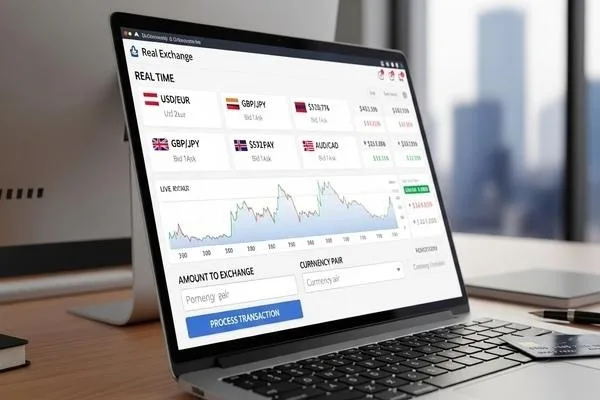
Real-time currency exchange processes execute within minutes using automated systems that match buyers and sellers through digital liquidity networks. These platforms rely on pre-funded accounts and automated verification checks to eliminate manual intervention and significantly reduce processing delays. For everyday users, this means faster transactions when using online services designed specifically for immediate cross-border currency conversion needs. However, real-time availability may still be subject to identity verification or legally required transaction review depending on the amount and nature of the transaction.
Bank-Based Exchanges Follow Standard Clearing Timelines
Traditional bank currency exchange processes typically require one to three business days due to clearing systems and internal approval workflows. Banks process transactions through intermediary networks, which introduce delays because each institution must verify and settle the transfer sequentially. This method remains reliable but slower, especially when multiple financial institutions participate in completing the currency exchange transaction.
For reference on how exchange rates are tracked across institutions, you can review the Federal Reserve H.10 foreign exchange rate data, which reflects how currency values move across global markets.
Manual Or In-Person Exchanges Depend On Operational Processing Speed
Manual or in-person currency exchange depends heavily on how quickly staff can process transactions at a physical location. Processing speed varies based on available personnel, internal workflows and the immediate availability of the requested currency. While some exchanges are completed on the spot, others may require additional time depending on operational conditions.
Several key factors influence how fast in-person currency exchange transactions are completed:
- Staff processing efficiency and workload at the branch
- Availability of the requested currency on-site
- Internal verification and validation procedures
- Daily transaction volume and customer demand
- Branch operating hours and service cut-off times
Larger transactions or requests involving less common currencies often take longer due to sourcing and additional validation requirements. These delays can affect when funds become available, especially during peak hours or limited operating schedules. Planning your visit ahead of time and confirming currency availability through nearby branch locations can help reduce waiting time and ensure a smoother currency exchange experience.
How Transaction Complexity Affects Currency Exchange Processing Time
Currency exchange processing time often depends on how complex the transaction is, especially when multiple factors come into play. Elements such as cross-border transfers, currency availability and transaction size can introduce additional verification steps and logistical requirements that extend completion timelines. Understanding these factors helps set realistic expectations and allows you to choose the most efficient approach when preparing a currency exchange transaction.
Cross-Border Transfers Introduce Settlement And Verification Delays
Cross-border currency exchange transactions may involve additional settlement coordination between financial institutions. In some cases, verification requirements are applied to meet federal or state regulatory standards, which are separate from internal service provider policies. Each intermediary involved in the transaction must confirm details before passing funds forward, which extends the total completion timeline. These processes protect transaction integrity but contribute to longer exchange durations compared with domestic or simplified conversion methods.
Financial institutions must also follow compliance frameworks outlined by agencies such as the Financial Crimes Enforcement Network guidance hub, which governs transaction monitoring and reporting obligations.
Currency Availability Impacts How Quickly Exchanges Finalize
Currency exchange speed is heavily influenced by how easily a currency can be accessed in the market. High-liquidity currencies are processed faster because they are widely traded and readily available across global financial networks. In contrast, less common currencies may require additional steps before the transaction can be completed.
Here are the key factors to consider:
- Widely traded currencies are processed faster due to consistent demand and stable market availability
- Less frequently exchanged currencies may require sourcing from external providers or partner networks
- Restricted or regional currencies often involve additional processing due to limited financial infrastructure
When a currency is not immediately available, service providers must locate it through external channels, which can extend the processing time. This is especially common when dealing with emerging market currencies or regions with limited access to global financial systems. Understanding this dynamic allows you to better anticipate delays and choose currencies or timing that support faster transaction completion.
For additional consumer financial education, you can explore tools from the CFPB consumer finance resources to better understand financial transactions.
Transaction Size And Verification Requirements Can Extend Processing Time
Larger currency exchange transactions often require enhanced verification checks, which can add additional time before processing completes successfully. Some verification procedures are part of internal risk management practices, while others may be required under federal reporting or identification regulations. When regulatory review is triggered, completion timelines may extend beyond standard processing expectations. For users preparing transactions, understanding these requirements helps manage expectations and avoid time-sensitive complications.
For broader regulatory context, the U.S. Treasury exchange rate analysis provides insight into how currency values are monitored at a national level.
Key Takeaways
- Currency exchange completion time depends mainly on the processing method, ranging from instant digital transfers to multi-day bank settlements.
- Real-time exchange platforms complete transactions quickly by removing manual steps and using automated verification and liquidity matching systems.
- Transaction complexity, including cross-border transfers and currency availability, directly increases processing time through additional verification and sourcing requirements.
- Larger transactions often take longer due to stricter verification processes designed to ensure security and compliance during currency conversion.
- Planning ahead and choosing appropriate exchange methods helps reduce delays and ensures timely completion for urgent financial transactions.
Conclusion
Currency exchange timelines vary primarily based on processing method and transaction complexity, making preparation essential for timely financial decisions. Choosing the right exchange method ensures faster completion while understanding verification requirements helps avoid unnecessary processing delays during transactions. When timing matters, selecting efficient exchange services can significantly improve your ability to manage international payments confidently and effectively.
Certain transactions may be subject to regulatory reporting, identification requirements, or review under applicable federal or state laws. These legal obligations operate independently from standard service processing times and may affect overall completion speed.
Make your next currency exchange transaction today with a trusted service designed to deliver speed, reliability and seamless global payment experiences.
Disclaimer: Processing times may vary depending on service provider policies, operational conditions and specific transaction requirements.
FAQs
How fast is online currency exchange compared with banks?
Online currency exchange usually completes within minutes, while bank exchanges typically take one to three business days.
Why do some currency exchanges take longer than others?
Processing time varies based on transaction complexity, currency availability, verification requirements and the exchange method used.
Can currency exchange be completed instantly every time?
Instant exchange depends on using real-time platforms, available liquidity and minimal verification requirements during the transaction.
Does the type of currency affect processing speed?
Yes, commonly traded currencies process faster than less liquid or restricted currencies requiring additional sourcing time.
Do larger transactions take longer to process?
Yes, larger transactions often require additional verification checks, which can extend the overall processing time.

John is a Content & SEO Specialist who enjoys breaking down complex financial topics, like cross-border payments and money transfers, into content that’s easy to understand. He focuses on creating practical, search-driven content that helps people find answers and make informed decisions.