Access to foreign currency remains an important part of international travel and cross-border spending. A currency exchange service allows individuals to convert one national currency into another through retail establishments that handle cash transactions. Readers looking for broader retail guidance can explore retail currency exchange guidance that explains practical money management when preparing for international travel.
Retail exchange matters because travelers, temporary workers, and international visitors often need immediate local money for transportation, small purchases, and early trip expenses. Many retail currency exchange providers operate under applicable financial regulations designed to support secure and transparent transactions for consumers. Licensed or properly registered providers may also follow identification, recordkeeping, and transaction monitoring requirements depending on the location and transaction amount. This article outlines how retail exchange works in everyday situations and explains the practical factors that make these services convenient for consumers preparing for international travel.

Everyday Situations Where Retail Exchange Helps Travelers
Retail exchange services support travelers by providing accessible options for converting funds before leaving home or shortly after arriving abroad. When someone prepares for international travel, having the correct local currency simplifies early expenses like taxis, small shops, and tipping. Retail providers help bridge this need by offering quick conversion of common travel currencies.
Many travelers compare rates and service options before converting money. Understanding how these services work allows individuals to evaluate exchange locations, review rate differences, and decide when to convert cash based on their travel plans and spending expectations.
Quick Access To Local Cash For Travel Expenses
Retail locations provide fast access to physical currency, which remains essential for many international purchases. A traveler may use a currency exchange provider before departure to obtain euros, pesos, or other foreign notes for immediate use after landing.
This convenience helps travelers avoid searching for financial services in unfamiliar locations. For example, a traveler arriving in Mexico can pay for airport transportation or local food vendors without waiting to locate an ATM or bank branch.
Having cash in advance also reduces early travel stress. Small businesses, local transportation operators, and street markets frequently prefer cash payments, making early preparation practical for smooth travel experiences. In many countries, currency exchange providers operate under applicable anti-money laundering (AML) and financial reporting regulations that may require customer identification, transaction recordkeeping, and monitoring procedures for certain exchanges. These measures help support secure and compliant financial transactions for travelers and consumers.
Simple In-Person Transactions For First-Time Travelers
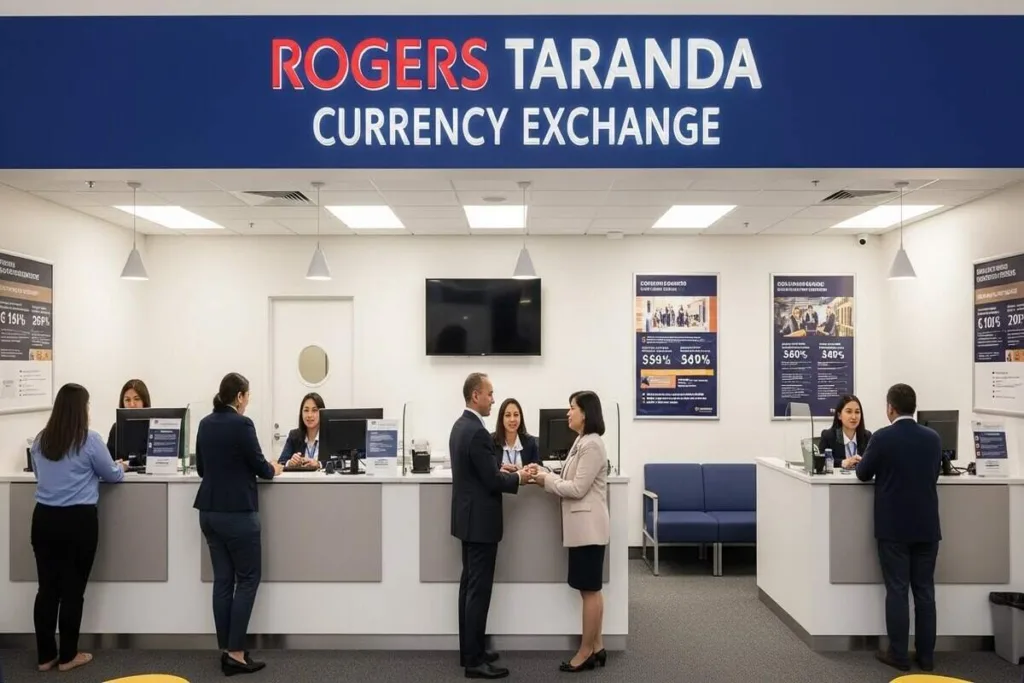
Retail counters offer straightforward, face-to-face assistance that many first-time international travelers appreciate. A currency exchange location allows customers to present identification, request a specific currency, and complete the conversion within minutes.
This in-person interaction helps travelers confirm exchange totals and understand the amount they will receive before completing the transaction. Many people prefer this transparency compared with automated kiosks or unfamiliar banking systems abroad.
Travelers preparing for international travel often find it easier to ask questions directly at a counter. Staff can explain rate calculations, available denominations, and how to safely store foreign cash during travel.
Consumers also benefit from transparent transaction procedures during in-person exchanges. Many retail currency exchange providers issue transaction receipts that help customers review exchange amounts, conversion rates, and transaction details for personal recordkeeping or future currency reconversion needs.
Comparing Exchange Rates Before Converting Money
Consumers benefit from comparing rates before completing a transaction. A currency exchange provider may adjust rates during the day depending on global market fluctuations and supply of certain currencies. Financial institutions and analysts often reference international currency data such as the Federal Reserve H.10 exchange rate releases when tracking movements among major currencies used in global travel and trade.
Travelers often review current rates online or at several exchange counters before deciding where to convert funds. Even small differences in exchange pricing can influence the final amount received when converting larger sums. Reviewing exchange practices and pricing explanations helps consumers recognize how exchange margins, service fees, and market rates interact.
Travel Preparation Checklist Before Exchanging Currency
Travelers often prepare a simple checklist before visiting a retail currency exchange location to avoid common mistakes and better manage travel spending. Travelers commonly review several simple steps to avoid mistakes during conversion.
- Confirm the destination currency needed for travel
- Review current exchange rate trends before converting funds
- Decide how much cash is needed for early travel expenses
- Keep receipts for possible reconversion after returning home
These preparation steps allow travelers to convert cash securely while maintaining awareness of how exchange rates may change during the trip.
Factors That Make Retail Exchange Locations Practical
Retail exchange services remain popular because they combine accessibility, immediate transactions, and predictable procedures. Travelers often visit locations in airports, shopping areas, or financial districts where currency conversion occurs quickly without scheduling appointments. Individuals comparing available currency exchange services often review their options before converting funds.
Convenience also comes from the ability to exchange many global currencies in one location. This flexibility helps travelers heading to different destinations or passing through multiple countries during a single trip.
Convenient Locations Near Travel Hubs
Retail exchange counters frequently operate in airports, tourist districts, and city centers. A currency exchange service located near departure terminals allows travelers to convert funds shortly before boarding an international flight.
This accessibility reduces the need to search for banking services after arrival. Travelers often prefer handling currency preparation at familiar locations before entering a new country. Many consumers visit nearby service branch locations when they want to exchange funds in person.
In busy travel hubs, extended operating hours also support late departures and early arrivals. Consumers can exchange funds even when traditional banks remain closed.
Immediate Transactions Without Bank Accounts
Retail providers allow travelers to convert cash without opening accounts or establishing long-term banking relationships. A currency exchange transaction usually requires basic identification and payment in local currency. Identification requirements may vary by location because financial service providers must follow applicable anti-money laundering and financial reporting regulations.
This accessibility benefits visitors, temporary workers, and international tourists who may not qualify for local banking services. The transaction process typically involves reviewing the exchange rate, confirming the amount, and completing the conversion immediately.
Because the exchange occurs directly at the counter, travelers receive physical foreign currency right away. This immediate availability makes it easier to handle transportation, lodging deposits, and small purchases abroad.
Understanding Exchange Rate Differences
Exchange rates fluctuate throughout the day due to global financial markets. A currency exchange provider sets retail conversion rates based on these fluctuations while also covering operational costs. Government publications and economic research from sources such as the U.S. Treasury help explain how global economic conditions influence currency values and international exchange markets.
Travelers often notice differences between rates shown in financial news and those offered at retail counters. The retail rate reflects market movements plus a margin used to operate the service.
Consumers who monitor rate changes can sometimes convert funds at more favorable moments. Reviewing exchange rates over several days before traveling helps individuals decide when to exchange money.
Transparent pricing and clear exchange disclosures help consumers make informed financial decisions before completing a transaction. Many travelers compare rates, posted fees, and provider policies to better understand the total conversion cost before exchanging money.
When A Simple List Helps Evaluate Providers
Travelers evaluating exchange locations often compare a few practical features before converting funds through a currency exchange provider.
- Availability of the specific foreign currency required
- Posted exchange rates and any visible service fees
- Business reputation and transparency of transactions
- Convenient hours near travel or transportation centers
Reviewing these elements helps travelers choose providers that meet their practical needs while preparing for international spending. Consumers seeking broader financial literacy resources may also explore programs such as the FDIC Money Smart financial education program, which supports informed financial decision making.
Retail Currency Exchange Services And Consumer Confidence
Retail currency exchange services continue to support international travelers by providing accessible locations, transparent transactions, and immediate access to foreign cash. Many established providers operate across multiple service locations and follow applicable financial regulations designed to support secure consumer transactions. Consumers often prefer working with regulated financial service providers that maintain clear exchange procedures, provide transaction records, and support responsible currency exchange practices.
Conclusion
Retail currency exchange services provide practical support for travelers who need access to foreign cash before or during international trips. These services simplify the process of converting money, allowing consumers to handle transportation, lodging, and daily purchases without delay.
Convenient locations, quick in-person transactions, and the ability to compare exchange rates make retail exchange a reliable option for many travelers. By understanding how exchange services operate, reviewing exchange rates carefully, and preparing in advance, consumers can manage travel funds more confidently while maintaining awareness of changing currency values and transaction costs.
Travelers often choose licensed or properly registered retail currency exchange providers so that transactions are handled through regulated financial service businesses operating within established consumer protection and financial compliance frameworks.
Educational Disclaimer: This content is provided for general informational and educational purposes only. It does not constitute legal, financial, compliance, or regulatory advice. Currency exchange requirements, identification procedures, and financial reporting obligations may vary depending on location, transaction amount, and applicable regulations.
Frequently Asked Questions
What Is Retail Currency Exchange?
Retail currency exchange allows individuals to convert one national currency into another through businesses that provide foreign currency services to travelers and international consumers.
When Should Travelers Convert Currency Before A Trip?
Many travelers convert currency shortly before departure after reviewing exchange rates and estimating initial travel expenses.
Can Currency Exchange Rates Change Daily?
Yes, exchange rates change frequently due to global financial markets, which can influence retail conversion prices offered to consumers.
Is It Possible To Exchange Leftover Foreign Currency After Returning Home?
Many exchange providers allow travelers to sell unused foreign cash and convert it back into their home currency.
Why Do Retail Exchange Rates Differ From Market Rates?
Retail exchange rates may include service margins reflecting operational costs and real-time currency market fluctuations.
How Can Travelers Find Currency Exchange Services Near Them?
Travelers often search for retail currency exchange services near airports, transportation centers, shopping districts, or international travel hubs when preparing for overseas trips.
Are Currency Exchange Providers Required To Verify Identification?
Many licensed or regulated currency exchange providers may request identification for certain transactions to comply with applicable financial regulations and consumer protection requirements.
Why Do Travelers Use Retail Currency Exchange Services?
Many travelers use retail currency exchange services because they provide quick access to foreign cash, convenient physical locations, and immediate in-person transactions before international travel.

Alvin is a Content and SEO Specialist who creates clear and helpful content about money transfers and payment systems. He focuses on making complex topics easy to understand so readers can learn how these services work in everyday situations.