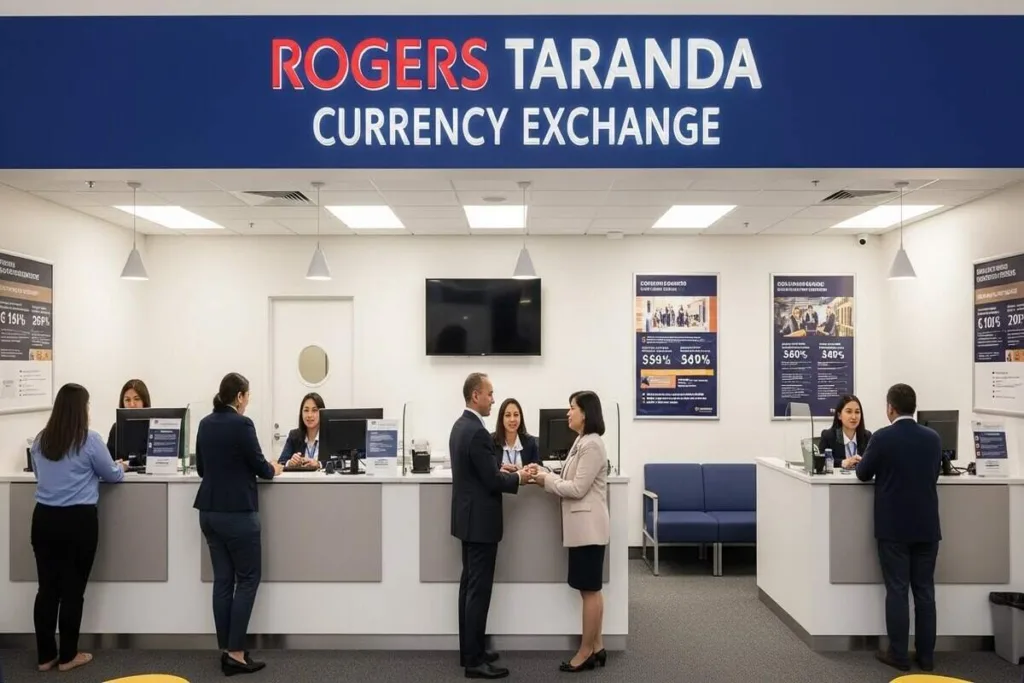
Currency exchange services allow individuals to convert one country’s physical money into another using regulated financial providers that follow defined procedures. Currency exchange services are provided by registered Money Services Businesses (MSBs) that comply with applicable regulatory requirements. These services are essential for international travel, business transactions, and managing cross-border financial needs where foreign cash must be usable and accurately valued. Reviewing practical guidance on retail currency exchange services can help readers better understand how structured exchange services support international transactions.
By understanding how supply and demand influence exchange rates, readers can better interpret rate fluctuations and observe how exchange values may change before converting funds. This article provides practical guidance to help individuals approach transactions with realistic expectations, improved preparation, and awareness of how regulated providers apply current market conditions.

How Supply And Demand Influence Exchange Rates In Practice
Supply and demand determine how currencies are priced relative to one another in global markets. When demand for a currency rises, its value typically increases, while higher supply can reduce its relative worth. These movements affect how much customers receive when converting funds. Understanding these dynamics can help explain why exchange rates fluctuate before a transaction is completed.
These market forces operate continuously and are reflected in rates offered by licensed currency exchange providers. Customers may review publicly available data such as the Federal Reserve H.10 exchange rate reports to observe how currency values change over time. While customers cannot control exchange movements, they can observe trends and prepare accordingly. This awareness provides context for understanding exchange rate changes when exchanging funds for travel, international purchases, or financial obligations abroad.
Why Currency Demand Changes Across Global Markets
Currency exchange rates rise when demand for a currency increases due to trade, tourism, or investment activity. For example, travelers converting dollars to pesos may see different rates depending on seasonal demand shifts in destination countries. Strong demand often reflects economic activity, which can influence how currencies are valued internationally.
Currency demand fluctuates daily across global markets. Reviewing exchange rate trends using resources such as the U.S. Treasury exchange rate analysis can help provide additional context. Licensed providers present current rates at the time of transaction, reflecting real market conditions rather than fixed pricing. This structure supports transparency while reinforcing that rates are shaped externally, not negotiated at the counter.
How Currency Supply Affects Exchange Value Outcomes
Currency exchange values decline when supply exceeds demand, meaning more of a currency circulates relative to its need. This situation can occur when economies issue more currency or when international demand decreases. As a result, customers may receive less foreign currency for the same amount exchanged.
Understanding supply conditions helps customers interpret rate differences across time rather than assuming inconsistencies between providers. Exchange rates reflect broader financial systems, not individual service decisions. Timing differences may affect outcomes, particularly when exchanges are completed close to travel or payment deadlines. Providers calculate rates based on available market data, ensuring transactions follow structured and consistent pricing aligned with financial service standards.
Real World Example Of Exchange Rate Fluctuations
Currency exchange outcomes vary daily because supply and demand shift continuously across global markets. A traveler preparing for international travel may notice that exchange rates change between planning and departure. These differences often result from economic updates, seasonal travel demand, or geopolitical developments.
Exchange rates may be observed over several days before a transaction takes place. Some customers choose to monitor trends over time to better understand how rates fluctuate under changing market conditions. Licensed providers apply current rates at the moment of exchange, reinforcing the importance of preparation. Understanding this variability supports better decisions when converting funds for overseas expenses or travel-related needs.
Key Factors That Influence Currency Supply And Demand
Currency exchange rates respond to multiple external factors that influence supply and demand across financial markets. These factors operate simultaneously and contribute to ongoing rate changes seen by customers.
Common influencing factors include:
- International trade activity and import-export demand
- Interest rate changes set by central banks
- Tourism patterns and seasonal travel demand
- Political or economic stability in specific regions
These factors help explain why exchange rates fluctuate rather than remaining fixed. These factors also relate to how exchange values are presented based on changing market conditions.

How To Use Supply And Demand Knowledge When Exchanging Currency
Understanding supply and demand helps explain how exchange rates change over time. While individuals cannot influence market rates, factors such as timing and provider differences may affect transaction outcomes. This context can help explain why exchange values differ from expectations.
This approach aligns with how regulated services operate, where transparency and accuracy depend on current market conditions. Customers who understand rate movement can focus on preparation rather than assumptions. This provides additional context when interpreting exchange rate differences for travel or international financial needs.
When Timing Matters For Currency Exchange Decisions
Currency exchange timing affects how much value customers receive because rates change throughout the day and across different periods. Exchange rate trends may be observed over time instead of completing transactions under time constraints such as travel or urgent payments.
Exchange rates may vary over several days, and changes can occur during periods of higher demand. While exact prediction is not possible, preparation reduces uncertainty. Licensed providers display current rates clearly, allowing customers to review and confirm details before completing transactions. This structured approach supports transparency and aligns with standard financial service practices.
Choosing The Right Exchange Method Based On Market Conditions
Currency exchange decisions depend partly on how and where customers choose to convert funds. In-person services, banks, and digital platforms may reflect similar market rates but differ in access, timing, and service structure.
Customers exploring available currency exchange services can better understand how different options align with their needs. This helps match the exchange method with personal preferences such as convenience, timing, or transaction clarity. Using a regulated provider means the exchange process follows standardized procedures for documentation, transaction handling, and identity verification requirements where applicable
Preparing Funds Before Converting Currency
Currency exchange processes may be more straightforward when funds and expectations are prepared before visiting a provider. In many cases, preparation may help reduce delays caused by avoidable issues during the transaction process.
Helpful preparation steps include:
- Confirming the type and condition of foreign currency
- Checking current exchange rates before arrival
- Bringing valid identification when required under applicable verification procedures
- Organizing funds by denomination for faster review
These steps support smoother service and align with how regulated providers review and process transactions. Preparation does not change exchange rates but helps ensure accurate handling and fewer complications during the transaction process.
Understanding Rate Transparency And Provider Responsibilities
Currency exchange services operate under regulatory frameworks that emphasize transparency, documentation, and consistent handling practices. Providers must present exchange details clearly so customers can review information before completing transactions.
Rates are influenced by ongoing exchange rate movements, although final pricing may vary between providers based on timing, service structure, or applied fees. Customers should expect structured processes, including verification and receipt issuance. These practices are part of general financial service standards that focus on transparency and accurate transaction handling. Providers such as Order Express operate within these regulatory frameworks to support structured and compliant currency exchange services. Understanding this structure helps customers interpret how exchange services present rates and process transactions.
Customers looking for in-person assistance may also review available currency exchange branch locations to find accessible service points when preparing to exchange funds.
Conclusion
Supply and demand shape currency exchange values by determining how currencies are priced in global markets. Higher demand increases value, while greater supply can reduce it, directly affecting how much customers receive when converting funds. Understanding these principles helps individuals prepare for exchange timing, compare foreign currency exchange options, and interpret currency exchange rate fluctuations more clearly.
Monitoring trends and preparing in advance can help individuals better understand how exchange rates may change over time. Recognizing that rates reflect broader market conditions supports more informed decision-making for travel and international expenses.
Educational Disclaimer: This content is provided for general informational purposes only and does not constitute legal, financial, or regulatory advice.
Frequently Asked Questions
What causes foreign currency exchange rates to change daily?
Exchange rates change daily due to shifts in global supply, demand, economic data, and international market activity.
Does higher demand always increase a currency’s value?
Higher demand generally increases value, but other factors like supply and economic conditions also influence outcomes.
How do market conditions affect foreign currency exchange timing?
The timing can vary depending on market conditions, and exchange rates may change over short periods.
Do all providers offer the same exchange rates?
Most providers reflect market rates, but slight differences may occur due to timing, service structure, or operational factors.
Why do exchange rates differ from what I see online?
Displayed online rates may not reflect real-time transactional pricing, which includes current market conditions and service factors.

Alvin is a Content and SEO Specialist who creates clear and helpful content about money transfers and payment systems. He focuses on making complex topics easy to understand so readers can learn how these services work in everyday situations.