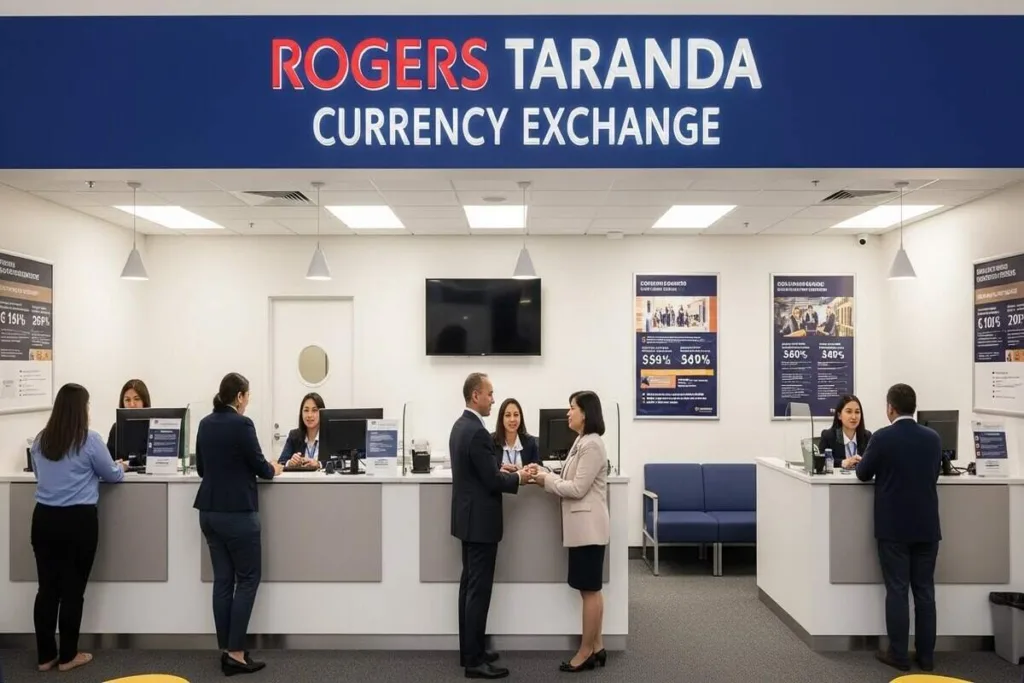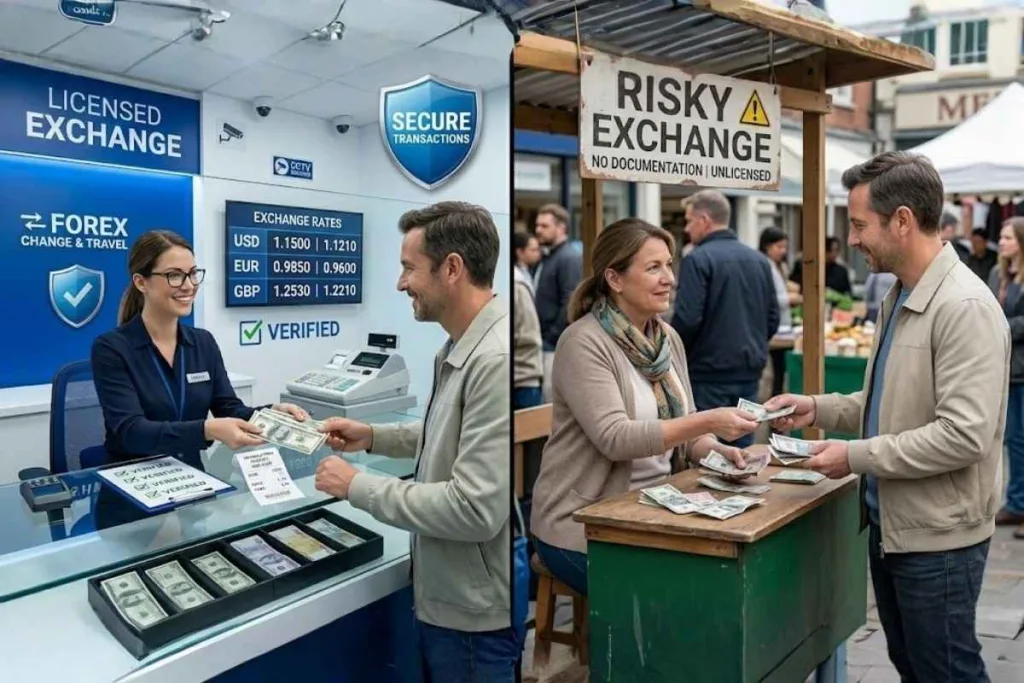
Retail currency exchange is generally safer than informal trading because it delivers transparent pricing and documented transactions. When operated by properly licensed providers, retail exchanges follow structured verification processes and secure handling standards designed to help reduce preventable financial risk.
They operate under federal and state regulations as Money Services Businesses (MSBs), including compliance with Financial Crimes Enforcement Network (FinCEN) requirements, Anti-Money Laundering (AML) procedures, and the Bank Secrecy Act (BSA). These regulatory frameworks are designed to promote transparency, recordkeeping, and consumer protection within the financial system.
People preparing to exchange money often compare convenience, speed and perceived cost savings. However, safety depends less on speed and more on structural protections built into the transaction process. Informal trading usually occurs without standardized documentation, identity checks or recorded receipts. That absence increases exposure to counterfeit currency, incorrect rates and unrecoverable losses.
Licensed currency exchange providers operate within defined procedures designed to support regulatory compliance and consumer protection. These procedures create two primary safety mechanisms that directly reduce transactional uncertainty.
For a broader overview of how structured exchanges work in daily situations, review our guide to Currency Exchange Fundamentals For Everyday Transactions.
Transparent Pricing And Documented Transactions Help Reduce Financial Risk
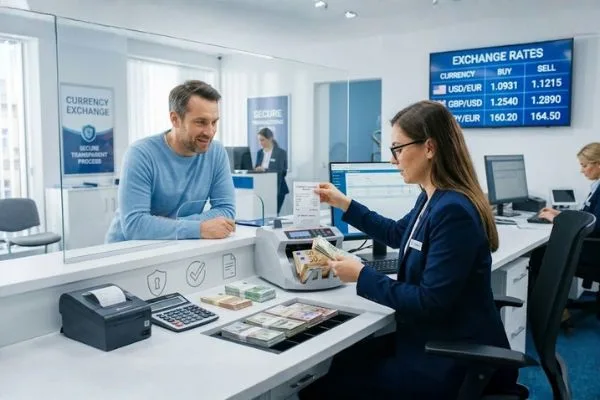
Transparent pricing and documented transactions reduce financial risk by making every exchange verifiable and traceable. Retail currency exchange locations clearly display rates and provide proof of each completed transaction.
Posted Exchange Rates Create Immediate Price Clarity
Posted exchange rates create immediate price clarity before any money changes hands. Customers can review the rate, calculate totals and confirm amounts before committing to the exchange.
This transparency aligns with publicly available benchmarks, including Federal Reserve foreign exchange rate data, which helps consumers understand broader currency exchange rate movement. When rates appear publicly and consistently, customers maintain control over their transaction decisions.
Visible rates allow customers to verify calculations independently before authorizing payment.
Retail counters also calculate the converted amount in front of the customer. That real time confirmation eliminates guesswork and reduces disputes about final payout totals.
Receipts And Records Provide Transaction Proof
Receipts and transaction records provide documented proof that the exchange occurred at a specific rate. This documentation protects customers if discrepancies arise after leaving the location.
Consumer education resources, such as the FDIC Money Smart financial education program, emphasize the importance of written records when handling financial transactions. Without documentation, customers cannot easily demonstrate what rate or amount was originally provided.
Retail providers issue printed receipts showing the rate, original amount and converted total. These records create accountability and support dispute resolution if errors occur.
Written confirmation transforms a verbal agreement into verifiable evidence.
Transaction records also help customers track travel expenses or reconcile business reimbursements later. Customers who need to send funds abroad may also review secure options through our Money Transfer services when documented processing matters.
Standardized Counting Procedures Prevent Errors
Standardized counting procedures prevent mathematical errors during currency handling. Retail staff follow consistent counting steps that minimize accidental shortages or overpayments.
Customers observe the counting process directly at the counter. This visibility reinforces confidence that the received amount matches the documented total.
In informal settings, counting may occur quickly or out of sight. That lack of structure increases the likelihood of unnoticed discrepancies.
Retail environments often use bill counters or structured manual verification methods. These procedures reduce human error and protect both parties during the exchange.
Structured counting reduces unintentional loss by confirming totals through consistent verification steps.
Together, transparent pricing, written documentation and standardized counting create a verifiable transaction framework. That framework directly limits ambiguity, which remains the primary risk in informal trading.
Real-Life Example: Retail vs Informal Exchange
Consider two scenarios:
- A traveler exchanges $1,000 at a licensed retail currency exchange location. The rate is posted clearly, the total is calculated in front of the customer, identification is requested if required by law, and a printed receipt documents the transaction.
- Another individual exchanges $1,000 informally on the street. No rate is publicly displayed, no receipt is issued, and no documentation exists to verify the transaction if the amount is incorrect or counterfeit currency is discovered later.
In the first scenario, the transaction is traceable and documented. In the second, recovery options are limited. The structural difference lies in regulation, documentation, and accountability.
Retail currency exchange services are commonly used by international travelers, immigrants sending money to family members abroad, and small businesses managing cross-border payments. For these groups, transaction clarity, documentation, and regulatory compliance can be especially important when reconciling travel expenses, supporting family remittances, or maintaining business financial records.
Identity Verification And Secure Handling Help Protect Physical Funds
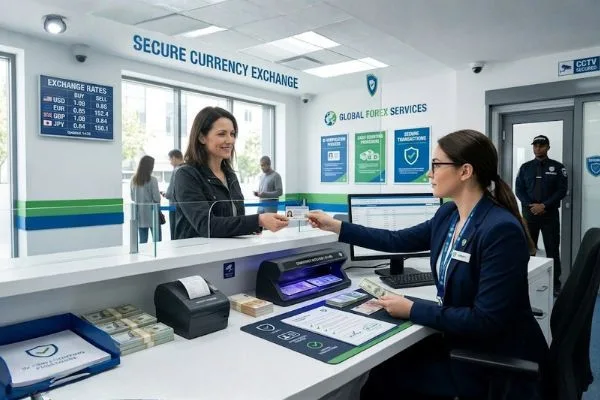
Identity verification and secure handling protect physical funds by reducing fraud and counterfeit exposure. Retail currency exchange providers apply controlled processes that informal traders typically ignore.
Identity Checks Deter Fraudulent Activity
Identity checks deter fraudulent activity by confirming that parties involved in the exchange are legitimate. Retail providers are required to request identification for certain transactions under federal and state regulatory thresholds. These requirements support compliance with the Bank Secrecy Act (BSA) and Anti-Money Laundering (AML) laws designed to prevent fraud and financial crime.
Government oversight bodies, including the Financial Crimes Enforcement Network, publish guidance explaining why identity procedures reduce misuse within financial environments. Informal trading environments rarely implement structured identity confirmation steps.
When identification aligns with the transaction record, accountability increases significantly. Customers benefit because verified exchanges reduce the likelihood of criminal interference.
Verified identity connects the transaction to a traceable participant.
For everyday travelers, this process may feel procedural but it increases overall safety. Structured verification protects both customers and exchange providers from preventable fraud risks.
Controlled Cash Handling Reduces Counterfeit Risk
Controlled cash handling reduces counterfeit risk through inspection procedures and trained staff oversight. Retail providers examine notes for authenticity before finalizing the exchange.
Staff members recognize common indicators of altered or counterfeit bills. That expertise lowers the probability of customers unknowingly receiving invalid currency.
Federal consumer guidance, including Consumer Financial Protection Bureau resources on sending money safely, highlights the importance of understanding foreign currency value and transaction safety. Without verification procedures, counterfeit notes circulate more easily within unregulated exchanges.
Retail counters often use detection devices or structured review techniques. Customers seeking additional financial services can explore related options through our Other Services page when planning broader transactions.
Professional inspection reduces the chance of leaving with unusable or fraudulent currency.
Secure Physical Locations Enhance Personal Safety
Secure physical locations enhance personal safety during high value currency transactions. Retail exchange providers operate within monitored and structured environments.
Visible security measures discourage theft or opportunistic crime during the exchange process. Informal trading may occur in uncontrolled spaces with limited physical safeguards.
Customers exchanging larger amounts benefit from defined service counters and controlled access areas. Broader government policy discussions, such as U.S. Treasury exchange rate policy guidance, describe how currency markets are monitored at a national level.
Structured environments reduce environmental risks during face to face exchanges.
Physical infrastructure therefore adds a layer of protection beyond financial accuracy. Customers who have specific transaction questions can reach out directly through our Contact Us page for location details and service information.
Why Choose Order Express?
Order Express operates as a licensed Money Services Business (MSB) in compliance with federal and applicable state regulations. With decades of experience serving communities across multiple states, Order Express processes thousands of transactions daily through its branch network.
Our compliance program includes AML monitoring, BSA reporting procedures, identity verification controls, and transaction recordkeeping standards designed to support transparency and regulatory compliance.
Customers choose Order Express because of our structured processes, accessible locations, and commitment to operating within established regulatory guidelines.
Key Takeaways
- Retail currency exchange is generally safer because it provides transparent rates and documented proof of every transaction.
- Posted pricing and standardized counting reduce calculation errors and prevent rate manipulation during exchanges.
- Identity verification connects each exchange to a traceable participant, discouraging fraud and impersonation attempts.
- Controlled cash handling and counterfeit detection procedures protect customers from receiving invalid currency.
- Secure retail environments reduce physical risk compared with informal, unstructured trading locations.
Frequently Asked Questions
Q: Is Retail Currency Exchange Always Safer Than Exchanging With Someone Privately?
A: Licensed retail currency exchange providers typically help reduce risk because they follow documentation, verification, and structured handling procedures required under federal and state regulations. However, risk levels may vary depending on the provider and jurisdiction.
Q: Why Do Receipts Matter When Exchanging Currency?
A: Receipts provide written proof of the agreed rate and total, allowing customers to resolve discrepancies confidently.
Q: Can Informal Trading Increase The Risk Of Counterfeit Currency?
A: Informal trading increases counterfeit risk because participants often lack inspection tools and standardized verification procedures.
Q: Does Identity Verification Protect Customers During Currency Exchange?
A: Identity verification strengthens accountability by linking the transaction to a confirmed participant.
Q: Are Physical Retail Locations Safer For Large Currency Exchanges?
A: Structured retail environments reduce environmental risk through monitored spaces and controlled service areas.
Conclusion
Retail currency exchange is generally safer than informal trading because it replaces uncertainty with structured protections. Transparent pricing, written documentation and standardized counting reduce preventable financial errors. Identity verification and counterfeit inspection protect customers from fraud exposure. Secure retail environments add physical safety during higher value exchanges. Together, these mechanisms create accountability, traceability and consistency for everyday transactions. When safety matters, structure matters more than perceived convenience. Choosing a professional retail provider reduces risk before, during and after your exchange.
Find your nearest Order Express location and complete your currency exchange with transparent rates, documented processing, and structured compliance standards designed to help reduce risk.
Disclaimer: This content is provided for general informational purposes only and does not constitute financial, legal, or professional advice. Currency exchange services are subject to federal and state regulatory requirements applicable to licensed Money Services Businesses (MSBs). Identification may be required for certain transactions under regulatory thresholds. Exchange rates, services, and availability vary by provider and jurisdiction. Customers should verify specific details directly with their selected provider before completing any transaction.

John is a Content & SEO Specialist who enjoys breaking down complex financial topics, like cross-border payments and money transfers, into content that’s easy to understand. He focuses on creating practical, search-driven content that helps people find answers and make informed decisions.