Buy and sell rates directly determine the real value you receive during any currency exchange transaction. Understanding how these rates work helps you make smarter decisions and avoid losing value when converting funds internationally.
If you want a broader understanding of how providers structure these services, explore this guide on understanding currency exchange services for consumers.
Note: Foreign exchange service providers in the U.S. operate as Money Services Businesses (MSBs) and must comply with federal and state regulations.
How The Spread Shapes Real Currency Exchange Value
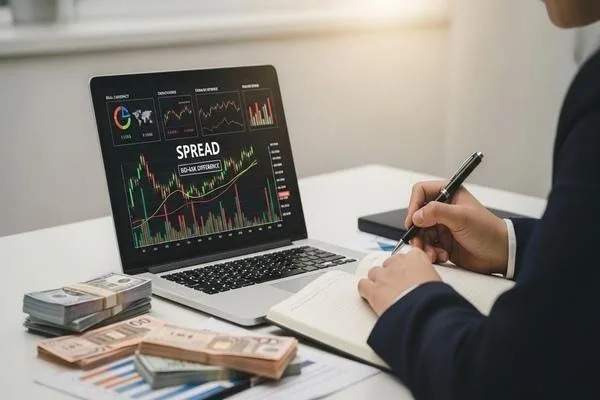
In currency exchange, the spread between buy and sell rates determines how much value you actually receive after conversion. This difference represents the provider’s margin and directly impacts your final amount, often more than small market fluctuations. Understanding how the spread works helps you identify hidden costs, compare rates effectively and make better decisions before completing any transaction.
How The Bid And Ask Rates Shape Exchange Pricing
Buy rates refer to how much a provider pays when purchasing your foreign currency during a transaction. Sell rates indicate how much you pay when acquiring foreign currency, usually priced higher than the buy rate. According to Federal Reserve exchange rate data, benchmark rates provide a reference point, though actual transaction rates vary by provider.
The gap between these two rates forms the spread, which determines the hidden cost within your transaction. Even small differences in rates can significantly impact the final amount received, especially in large or repeated transfers.
Why The Spread Reduces The Value You Receive
The spread directly lowers the value you obtain because you never transact at a single mid-market exchange rate. Instead, providers apply separate buy and sell rates, ensuring they profit from every exchange transaction processed. Insights from the U.S. Treasury exchange rate analysis highlight how market pricing structures influence currency valuation globally.
For example, if the market rate sits between two values, your transaction uses less favorable pricing on either side. This means you either receive less foreign currency or spend more local currency than expected.
How To Identify Unfavorable Rate Differences Before Transacting
You can evaluate the spread by comparing the provider’s buy and sell rates against the mid-market reference rate. This comparison shows how pricing differences affect the final amount received and helps you evaluate the total cost before proceeding.
Consumer education resources like the FDIC Money Smart program explain how financial services pricing impacts everyday transactions.
Consider these quick evaluation steps before completing a transaction:
- Compare displayed rates with trusted market benchmarks to identify unusually wide spreads before committing funds
- Check both directions of the exchange to understand how much value is lost during buying and selling
- Avoid focusing only on one rate since both buy and sell values impact your total transaction outcome

How Supply And Demand Shape Currency Exchange Rates In Real Time
Currency exchange rates constantly change due to shifting supply and demand across global financial markets. These movements directly influence how buy and sell rates are priced, which ultimately affects the value you receive during a transaction. When demand for a currency rises or supply increases, providers adjust rates to reflect real market conditions. Understanding how these forces interact helps you anticipate pricing changes and choose the right moment to exchange currency for better outcomes.
How Demand For A Currency Increases Sell Rates
When demand for a specific currency rises, providers may adjust sell rates to reflect changing market conditions. This demand-driven pricing reflects market conditions where limited supply meets increased buyer interest across global financial systems. Regulatory oversight bodies like FinCEN guidance resources outline how financial institutions monitor transactions while responding to market conditions.
Higher demand often occurs during travel seasons, international payments or economic shifts influencing cross-border financial activity. As a result, the cost of purchasing that currency increases, affecting the overall transaction value.
How Supply Levels Impact Buy Rates For Sellers
When supply of a currency increases, providers may lower buy rates because excess availability reduces its relative value. This means individuals selling that currency receive less in return, even if the mid-market rate appears stable.
For example, large inflows of remittances or international transfers can temporarily increase currency supply within local markets. This shift causes providers to adjust buy rates downward, reducing the amount received during exchange transactions.
How Timing Your Transaction Affects Your Final Value
Exchange rates fluctuate throughout the day based on global trading activity, which can influence the rate applied at the time of a transaction. Even small timing differences can lead to noticeably better or worse outcomes when converting currencies. When evaluating your options, consider reviewing available currency exchange services to understand how providers present their rates.
To improve timing decisions, consider the following practical steps:
- Monitor rate trends over short periods instead of relying on a single moment snapshot
- Avoid transacting during periods of high volatility when spreads and pricing often widen unpredictably
- Plan exchanges when market conditions appear stable and spreads remain relatively narrow
If you prefer in-person assistance, you can visit nearby branch locations to access currency exchange services directly. For additional support, consider contacting customer support to clarify exchange rate details before completing your transaction.
Key Takeaways
- The spread between buy and sell rates directly reduces the actual value received during any currency exchange transaction
- Buy rates and sell rates operate differently, ensuring providers profit through pricing differences applied to each transaction
- Market demand increases sell rates, making it more expensive to purchase foreign currency during high-demand periods
- Higher currency supply lowers buy rates, reducing the amount you receive when selling foreign currency
- Timing your transaction strategically helps minimize losses caused by rate fluctuations and unfavorable spread conditions
Note: This content is for informational purposes only and does not constitute financial advice or a recommendation to engage in any transaction.
Conclusion
Buy and sell rates directly shape your currency exchange value by determining both pricing and the spread applied during transactions. Understanding these mechanisms helps you recognize hidden costs and choose better moments to convert your funds. By comparing rates, monitoring market conditions and evaluating timing, you can better understand the potential cost of your transaction. Understanding how pricing structures work can make exchange costs easier to evaluate before completing a transaction. Being aware of these factors can support more informed decisions when exchanging currency.
Before completing a transaction, review the provider’s disclosed rates and fees to better understand the total cost of the exchange.
Disclaimer: Currency exchange rates, fees and spreads vary by provider and transaction type. Customers should review all disclosures provided at the time of transaction. Exchange rates are not guaranteed and may change without notice.
FAQs
Why are buy and sell rates always different?
Providers set different rates to create a spread, which serves as their margin for processing currency exchange transactions.
Can I exchange currency at the mid-market rate?
No, most providers do not offer the mid-market rate directly, as buy and sell rates include built-in margins.
How can I get a better exchange value?
Compare providers, monitor rate trends and choose transactions when spreads are narrower and market conditions are stable.
Do exchange rates change throughout the day?
Yes, rates fluctuate constantly due to global trading activity, economic events and shifting supply and demand conditions.
Does timing really impact my exchange outcome?
Yes, even small timing differences can significantly affect the amount you receive due to rate volatility and spread changes.

John is a Content & SEO Specialist who enjoys breaking down complex financial topics, like cross-border payments and money transfers, into content that’s easy to understand. He focuses on creating practical, search-driven content that helps people find answers and make informed decisions.