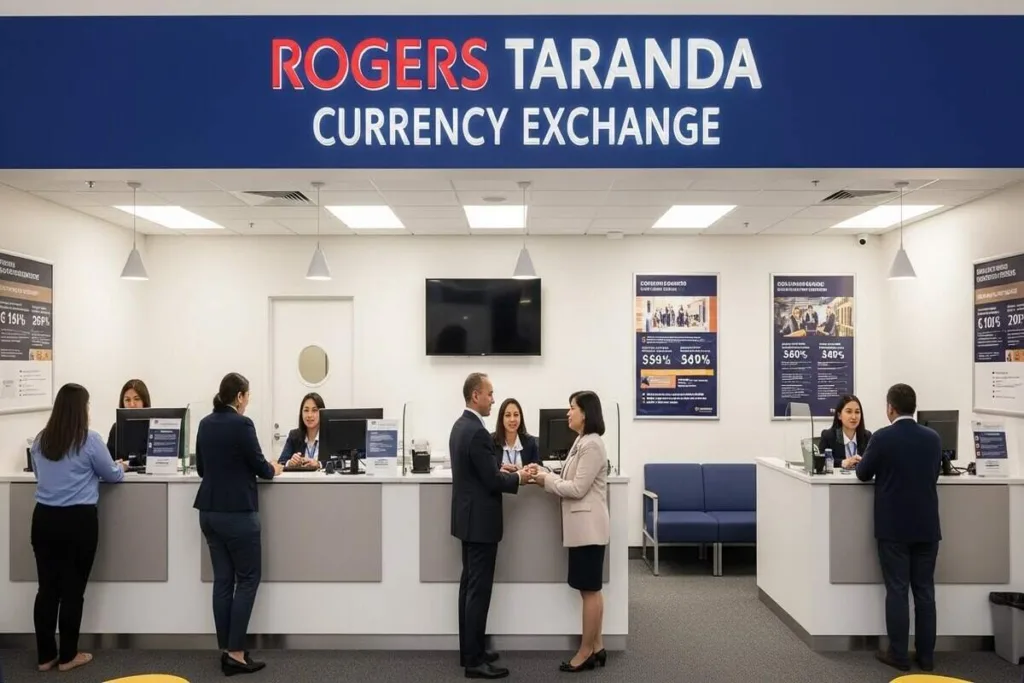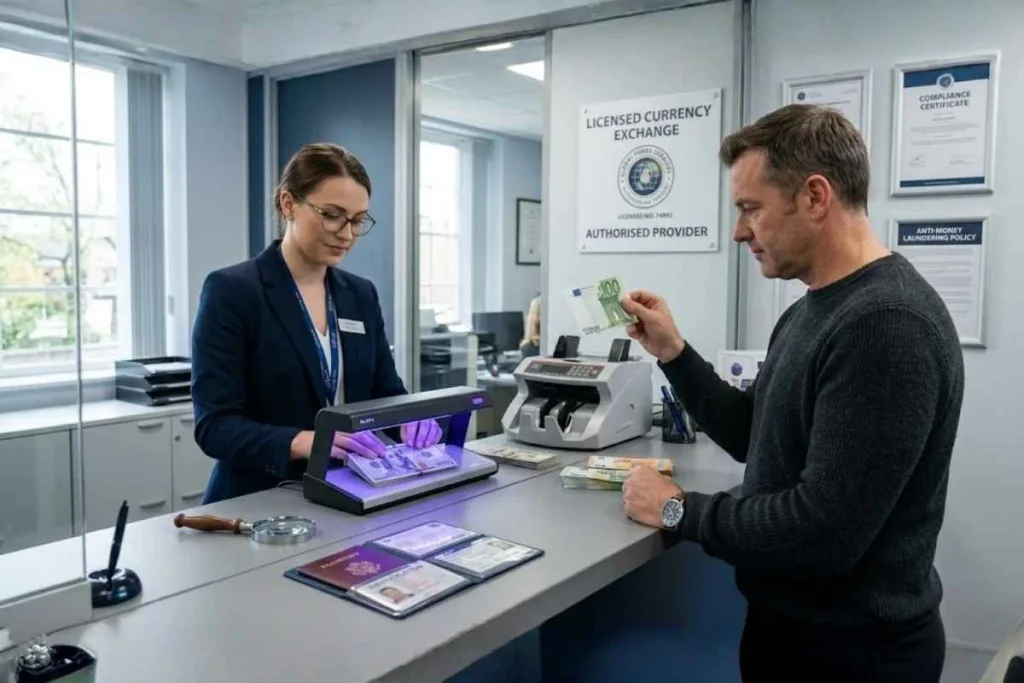
If you are exchanging money for travel, business or personal needs, taking a structured approach can help reduce exposure to counterfeit currency and transaction errors. Safe currency exchange involves verifying your provider, reviewing exchange rates carefully and inspecting all notes before leaving the counter.
Using a licensed Money Services Business (MSB) that follows identity verification, monitoring and recordkeeping requirements may help mitigate certain fraud risks. However, no provider can guarantee the detection of every counterfeit note, and customers remain responsible for reviewing currency received at the time of exchange.
Many consumers search for “currency exchange near me” or “safe money exchange” when preparing for international travel. Before selecting a location, verify that the business is properly registered and operates in a transparent retail environment.
If you are preparing for a transaction, this guidance supports the broader framework outlined in our broader currency exchange fundamentals for everyday transactions guide.
Use Regulated Providers With Transparent Controls
Choosing where you exchange currency directly affects your exposure to counterfeit bills and unsafe handling practices.
Verify Money Services Business Credentials
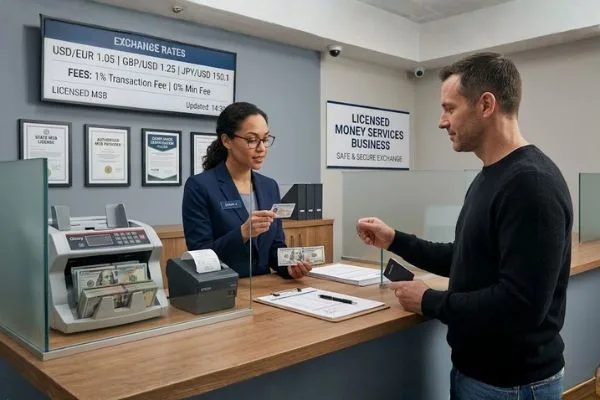
Exchanging currency through a licensed Money Services Business reduces exposure to unregulated cash transactions. Licensed providers operate under Bank Secrecy Act and FinCEN requirements that apply to regulated financial institutions, as outlined by the Financial Crimes Enforcement Network.
Order Express operates as a registered Money Services Business (where applicable) and follows federal and state compliance requirements that apply to licensed MSBs. Additional information about the company’s operating framework is available on the Order Express company background page.
Regulated environments create structured transaction processes designed to discourage counterfeit circulation and suspicious behavior. While regulation does not eliminate risk entirely and does not guarantee the detection of counterfeit currency, oversight mechanisms may help reduce fraud exposure when combined with careful customer review.
When selecting a provider, look for:
- Visible licensing disclosures and registration information
- A clear physical business location with staffed service counters
- Transparent posted exchange rates and service fees
- Receipt issuance for every completed transaction
Avoid exchanging currency through informal networks, online marketplaces or unverified third parties. Counterfeit distribution often occurs in unregulated peer transactions where no identity checks occur.
Understand Identity Verification And Reporting Controls
Identity verification procedures may feel formal, but they serve a protective function for customers. Regulated providers must request identification once transactions meet certain thresholds or risk indicators.
For example, currency exchange transactions above defined dollar amounts may require government-issued identification. These requirements align with anti-money laundering controls and federal reporting standards described in the Anti-Money Laundering Act of 2020.
Structured transaction controls required of regulated financial institutions typically include:
- Reviewing valid photo identification when required
- Monitoring aggregated activity within defined timeframes
- Recording transaction details for compliance review
- Issuing a formal receipt documenting rate and amount
These controls discourage structuring behavior and counterfeit circulation within the system. They also create an audit trail that can assist in resolving disputes.
Example: A customer exchanging $2,000 or more in foreign currency may be asked to present a valid government-issued photo identification. This verification step aligns with federal reporting and anti-money laundering controls that apply to licensed MSBs. Identification procedures are regulatory requirements and are not discretionary screening practices.
If you plan to exchange a larger amount, bring valid identification and confirm acceptable forms beforehand. Preparation can reduce delays and prevent incomplete transactions.
Confirm Rate Transparency Before Completing The Exchange
Exchange rate transparency also contributes to safe currency exchange practices. A clearly posted exchange rate allows you to evaluate the spread or markup applied.
Every currency exchange involves a rate that may vary throughout the day, based on broader market movements tracked through Federal Reserve exchange rate data. Rates fluctuate based on market conditions, provider costs and operational factors.
Before finalizing a transaction:
- Confirm the exchange rate being applied
- Review any service fees separately listed
- Verify the final amount you will receive
- Compare posted rates if needed
Transparent disclosure reduces misunderstandings and discourages rushed decision-making. Safe exchanges involve clarity, documentation and deliberate confirmation before funds change hands.
Before comparing exchange rates today, confirm whether posted rates include service fees or spreads. Some providers display base rates separately from final settlement amounts.
Inspect Currency Carefully Before Leaving The Counter
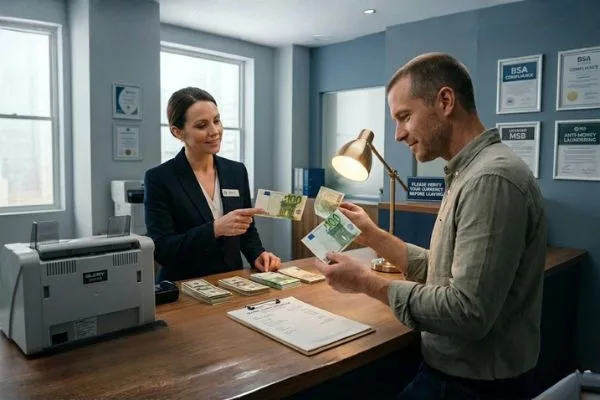
Even when using regulated providers, you should inspect received currency immediately after exchange.
Check Physical Security Features On Each Note
Modern banknotes contain embedded security features designed to deter counterfeiting. These features vary by country but often include watermarks, color-shifting ink and security threads, which are commonly explained in consumer education materials such as the FDIC Money Smart program.
When reviewing exchanged currency:
- Hold notes up to light to check embedded watermarks
- Tilt bills to observe color-shifting ink elements
- Feel raised printing or textured areas
- Examine security threads within the paper
Complete this inspection before leaving the counter to address concerns promptly. If a note appears questionable, request clarification immediately from the teller.
Avoid folding bills quickly or placing them directly into a wallet without review. A brief inspection can prevent complications later during travel or retail spending.
Avoid High Pressure Or Distracted Transactions
Counterfeit exposure increases when transactions occur in rushed or distracted environments. Take your time reviewing both the exchange rate and the physical currency received. Remain attentive during the counting process and verify totals independently when possible. Do not allow external pressure from other customers to shorten your review.
If exchanging funds for travel, complete the transaction in advance rather than at the last minute. Advance preparation supports calmer review and better rate comparison. In retail financial settings, including currency exchange, Order Express money transfer services and money order services, deliberate verification supports transaction confidence.
Request And Retain A Detailed Receipt
A detailed receipt provides documentation of the exchange rate, amount tendered and amount received. This documentation supports dispute resolution if discrepancies arise. Consumer protections related to certain electronic fund transfers and disclosures are further explained under Regulation E guidance from the Consumer Financial Protection Bureau.
Your receipt should include:
- Date and time of transaction
- Currency types exchanged
- Exchange rate applied
- Fees charged, if applicable
- Net amount received
Retain your receipt until you have completed travel or spending in that currency. Documentation supports clarity if questions arise later. Regulated providers, including Order Express, issue receipts as part of standard transaction procedures. This practice supports transparent retail financial services across currency exchange, Order Express check cashing services and money transfer activities.
Key Takeaways
- Use licensed Money Services Businesses to reduce exposure to counterfeit currency and unregulated transactions.
- Identity verification and transaction monitoring controls help discourage counterfeit circulation and suspicious behavior.
- Always confirm exchange rates, spreads and fees before finalizing a currency exchange transaction.
- Inspect each banknote for watermarks, security threads and texture before leaving the counter.
- Retain a detailed receipt to document rate, fees and final exchanged amount.
Frequently Asked Questions
Q: How Can I Tell If A Currency Exchange Location Is Legitimate?
A: Look for licensing disclosures, a staffed physical location, posted exchange rates and formal receipt issuance. Licensed Money Services Businesses follow identity verification and reporting requirements.
Q: Should I Inspect Foreign Currency Before Leaving The Counter?
A: Yes. Check security features such as watermarks, color-shifting ink and security threads before leaving the counter to address concerns immediately.
Q: Why Do I Need To Show Identification For Some Currency Exchanges?
A: Identification may be required for certain transaction amounts to comply with anti-money laundering and reporting requirements under federal guidelines.
Q: Can Exchange Rates Change During The Day?
A: Yes. Exchange rates may vary based on market conditions and provider pricing structures, so confirm the applied rate before completing your transaction.
Q: Is It Safer To Exchange Currency In Advance Rather Than At The Airport?
A: Exchanging in advance may provide more time to compare rates and inspect currency carefully, which can support more deliberate transaction decisions.
Conclusion
You can exchange currency safely by selecting regulated providers and carefully inspecting every note received. Licensed Money Services Businesses follow identity verification and monitoring controls that are intended to discourage counterfeit circulation. Transparent exchange rate disclosure and clear fee communication support informed financial decisions. Always confirm the applied rate and review the final amount before completing the transaction. Inspect security features such as watermarks and raised printing immediately at the counter. Retain your receipt to document rate details and transaction timing. Preparing in advance and avoiding rushed environments may help reduce errors or overlooked discrepancies. Safe currency exchange depends on deliberate review, proper documentation and structured transaction processes.
To prepare for your next exchange, review current exchange rates and confirm documentation requirements in advance. You may also locate a nearby Order Express branch through the official website to verify operating hours, identification requirements and posted rate transparency before visiting.
Disclaimer: This content is provided for informational purposes only and does not constitute financial, legal or regulatory advice. Currency exchange providers cannot guarantee the detection of counterfeit currency, and customers remain responsible for verifying notes at the time of receipt. Exchange rates, fees, availability and identification requirements may vary by provider, transaction type and location.

John is a Content & SEO Specialist who enjoys breaking down complex financial topics, like cross-border payments and money transfers, into content that’s easy to understand. He focuses on creating practical, search-driven content that helps people find answers and make informed decisions.