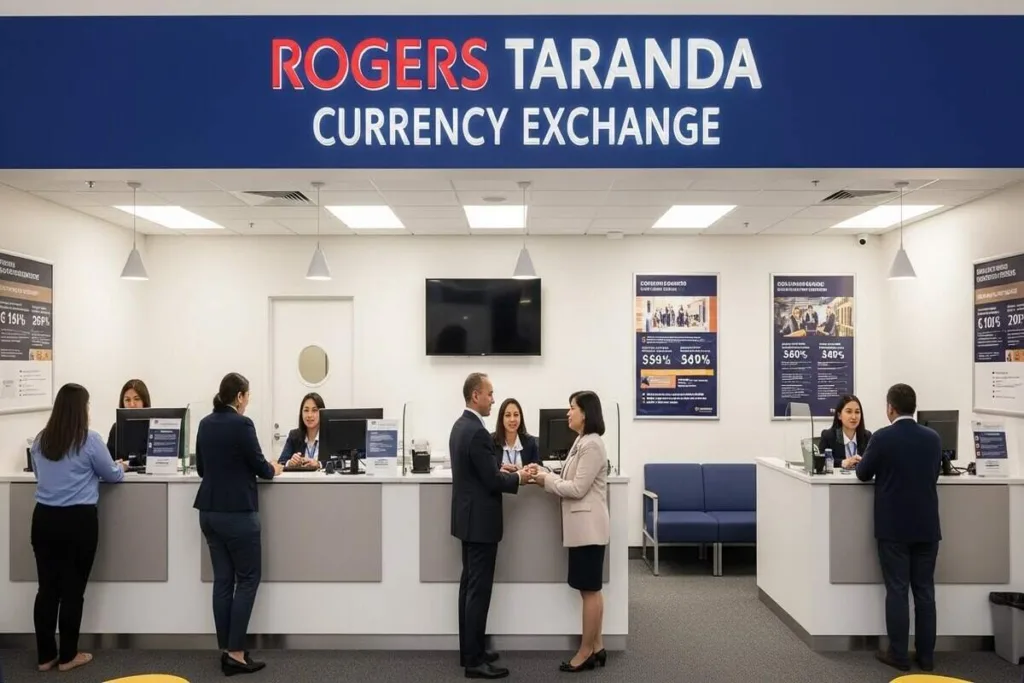
Currency exchange services allow individuals to convert one national currency into another for international travel, overseas purchases, or cross-border financial activities. These foreign currency exchange services are commonly used by travelers who need to exchange money before travel and access funds in a different currency. These services play an important role in helping travelers and consumers access the foreign cash they need while understanding exchange rates and transaction details. Many travelers review practical information about exchange rates and transaction preparation through resources that provide retail currency exchange guidance before deciding how to convert funds.
Many consumers prefer completing these transactions in person because it provides immediate confirmation of rates, physical access to currency, and the ability to ask questions before finalizing the conversion. The sections below outline why face-to-face transactions remain a common choice and how they can support practical preparation for international expenses.

Trust And Transparency In In-Person Currency Transactions
When people exchange money in person, they often feel more confident about the process. Face-to-face interaction allows customers to ask questions about exchange rates, fees, and available currencies before completing the transaction. For many consumers preparing for travel or international spending, seeing the currency and receiving confirmation from a representative reduces uncertainty and improves understanding.
Physical locations also allow customers to review documentation and transaction details directly.
In the United States, currency exchange providers that qualify as Money Services Businesses operate under regulatory frameworks such as the Bank Secrecy Act and related anti-money-laundering requirements. These federal rules require money services providers to maintain compliance programs and follow transaction monitoring and reporting standards overseen by agencies such as the Financial Crimes Enforcement Network.
Money services businesses operating in the United States must also register with the Financial Crimes Enforcement Network (FinCEN) and comply with applicable federal and state licensing requirements.
Customers Can Verify Exchange Rates And Transaction Details
One key advantage of in-person currency exchange is the ability to verify exchange rates and transaction details before completing the conversion. Customers can review posted rates, ask questions, and confirm how much foreign currency they will receive.
Travelers often use this opportunity to compare options when converting dollars to pesos or other currencies used at their destination. Reliable public data sources such as the Federal Reserve’s foreign exchange rate data allow consumers to review broader currency market trends while preparing for international travel.
Being physically present also helps customers confirm that calculations are correct before handing over funds. This step reduces misunderstandings and helps consumers feel comfortable completing the transaction.
Consumers Gain Immediate Access To Physical Currency
Face-to-face foreign currency exchange services allow customers to obtain travel cash immediately after completing the transaction. This is especially helpful for travelers who need funds ready for transportation, lodging, or meals upon arrival.
Receiving the currency in person also allows individuals to inspect the banknotes for condition and denomination. Travelers often prefer smaller bills for taxis, tips, and daily purchases during international trips.
Having the cash on hand before departure eliminates the need to search for currency services after arriving abroad. This preparation can reduce stress and allow travelers to begin their trip with funds already converted and organized.
Staff Can Answer Questions About Exchange Options
In-person service provides direct access to staff who understand the process of currency exchange and can explain available options. Customers can ask about available denominations and general transaction details related to the exchange process.
For travelers exploring available foreign currency exchange services, speaking directly with a representative can help clarify how the exchange process works and what options may be available when converting funds.
Direct communication also helps clarify common concerns such as how exchange rate changes occur or why rates differ between service providers.
Face-To-Face Transactions Reduce Payment Uncertainty
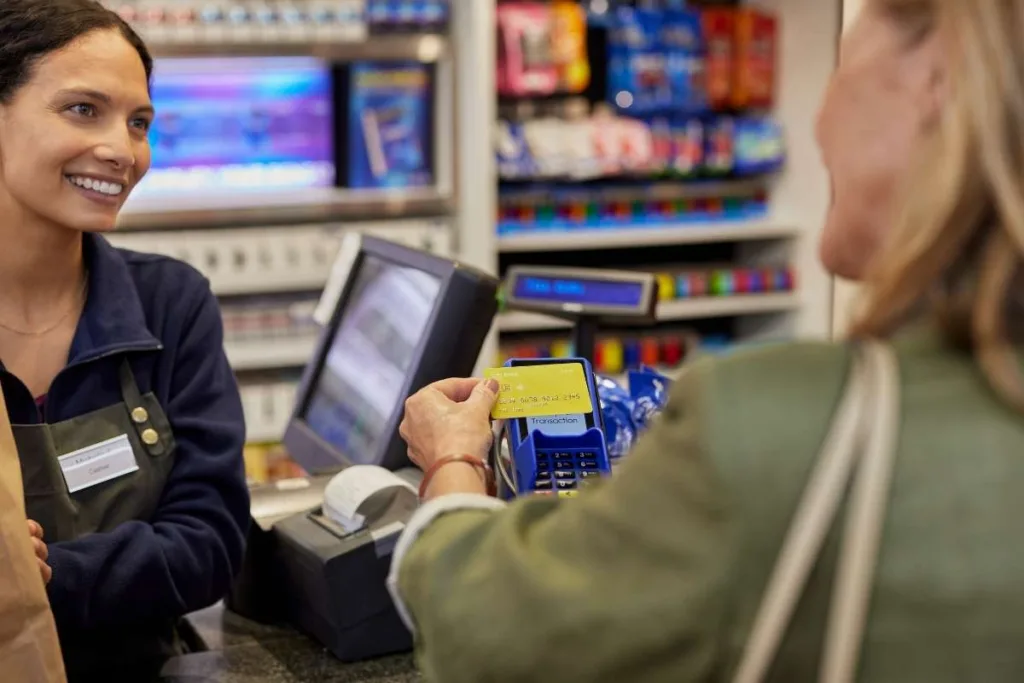
Customers often choose in-person currency exchange because it provides immediate confirmation that the transaction has been completed correctly. Handling the process directly may help some customers feel more confident about the payment process and reduce concerns about potential errors or delays.
Common benefits consumers associate with face-to-face transactions include:
- immediate confirmation of funds received
- the ability to review currency notes on the spot
- direct communication with a service representative
- a clear printed receipt for transaction records
These steps allow customers to confirm the exchange before leaving the location, which adds reassurance when preparing for international travel.
Situations Where In-Person Currency Exchange Is Most Helpful
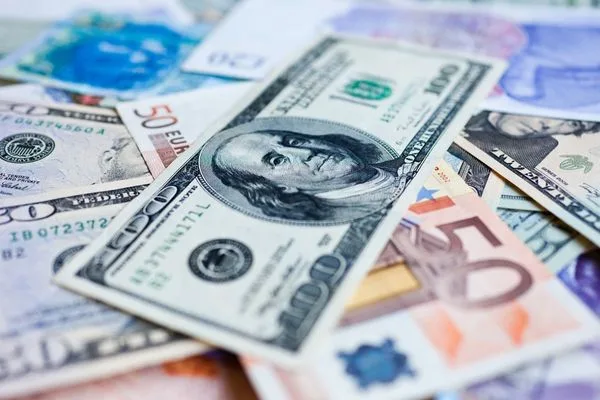
While digital financial services continue to expand, many travelers still prefer visiting a physical location when exchanging foreign cash. Face-to-face transactions can be particularly helpful when dealing with unfamiliar currencies, large travel budgets, or time-sensitive preparations before departure.
Consumers planning international trips often look for reliable guidance about converting cash, managing exchange rates, and choosing a service provider. Financial education resources such as the FDIC’s Money Smart consumer education program provide information that helps consumers understand basic financial decision-making and money management concepts.
In-person currency exchange services typically follow identity verification, recordkeeping, and monitoring procedures required for money services businesses operating in the United States.
Travelers Preparing For International Trips
Travelers preparing for international travel frequently choose in-person currency exchange to ensure they leave with the correct currency and denominations. This preparation reduces the need to search for exchange services immediately after arriving abroad.
For example, a traveler flying to Mexico might convert dollars to pesos before departure to cover transportation, meals, and small purchases during the first days of the trip.
Having cash ready upon arrival also helps in destinations where card acceptance varies. This preparation can make the beginning of a trip smoother and more predictable.
Customers Managing Cash For Overseas Expenses
Individuals handling overseas expenses often prefer face-to-face currency exchange because it allows them to plan conversions carefully. Students studying abroad, international visitors, or individuals supporting family overseas may need to exchange funds periodically.
Speaking directly with a representative can help customers understand available exchange options and transaction details before converting funds.
This approach also allows individuals to track exchange rate movements over time. Broader currency valuation trends and international policy perspectives are periodically analyzed by the U.S. Treasury through its exchange rate analysis reports.
In-Person Locations Provide Transaction Documentation
In-person currency exchange services typically provide receipts and documentation confirming the transaction details. These records can be useful for travelers who track expenses or reconcile travel budgets after returning home.
Customers who prefer completing transactions in person often visit nearby service offices listed on a provider’s branch locations page when preparing to convert foreign currency.
Financial service providers that operate within regulated environments maintain internal recordkeeping and monitoring practices to support compliance obligations under applicable financial regulations governing money services businesses.
Comparing Exchange Options In Person
Consumers can compare exchange services directly when visiting physical locations. Seeing posted exchange rates and asking about service fees allows customers to evaluate different providers before deciding where to convert their money.
When reviewing options, travelers often consider factors such as:
- current exchange rate offered
- availability of specific foreign currencies
- convenience of the location
- the ability to convert cash before travel in a physical service location
This comparison helps consumers make informed decisions when buying or selling foreign currency.
How To Choose A Currency Exchange Service Before Travel
When selecting a currency exchange service, travelers often look for providers that offer transparent exchange rates, clear transaction details, and convenient access to foreign currency. Comparing available foreign currency exchange services in advance can help individuals prepare effectively for international trips.
Travelers typically evaluate whether the provider offers the required foreign currency, clearly explains exchange rates and service fees, operates in a convenient location, and is licensed or properly registered.
Reviewing these factors helps travelers make informed decisions when choosing where to exchange money before travel.
Conclusion
Face-to-face currency exchange remains a preferred option for many consumers because it provides transparency, immediate access to cash, and direct communication with knowledgeable staff. Travelers preparing for international trips often value the ability to confirm exchange rates, inspect currency notes, and receive clear documentation during the transaction. These advantages can help individuals feel confident when converting funds for overseas expenses or travel preparation.
Consider working with a licensed or properly registered currency exchange provider when converting foreign cash for international travel needs.
Disclaimer: This content is provided for general informational purposes only and does not constitute legal, financial, or regulatory advice.
Frequently Asked Questions
Why Do Some People Prefer Face-To-Face Currency Exchange Services?
Many travelers prefer in-person currency exchange because they can verify rates, inspect cash, and confirm transaction details immediately.
Is It Safer To Exchange Currency In Person Instead Of Online?
In-person transactions allow customers to verify exchange details directly and receive foreign currency immediately after payment.
When Should Travelers Exchange Foreign Currency Before A Trip?
Travelers often exchange currency shortly before departure to prepare for initial transportation, meals, and everyday expenses abroad.
Can Exchange Rates Change During The Day At Currency Exchange Locations?
Yes, exchange rates can fluctuate throughout the day based on market conditions and the policies of the service provider.
Do Currency Exchange Locations Provide Receipts For Transactions?
Many currency exchange providers provide documentation confirming the transaction amount, currency type, and exchange rate applied.
Where Can I Exchange Foreign Currency Before Traveling?
Travelers can exchange foreign currency at licensed currency exchange locations, banks, or regulated money services businesses that provide travel money exchange services

Alvin is a Content and SEO Specialist who creates clear and helpful content about money transfers and payment systems. He focuses on making complex topics easy to understand so readers can learn how these services work in everyday situations.