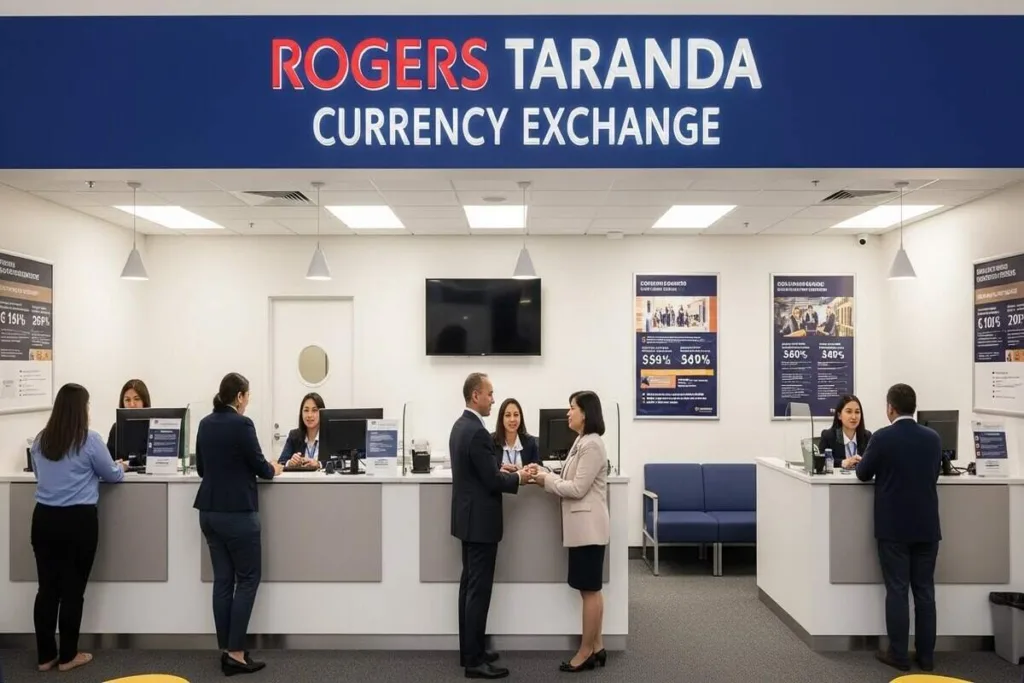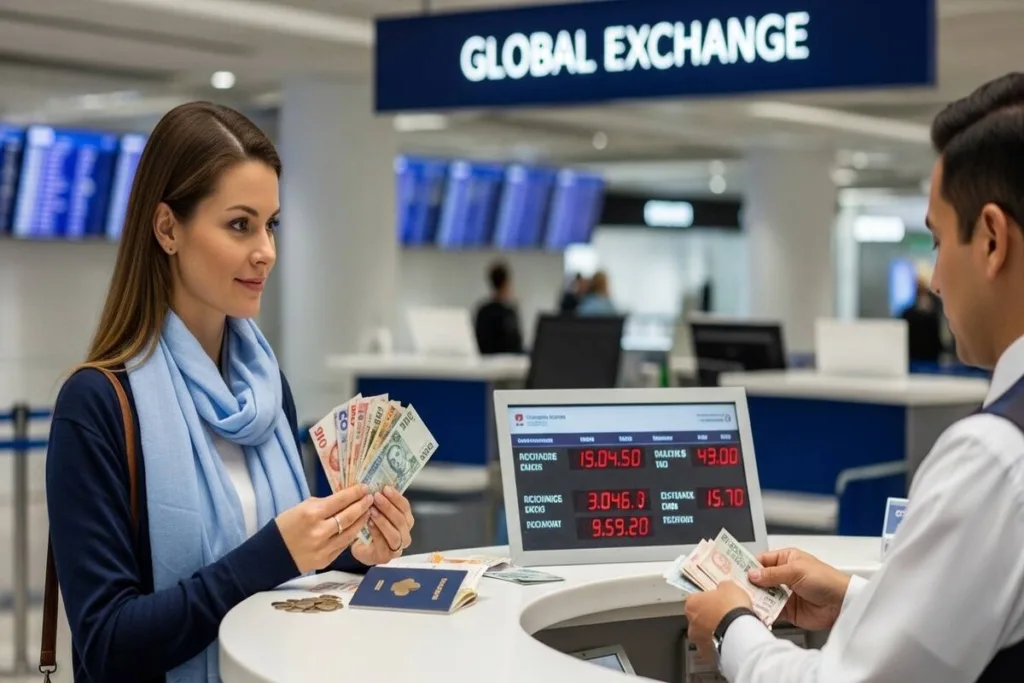
People exchange currency when shopping abroad to support merchant payment acceptance and prices remain transparent during international purchases. This practice supports seamless transactions, accurate budgeting and confident decision-making across diverse global retail environments.
For comprehensive retail guidance, explore our pillar resource on Understanding Currency Exchange Services For Consumers. Begin your currency exchange today to enjoy smoother, more confident and financially controlled international shopping experiences.
At providers like Order Express, customers can access regulated, in-person currency exchange services.
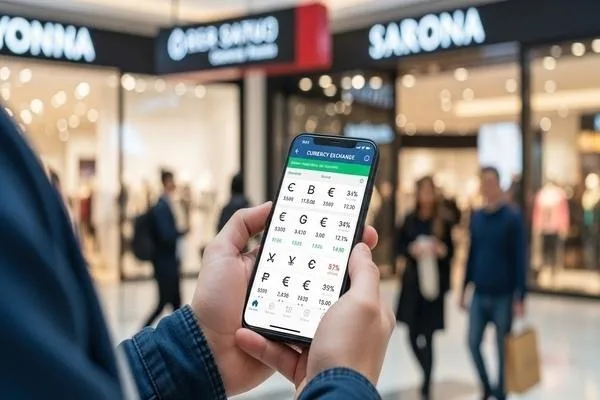
Why Currency Exchange Is Essential For International Shopping
Currency exchange is essential for travelers seeking reliable and convenient payment experiences while shopping abroad. Using local currency ensures merchant acceptance, accelerates checkout processes and reduces dependence on uncertain conversion methods. It also enhances financial clarity by enabling accurate price comparisons and better budget management throughout the journey. With currency exchange, shoppers gain greater control over their spending and avoid unexpected payment disruptions, creating a smoother and more predictable international retail experience.
Note: Currency exchange providers in the U.S. operate as Money Services Businesses (MSBs) and must comply with the Bank Secrecy Act (BSA), including anti-money laundering (AML) requirements, transaction monitoring, and customer identification procedures.
Facilitating Merchant Acceptance Across Global Markets
Merchants abroad typically price goods in domestic currencies and prefer receiving payments without conversion-related processing delays. Exchanging currency beforehand ensures seamless acceptance across retail stores, markets and service providers operating internationally today, while preventing payment rejections, enabling faster checkouts and supporting purchases where electronic payment infrastructure remains limited or unreliable. Travelers can access nearby branch locations to obtain local currency before completing their purchases.
Simplifying Budgeting And Price Transparency Abroad
Paying in local currency gives travelers a clearer view of what they are actually spending while shopping overseas. When prices appear in the destination currency, shoppers can evaluate costs confidently and make faster purchasing decisions without second guessing exchange calculations.
Clear pricing delivers practical financial advantages.
- It allows accurate price comparisons across different stores and locations.
- It supports consistent budget tracking throughout the entire trip.
- It reduces confusion caused by fluctuating exchange rates at checkout, which are publicly tracked through sources such as the Federal Reserve H.10 exchange rate data.
- It helps avoid hidden conversion markups during card-based transactions.
Relying on local currency also strengthens overall financial control during international travel. Shoppers can align daily spending with preplanned budgets more precisely and avoid surprises when reviewing transaction records later. Consumer education tools like the FDIC Money Smart program also reinforce the importance of understanding how exchange rates influence purchasing outcomes. This clarity builds confidence at the point of sale and helps travelers stay focused on the shopping experience rather than worrying about exchange-related discrepancies.

How Currency Exchange Improves Rate Control And Spending Power
Currency exchange can help travelers reduce exposure to unpredictable rate shifts and unexpected transaction costs while shopping abroad. By converting funds before making purchases, consumers may gain greater visibility into exchange timing, limit exposure to certain conversion practices and improve overall spending confidence throughout their international retail experience. Reviewing official exchange rate analysis published by the U.S. Treasury Department can also provide helpful context when evaluating currency trends.
Locking In Favorable Exchange Rates Before Purchases
Exchanging currency in advance may allow shoppers to take advantage of available rates and gain more predictable purchasing power during international trips. Planning ahead can help travelers monitor exchange trends, avoid last-minute conversions in tourist areas and manage shopping budgets with greater consistency throughout travel. Financial institutions that provide currency services must also operate within federal compliance frameworks overseen by agencies such as FinCEN, which establishes regulatory obligations for institutions rather than consumers.
Avoiding Unexpected Conversion Costs During Transactions
Exchanging currency before shopping internationally may help reduce exposure to additional conversion costs that can occur during checkout. Some foreign card and digital wallet transactions apply exchange rate adjustments that can affect the final total shown on your statement.
Exchanging currency in advance may help reduce exposure to:
- Hidden dynamic currency conversion markups added at the point of sale
- Payment processor rate spreads that reduce your purchasing power
- Automatic foreign transaction adjustments applied after authorization
- Unclear exchange calculations reflected only on your final statement
Paying directly in local currency gives you full control over when and how your money converts. You remove third-party timing decisions that may not align with favorable market rates. You also gain clearer transaction records, making it easier to track spending accurately and reconcile your purchases after returning home. If you need clarification about available currency exchange options, you can contact customer support for assistance before completing your transaction.
Enhancing Financial Planning And Spending Confidence
Access to local currency empowers travelers to plan purchases confidently and allocate funds efficiently across their shopping itinerary. Financial preparedness supports smoother travel experiences by enabling accurate budget distribution, providing bargaining flexibility in local markets and ensuring readiness for diverse purchasing scenarios abroad. Exploring available currency exchange services before departure can further strengthen preparation and help align spending plans with expected travel needs.
Key Takeaways
- People exchange currency abroad to help support merchant payment acceptance and encourage smoother transactions during international shopping.
- Local currency enhances budgeting accuracy and price transparency, supporting confident purchasing decisions during international shopping experiences.
- Strategic currency exchange may help travelers take advantage of available rates and reduce exposure to unpredictable financial fluctuations affecting purchasing power.
- Pre-exchanged funds reduce unexpected conversion costs and provide clearer financial control throughout international retail transactions.
- Holding local currency strengthens financial planning and increases overall confidence when navigating diverse global shopping environments.
Conclusion
People exchange currency when shopping abroad to support payment acceptance, financial clarity and improved purchasing visibility during international transactions. Local currency simplifies budgeting, enhances transparency and supports seamless merchant interactions, while strategic currency management may help reduce exposure to unfavorable fluctuations and unexpected conversion costs, empowering travelers to make confident purchasing decisions abroad.
Disclaimer: This article provides general informational guidance only and does not constitute financial, regulatory or travel advisory recommendations. Policies, requirements and exchange practices may vary by provider and jurisdiction.
FAQs
Why is local currency preferred by international merchants?
Local currency can support faster transaction processing, reduce conversion uncertainties and align payments with merchant financial systems abroad.
Does exchanging currency improve budgeting during travel?
Yes, local currency enables accurate price comparisons, consistent expense tracking and clearer understanding of overall shopping budgets abroad.
Can exchanging currency help avoid unexpected transaction costs?
Exchanging currency beforehand may help reduce exposure to additional conversion markups often applied during foreign card or digital wallet transactions.
When should travelers exchange currency for shopping abroad?
Travelers should exchange currency before shopping activities to secure favorable rates and ensure immediate payment readiness abroad.
Is exchanging currency necessary for all international shopping situations?
While not always mandatory, exchanging currency significantly improves payment acceptance, budgeting clarity and financial control during international shopping.

John is a Content & SEO Specialist who enjoys breaking down complex financial topics, like cross-border payments and money transfers, into content that’s easy to understand. He focuses on creating practical, search-driven content that helps people find answers and make informed decisions.