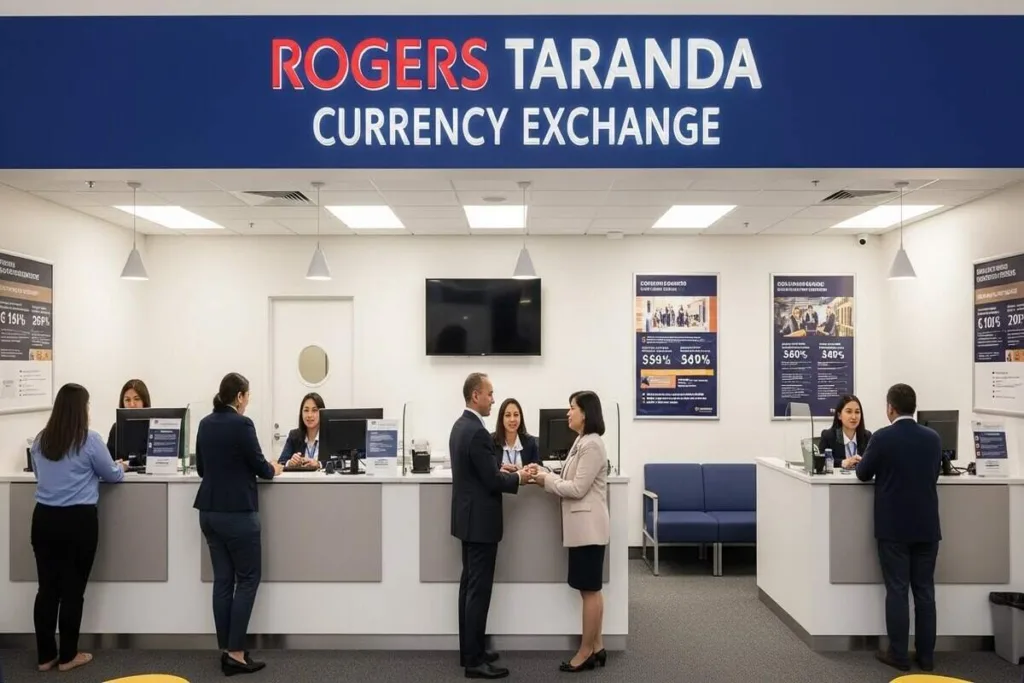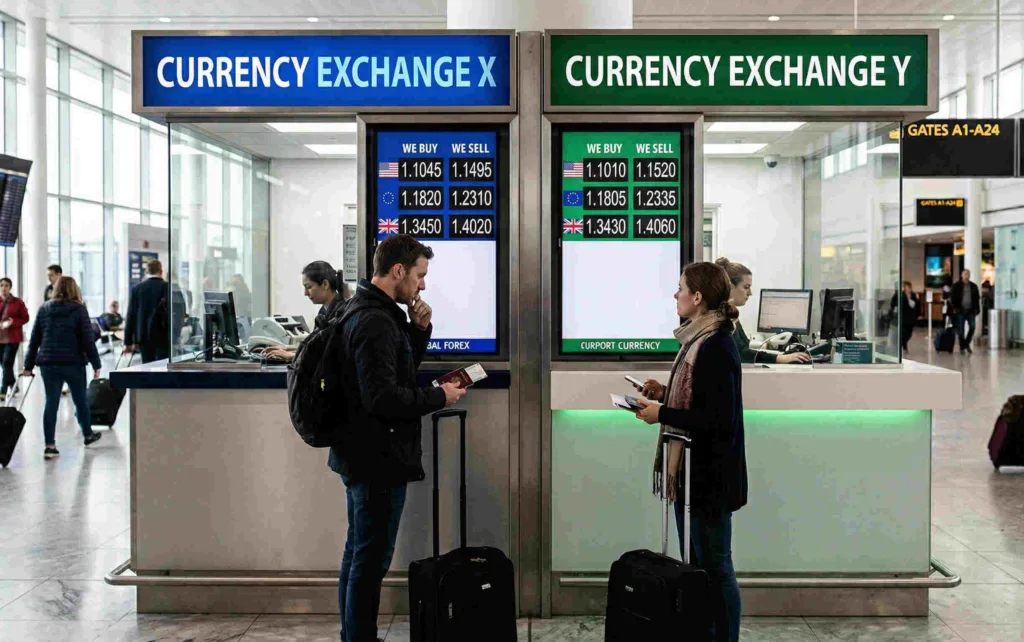
When you compare currency exchange providers, you may notice different rates for the same currency pair. These differences can seem confusing, especially if you expect a single universal rate everywhere.
Retail currency exchange services do not operate using one fixed public price. Each provider applies its own pricing structure, costs and risk considerations before presenting a customer rate.Understanding why these variations occur helps you evaluate offers more confidently before completing a transaction. This article explains the specific reasons retail currency conversions vary and what that means for you.
For a broader overview of how retail services structure pricing and operations, review our guide explaining how everyday currency exchange services work.
What factors directly affect the exchange rate you receive?
Retail currency exchange providers adjust rates based on internal pricing structures and operational considerations. When you request a quote, the rate reflects more than the live interbank benchmark displayed online. According to Federal Reserve foreign exchange rate data, published reference rates reflect wholesale market activity rather than consumer transaction pricing.
Note: Exchange rates are subject to change and may vary at the time of transaction. Customers should review final transaction details before completing any exchange. As rates and availability are not guaranteed until the transaction is confirmed.
Providers add a retail margin to the interbank rate
Retail providers apply a markup to the interbank rate before offering it to customers. The interbank rate represents wholesale pricing between major financial institutions, not consumer transaction pricing. The margin covers business costs, revenue targets and risk exposure during rate fluctuations. Because each provider sets its own markup strategy, customer rates naturally differ between locations and platforms.
Understanding how a provider structures its operational model can also provide context, which you can review on the official Order Express company overview page.
Note: The interbank rate is the wholesale reference rate banks use to trade currencies with each other. Retail customers always receive a rate that includes a provider margin above or below that benchmark.
Operating costs influence displayed rates
Retail currency exchange businesses operate physical branches, digital platforms or hybrid service models. Each format carries distinct staffing, technology, compliance and security expenses that influence rate calculations. Financial institutions must also meet regulatory standards, including reporting and compliance obligations described in FinCEN guidance for money services businesses, which contribute to operational cost structures.
For example, airport kiosks often display less favorable rates because rent and staffing costs remain high. Online providers may offer tighter spreads if their overhead structure allows lower operational expenses. If you plan to exchange in person, reviewing available locations through the official Order Express branch locator can help you prepare in advance.
You can expect rate differences when comparing providers that operate in different environments:
- High-rent travel hubs versus suburban storefronts
- Brick-and-mortar counters versus app-based exchanges
- Small independent outlets versus national financial institutions
These structural cost differences directly affect how aggressively providers can price currency conversions.
Supply and demand affect specific currencies
Currency availability impacts the rate you receive at the moment of exchange. Providers adjust pricing when local inventory of a specific currency becomes limited or highly requested.
During peak travel seasons, popular destinations may experience increased demand for certain foreign currencies. Retail providers may widen spreads slightly to manage inventory and replenish stock efficiently.
Less commonly traded currencies may also carry wider margins because providers assume greater holding risk. Broader international currency policy considerations, including those outlined in U.S. Treasury exchange rate policy guidance, explain how exchange rate systems function at a national level, although retail pricing remains independently structured.

How do fees and pricing models create visible differences?
Retail providers structure pricing in different ways, which can make rates appear inconsistent. Understanding how pricing models work helps you evaluate the true cost of your transaction. As explained by the Consumer Financial Protection Bureau guidance on sending money abroad, reviewing total costs before completing a transaction improves consumer decision-making.
Some providers build fees into the exchange rate
Many retail currency exchange services advertise zero commission while embedding costs directly into the rate. In this model, you do not see a separate service fee on your receipt.
Instead, the provider widens the difference between buy and sell prices, known as the spread. A wider spread increases provider revenue while keeping the transaction process simple for customers.
Note: The spread represents the difference between the rate at which a provider buys currency and the rate at which it sells currency. A wider spread increases the provider’s margin on each transaction.
This structure makes comparison more difficult because the markup hides within the rate itself. Two providers may both advertise no commission yet deliver meaningfully different conversion totals.
Others charge visible service or commission fees
Some retail providers separate the exchange rate from a clearly disclosed service fee. In this case, the quoted rate may appear closer to the interbank benchmark. However, a flat fee or percentage-based commission increases the total transaction cost. You must calculate both components together to understand the final amount received.
When reviewing a provider’s pricing model, evaluate three elements carefully:
- The quoted exchange rate
- Any flat transaction fee
- Any percentage-based commission
Comparing all three elements helps you identify the true effective rate for your conversion. If you are also comparing cross-border transfer options, reviewing international money transfer services offered by Order Express can help you understand structural differences between services.
Timing and rate refresh policies matter
Retail providers update rates at different intervals throughout the business day. Some refresh pricing continuously, while others adjust rates at scheduled times.
If markets move quickly, providers with slower update cycles may display temporarily misaligned rates. This difference can create short-term variation even within the same city.
Additionally, some providers lock in rates only at the moment funds are processed. Others may honor a quoted rate for a limited period, depending on their internal policies.
These operational choices influence the rate you ultimately receive at the counter or online checkout.
Compare the effective rate, not just the advertised rate
The effective rate reflects the total amount of foreign currency you receive after all costs. This figure provides a more accurate basis for decision-making.
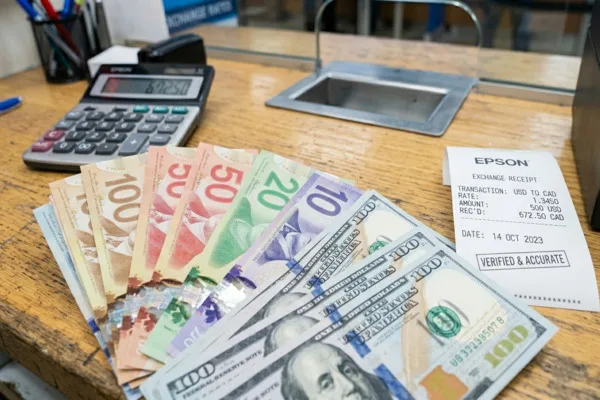
To calculate the effective rate, divide the foreign currency received by the total domestic currency spent. This simple calculation reveals hidden differences between pricing models.
Note: The effective rate equals the total foreign currency received divided by the total amount paid, including all fees. This calculation standardizes comparisons across different providers.
When possible, request a full transaction quote rather than relying on promotional displays. Confirm the final payout before committing to the exchange.
Review provider transparency and disclosures
Clear pricing disclosures often indicate a more predictable transaction experience. Providers should explain whether fees appear separately or remain embedded in the rate. Consumer education resources such as the FDIC Money Smart financial education program encourage individuals to review financial terms carefully before completing transactions.
Look for transparency in the following areas:
- Fee breakdowns before payment confirmation
- Rate lock duration, if applicable
- Identification requirements and minimum transaction amounts
Transparent communication reduces surprises during the final transaction stage. If you need clarification before proceeding, you can reach out through the official Order Express contact page.
Plan timing and transaction size strategically
Smaller transactions often carry proportionally higher margins because fixed costs remain constant. Larger transactions may qualify for slightly improved pricing depending on provider policy.
You can also monitor market movement before exchanging funds if your travel date allows flexibility. Even modest rate shifts can influence your final conversion total.
When comparing providers, follow a consistent evaluation sequence:
- Check the live reference rate for context
- Request full quotes from at least two providers
- Calculate the effective rate for each quote
- Confirm total payout before completing payment
This structured approach keeps your decision grounded in measurable outcomes rather than advertising claims.
Key takeaways
- Retail currency exchange providers add their own margin to the interbank rate, creating visible differences in customer pricing.
- Operating costs, location type and business model directly influence how competitive a provider’s displayed rate can be.
- Some providers embed fees into the exchange rate, while others charge separate commissions or service fees.
- The effective rate, not the advertised rate alone, determines how much foreign currency you actually receive.
- Rate update timing, inventory levels and transaction size can all affect the final conversion outcome.
Conclusion
Currency conversions vary because retail providers apply different margins, cost structures and pricing policies to each transaction. These differences directly influence the rate you receive and the final payout amount. By focusing on the effective rate, you move beyond promotional claims and compare real outcomes. Always review fee disclosures, rate lock terms and total currency received before committing funds. A consistent comparison process reduces uncertainty and protects your purchasing power.
When you understand spreads and embedded fees, you make clearer financial decisions. Order Express aims to provide transparent pricing so you can evaluate your exchange confidently. Before your next transaction, request a full quote and calculate the effective rate. Take a few extra minutes to compare options and confirm totals. Start your exchange with clarity and choose a provider that explains every detail upfront.
Disclaimer: This article provides general educational information about retail currency exchange pricing structures. It does not constitute financial advice or recommendations for specific providers.
Order Express is registered with the Financial Crimes Enforcement Network (FinCEN) as a Money Services Business (MSB) under the Bank Secrecy Act (BSA). We strictly follow Know Your Customer (KYC), Anti-Money Laundering (AML), and record retention requirements. These practices ensure that all financial transactions are secure, transparent, and compliant with federal and state regulations.
FAQs
Why do different providers offer different exchange rates?
Providers apply unique margins, operational costs and risk adjustments when setting retail currency exchange rates.
What is the interbank rate in currency exchange?
The interbank rate is the wholesale rate financial institutions use when trading currencies with each other.
How can I calculate the effective exchange rate?
Divide the total foreign currency received by the total amount you paid, including all fees.
Does transaction size affect the exchange rate?
Yes, larger transactions may receive slightly better pricing depending on the provider’s margin structure.
When is the best time to exchange currency?
Monitor market movement and request multiple quotes to identify competitive rates before completing your transaction.

Alvin is a Content and SEO Specialist who creates clear and helpful content about money transfers and payment systems. He focuses on making complex topics easy to understand so readers can learn how these services work in everyday situations.