


Bitcoin ATMs are becoming more common as crypto goes mainstream. These machines are designed for speed and ease, allowing users to convert cash to crypto in just a few steps. But convenience also brings exposure to fraud and theft. If you’ve lost funds through a Bitcoin ATM, it’s critical to act fast and use the right tools to investigate. That’s where platforms like Bitquery come in.
This guide breaks down how Bitcoin ATM fraud happens, how transactions can be traced, and how Bitquery helps users track suspicious activity and support recovery efforts.
Understanding The Risks And Realities Of Bitcoin Atm Fraud
The growing presence of Bitcoin ATMs has brought convenience to crypto users, but it has also opened the door to new types of financial fraud. These machines are easy to use and often require minimal identification, which makes them attractive not only to everyday users but also to scammers. From impersonation tactics to elaborate investment schemes, the methods continue to evolve, catching victims off guard. Fortunately, the same technology that powers Bitcoin also provides a way to trace it. By using blockchain tracking tools like Bitquery, victims can begin to map out what happened and take action. Below, we explore how these scams happen and what tools are available to fight back.
Why Bitcoin ATM Fraud Is Increasing
Bitcoin ATMs, especially those run by large operators like Bitcoin Depot, offer a quick way to buy crypto using cash. For smaller amounts, many of these machines do not require users to verify their identity. This appeals to everyday users who value privacy, but it also creates opportunities for scams.
Scammers often take advantage of the lack of KYC checks to target people unfamiliar with cryptocurrency. Many victims are tricked into depositing cash and scanning a fraudulent QR code, thinking they are paying a bill, resolving a legal issue, or investing.
Common Scam Examples:
Scams involving cryptocurrency are becoming more sophisticated, and bitcoin ATM fraud is among the most alarming. Scammers use social pressure, fake authority, and urgency to manipulate victims into making irreversible transactions. These crimes often target those unfamiliar with digital currency, including seniors and first-time users.
Here are some of the most common tactics used by fraudsters:
- Government impersonation: Victims are falsely told they owe taxes or fines and must pay immediately.
- Fake tech support: Callers pretend to be from trusted companies like Apple or Microsoft, claiming the user’s device is compromised.
- Investment scams: Victims are lured through social media or dating apps, then tricked into sending funds as a “safe” investment.
- Elder financial abuse: Older adults receive urgent messages and are pressured into repeated visits to the ATM to send money.
- Structuring: Scammers may instruct victims to break a large transaction into smaller amounts to avoid detection. This is illegal under federal law. If structuring is detected, employees and agents are required to report the behavior to the Order Express Compliance Department. A Suspicious Activity Report may be required.
Without proper monitoring, many of these scams go undetected until it’s too late. In one case, a couple in Michigan lost $350,000 before realizing it was a fraud. The best protection is early awareness and taking action before completing any crypto transaction.
Why Monitoring Bitcoin ATM Transactions Matters
Bitcoin transactions are irreversible. Once funds are sent to a scammer’s wallet, they cannot be undone. But every transaction is recorded on the blockchain. If you know where to look, the trail is permanent.
Monitoring systems help identify unusual activity before it becomes a problem. Even after funds are stolen, platforms like Bitquery can help trace where your Bitcoin went, which wallets received it, and whether it was passed through known exchanges.
In one case, Bitcoin of America operated dozens of unlicensed ATMs that were frequently used by scammers. Despite warnings and reports, the machines stayed active and the company earned millions from fraudulent transactions. This highlights why transaction oversight is essential for operators and users alike.
How Bitquery Helps Track Bitcoin Transactions
Tracking crypto transactions after fraud is possible thanks to blockchain transparency. Bitquery offers an advanced way to trace digital funds by analyzing wallet addresses and revealing the full path of a transaction. This tool is especially helpful when dealing with unauthorized activity involving a bitcoin ATM.
To get started, use the Bitquery Explorer and follow these steps:
- Enter the wallet address involved in the transaction.
- Apply filters like date, amount, or transaction type to narrow the results.
- Review transaction details, including sender, receiver, time, and value.
- Use visual graphs to identify patterns and linked addresses in the network.
This process can uncover how your funds moved across the blockchain and whether they were sent to an exchange or split across multiple wallets. Bitquery’s visual analytics give you a clearer picture of the transaction trail. Understanding these movements provides critical insights that can support legal action, compliance filings, or recovery efforts. Acting fast with the right tools increases your chances of success.
Important: Tools like Bitquery can assist in tracing crypto transactions, but they do not replace official legal obligations. All suspicious activity must still be reported to the Order Express Compliance Department and submitted to FinCEN if required. These tools are meant to support, not replace, formal compliance processes.
Compliance Reporting Requirements
Under the Bank Secrecy Act (BSA) and the Order Express BSA/AML Compliance Manual, any user, employee, or agent who becomes aware of a suspicious Bitcoin ATM transaction must report the incident immediately.
If a transaction exceeds 10,000 dollars or appears suspicious, such as signs of fraud, structuring, or elder abuse, it may require the filing of a Currency Transaction Report (CTR) or a Suspicious Activity Report (SAR). These reports are submitted to FinCEN through the BSA E-Filing System by the Compliance Department.
To report suspicious activity internally, contact the Order Express Compliance Department:
- Call 1-888-666-1602
- Email cumplimiento-usa@orderexpress.com
Provide the following information if available:
- Customer name and contact details
- Transaction type and amount
- Reason the activity appears suspicious
- Date, time, and location of the ATM used
- Any supporting evidence such as photos or receipts
Reports of suspicious activity must be made within 30 calendar days of the first detection.
Fund Recovery Support from Bitquery
Bitquery goes beyond simple transaction tracking by offering advanced investigation services designed to support crypto theft victims. If you’ve lost digital assets due to fraud, their tools and team can help uncover where your funds went and how they were used. These insights provide a clearer path forward, especially when trying to recover stolen assets tied to a bitcoin ATM incident.
Here’s what Bitquery can assist with during their investigation process:
- Funds tracing to monitor the flow of Bitcoin across wallets.
- Detailed reports suitable for legal filings or law enforcement cases.
- Exchange coordination to help freeze funds at regulated platforms.
- Legal connections that link users with experienced crypto recovery attorneys.
To begin, users can submit their case directly through Bitquery’s online portal. Once reviewed, eligible users may purchase a comprehensive report that breaks down the transaction history and identifies suspicious activity. These tools can give victims a strategic edge. With expert support and clear blockchain visibility, you increase your chances of taking meaningful action toward recovering your assets.
How To Respond Effectively When Bitcoin Atm Fraud Strikes
If you’ve fallen victim to a bitcoin ATM scam, time is your most valuable resource. Acting quickly can make the difference between a full loss and a potential recovery. From securing your digital wallet to reporting the incident and using investigative tools, every step matters. Law enforcement may help, but they rely on clear documentation, timely reports, and actionable leads. Knowing how to spot red flags before another attempt is also critical. Whether you’re seeking support through forensic platforms like Bitquery or documenting your experience for legal purposes, each move must be intentional. The following sections break down what to do, who to contact, and how to protect yourself moving forward.
What to Do If You’ve Been Scammed
If you’ve been targeted by a scam and lost money using a bitcoin ATM, taking swift action is essential. The sooner you begin documenting and reporting the event, the better your chances of identifying where the funds went. Blockchain transactions move quickly, so delays can make recovery much more difficult.
Start by collecting and organizing all relevant details. This will help both investigators and any legal teams supporting your case. Key items to gather include:
- Screenshots of the transaction and ATM interface
- Receipts or confirmation emails, if available
- The exact wallet address you sent funds to
- The date, time, and location of the ATM used
- Any messages, emails, or calls linked to the scam
Once you have these materials, begin tracing the transaction using a blockchain investigation tool like Bitquery. File a police report and consider contacting legal counsel experienced in crypto fraud. Submitting your case for review through Bitquery may provide valuable insights. Taking these steps quickly can significantly improve your chance of tracking or recovering your funds.
How to Secure Your Wallet After a Bitcoin ATM Scam
If you’ve fallen victim to a bitcoin ATM fraud, securing your digital wallet should be your first move. Change your wallet credentials, update any linked email passwords, and enable two-factor authentication immediately. Doing this reduces the risk of further unauthorized access and ensures better protection going forward.
Avoid reusing the compromised wallet address and monitor past activity for signs of repeated fraud. If your wallet was connected to any exchanges, notify their support team right away. Taking these steps early helps limit the potential damage while you move forward with tracking and recovery.
What Law Enforcement Needs from Bitcoin ATM Victims
When reporting a bitcoin ATM scam, law enforcement agencies need accurate and complete information. Gather transaction receipts, photos of the ATM, wallet addresses, and time stamps. Clear records make it easier for investigators to understand the event and escalate the case if needed.
If you used Bitquery or any other tracking tool, include that report with your claim. Local police may also connect you with cybercrime or financial fraud units that specialize in digital cases. Submitting a well-documented report increases the chances of collaboration and follow-up action.
If the victim is a senior citizen, the situation may qualify as elder financial abuse. This must be reported to the Compliance Department according to Section 16 of the Order Express BSA/AML Manual. In such cases, a SAR may be required and early detection is critical.
How to Spot Red Flags Before Using a Bitcoin ATM
Spotting a scam before it happens is the most effective protection. If someone pressures you to use a bitcoin ATM to settle a debt, pay a bill, or send money urgently, it’s likely a scam. No legitimate agency, including the IRS or utility companies, will ask for crypto payments.
Avoid using machines in poorly lit or unmonitored areas, and always verify the destination wallet if you’re scanning a QR code. If the request came from a stranger, unsolicited message, or phone call, pause and confirm the legitimacy of the claim. Trust your instincts and never rush through a transaction without being sure.
When and Why to Use Blockchain Forensics Tools
Blockchain forensics has become a critical asset in responding to crypto-related theft, especially when funds are moved through complex networks. Once a bitcoin ATM transaction is compromised, tracing the flow of stolen assets requires more than just a wallet address. This is where blockchain analysis platforms come into play, offering tools that reveal transaction patterns invisible to everyday users.
These platforms go far beyond basic tracking. They provide detailed insights to help victims and investigators follow the money trail:
- Trace transactions across multiple wallets
- Identify links to suspicious or flagged addresses
- Detect if assets were sent to known cryptocurrency exchanges
- Visualize flow patterns and potential laundering attempts
Bitquery is one example of a solution that transforms raw blockchain data into actionable intelligence. It can show where funds originated, how they moved, and where they may be sitting now. For anyone impacted by crypto fraud, using these tools early can improve recovery chances. They also support legal investigations, offering verified data to law enforcement and regulatory bodies. In high-stakes cases, this level of detail is indispensable.
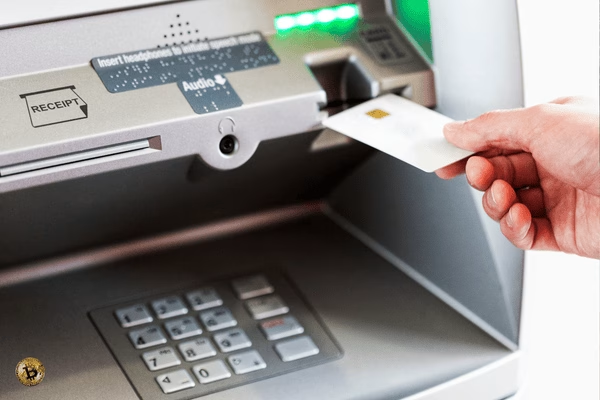
How To Protect Yourself Before Using A Bitcoin Atm
Although bitcoin ATMs offer a fast and convenient way to convert cash into cryptocurrency, they also come with risks that every user should understand before completing a transaction. Scammers often rely on urgency, social manipulation, or lack of digital literacy to trick victims into sending funds to fraudulent addresses. By learning how to identify red flags early, you can avoid becoming a target of these schemes.
Education and preparation are your best defenses. Simple steps like verifying wallet addresses, recognizing scam tactics, and avoiding isolated machines can make a significant difference. In this section, you’ll find practical tips for evaluating ATM safety, understanding scam signals, and making smarter decisions before engaging in any crypto-related transaction. The goal is to empower you with the right knowledge to stay ahead of fraud attempts and use bitcoin ATMs with confidence.
Verify Wallet Addresses Before Sending Funds
Before completing any transaction at a bitcoin ATM, take a moment to verify the wallet address you’re sending funds to. Scammers often use fake QR codes or pose as trusted contacts to redirect payments to their own accounts. These tactics are subtle but effective, especially when users are in a rush or feel pressured. Always compare the displayed address with the one you intend to use. If something looks unfamiliar or you weren’t expecting a request, pause and investigate. Once a crypto transaction is sent, it cannot be reversed. Taking a few extra seconds to confirm the address could save you from a costly and permanent mistake.
Under Know Your Customer (KYC) rules outlined in the Order Express BSA/AML Manual, any Bitcoin ATM transaction of 3,000 dollars or more, whether in a single transaction or combined total within 48 hours, requires the customer to provide valid photo identification. This requirement applies to help prevent misuse and to comply with federal regulations. In states like Arizona or Oklahoma, the ID threshold may be lower.
Order Express employees and agents must collect valid ID and report transactions above threshold amounts per KYC procedures in the BSA/AML Manual.
Know the Common Tactics Scammers Use
Scammers often use psychological pressure to manipulate their targets, especially during financial transactions. Their goal is to make you act fast, without giving you time to think clearly. Understanding how these tactics work can help you stay calm and avoid falling for schemes involving cryptocurrency or other payment requests.
Here are the most common scam tactics to watch for:
- Claims that you owe money to the IRS, police, or a court
- Threats of arrest, account closure, or service suspension
- Promises of high-return crypto investments with no risk
- Urgent messages from fake tech support demanding payment
- Instructions to use a bitcoin ATM to “secure” your account
To protect yourself, always slow down and verify the situation. Ask questions, double-check claims with official sources, and never send money based on pressure alone. Scammers thrive on panic, so staying calm can keep you safe. Educating yourself and sharing this knowledge with others strengthens your defense against fraud.
Choose Bitcoin ATM Locations With Caution
Not every bitcoin ATM offers the same level of safety, so choosing where you complete a transaction matters. Machines placed in unmonitored, poorly lit, or isolated areas can increase your risk of being targeted by scammers or thieves. Instead, look for ATMs located in well-lit public spaces, such as convenience stores, shopping centers, or bank lobbies.
These locations often have security cameras, regular staff, and brand recognition that help deter suspicious activity. Using a bitcoin ATM in a secure environment not only protects your transaction but also gives you peace of mind. Taking a few extra minutes to choose the right location can make your entire crypto experience safer and more reliable.
Conclusion
Dealing with a bitcoin ATM theft can be overwhelming, but the right response can make all the difference. With the rise of scams targeting unsuspecting users, understanding how to react, what tools to use, and who to contact is essential. Platforms like Bitquery empower victims to trace transactions, uncover fraud patterns, and take informed next steps.
Being proactive is key. From reporting the incident and securing your wallet to recognizing scam tactics and choosing safe ATM locations, each decision plays a role in your protection. Education and quick action are your strongest defenses in a fast-moving crypto environment. Whether you’re recovering stolen assets or preventing the next attack, the strategies outlined here give you the knowledge and tools to move forward with confidence.
The following section provides general guidance for users and should not replace formal compliance obligations.
FAQs
What should I do first after a bitcoin ATM scam?
Immediately secure your wallet, gather transaction records, and report the incident to law enforcement.
Can I trace where my Bitcoin went after fraud?
Yes. Tools like Bitquery can help track wallet activity and visualize transaction paths.
Will law enforcement investigate my case?
If you provide detailed records, local and cybercrime units may support your case.
How can I avoid bitcoin ATM scams?
Verify wallet addresses, ignore pressure tactics, and avoid isolated ATM locations.
Are stolen Bitcoin funds recoverable?
Recovery is not guaranteed, but quick action and blockchain forensics improve your chances.
Disclaimer: This article is for informational purposes only. All Order Express employees, agents, and users must comply with the Order Express BSA/AML Corporate Compliance Manual (Version 25.1). Any suspicious activity should be reported immediately through internal compliance channels. This article does not replace legal advice or official reporting procedures required by law.

Alvin is a Content and SEO Specialist who creates clear and helpful content about money transfers and payment systems. He focuses on making complex topics easy to understand so readers can learn how these services work in everyday situations.


