


Buying Bitcoin with cash is quick and convenient when using a Bitcoin ATM. But do you need to show ID? If you’re planning a visit to one of these machines, it helps to know what’s required before you get there. Whether you’re a first-timer or looking to make a larger purchase, here’s what you need to know.
In many cases, small transactions require only basic personal details. But once your total hits certain thresholds, identification becomes necessary. Here’s a breakdown of what to expect and how to keep your transaction smooth from start to finish.
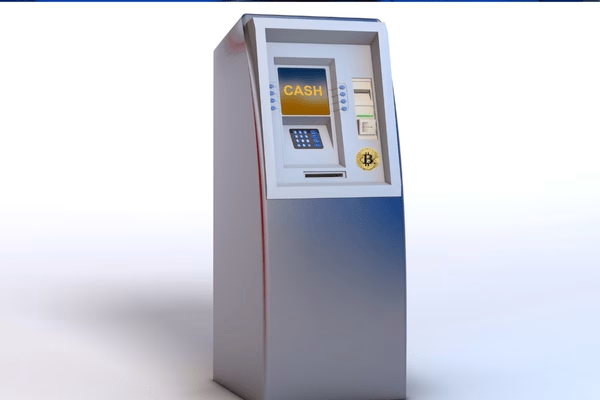
Everything You Need to Know Before Using a Bitcoin ATM
Before you head to a bitcoin ATM, knowing what to expect can save you time and avoid unnecessary frustration. These machines are designed to be user-friendly, but depending on how much you plan to buy, the process can range from simple to highly regulated. Identification requirements are structured into tiers based on the amount of your transaction.
Whether you’re making a quick purchase under $1,000 or converting a larger sum of cash into crypto, different rules apply. Government-issued IDs, Social Security numbers, and even customer support calls may come into play. By preparing in advance and bringing the right documentation, you can ensure your transaction goes smoothly and stays compliant with current financial laws.
Do You Need Identification to Use a Bitcoin ATM?
Whether or not you need identification at a bitcoin ATM depends on how much you plan to purchase. These machines operate using a tiered system that adjusts verification requirements based on the transaction amount. Smaller purchases typically require only your name, date of birth, and mobile number. You’ll receive a text message to confirm your identity before completing the transaction.
As your transaction total increases, so do the verification steps. Mid-range amounts require a valid photo ID, which is scanned for accuracy and may involve a photo check for added security. For higher purchases, you’ll be asked to provide your Social Security number and complete an identity verification call before proceeding. These measures are designed to ensure each transaction aligns with financial regulations and helps prevent misuse. Preparing the necessary information before your visit allows you to move through the process efficiently while staying compliant with legal standards.
What Forms of ID Are Accepted?
When using a bitcoin ATM for moderate to large transactions, identification becomes essential. The machine must confirm your identity to meet regulatory standards and protect against fraudulent activity. Depending on how much you’re purchasing, the type of ID you provide will vary, and certain forms are accepted more widely than others.
Here are common types of government-issued IDs that are typically accepted:
- Driver’s license
- State-issued ID card
- Passport or passport card (may require additional verification)
- Tribal ID with full name, date of birth, and a photo
- Employment Authorization Card (valid for specific transaction tiers only)
Some of these documents may trigger a secondary review process, especially if the transaction is near a high-value threshold. Always check that your ID is valid and clearly legible to avoid delays.
Bringing the correct ID helps streamline your transaction and reduces the chance of being declined at the machine. This extra step supports secure usage while maintaining compliance with financial regulations. Preparation ensures a faster, smoother experience from start to finish.
Why These Requirements Exist
Bitcoin ATMs are regulated under financial laws that require customer verification. These rules help prevent fraud, money laundering, and other illegal activities. Operators must comply with Know Your Customer (KYC) and Anti-Money Laundering (AML) standards. That’s why the information required increases with the transaction size.
For example, any cash transaction over $10,000 requires a Currency Transaction Report (CTR) to be filed with the government. If a user seems to be splitting transactions to avoid these thresholds, a Suspicious Activity Report (SAR) may also be filed.
What You Should Bring
If you’re planning to use a bitcoin ATM, showing up with the right tools can make your transaction fast and stress-free. These machines are designed for convenience, but like any financial tool, being prepared helps avoid delays or errors. Knowing what to bring before you leave the house keeps the process moving smoothly.
Here’s a quick checklist of what to bring with you:
- A mobile phone to receive and confirm SMS verification
- A government-issued photo ID if your transaction exceeds $960
- A crypto wallet address or a printed QR code
- Cash in bill form only, as coins and cards are not accepted
Some machines may also ask you to take a selfie for verification, especially if you’re completing a higher-tier transaction. This added step is part of the identity confirmation process to help keep your activity secure.
Completing your transaction at a bitcoin ATM is simple when you’re well prepared. By having these items ready, you reduce the chances of errors and speed up your time at the machine. This approach not only saves time but also helps ensure your transaction meets required security standards.
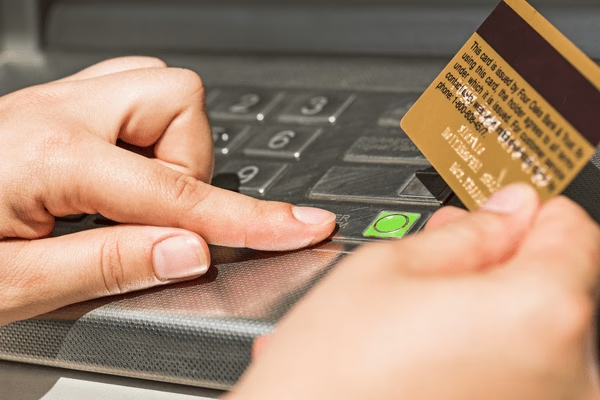
Confidently Handle Your Next Bitcoin ATM Transaction
Using a bitcoin ATM can be a convenient way to buy or sell cryptocurrency, but preparation makes all the difference. From checking machine locations to understanding transaction limits, each step plays a role in making your experience efficient and secure. Knowing what to bring, how to verify your identity, and what to expect after the transaction gives you greater control. Whether you’re making a small purchase or a larger investment, taking the time to learn the process will help you avoid delays and ensure your funds are handled properly. This guide walks you through key stages of using a bitcoin ATM, helping you stay informed, confident, and compliant every step of the way.
How to Prepare for a Bitcoin ATM Visit the Smart Way
Before heading to a bitcoin ATM, make sure you have everything you need for a smooth and fast experience. Start by confirming the location of the machine and understanding its transaction limits so you’re not caught off guard. A quick review of current rates and fees can also help you plan your cash amount accurately.
Preparation can also reduce delays or failed transactions. Have your crypto wallet app ready to scan a QR code or generate one for receiving bitcoin. Bring valid identification if your transaction exceeds $960 to meet compliance requirements.
What Happens After You Use a Bitcoin ATM
Once your transaction is complete at a bitcoin ATM, the funds will be sent directly to your wallet or dispensed as cash depending on your action. You will usually receive a printed or digital receipt with the transaction ID for tracking purposes. It’s a good idea to double-check your wallet for confirmation of the transfer before leaving the machine.
If something goes wrong, most providers offer a support number printed on the receipt. Keep that information in case you need to resolve an issue later. Having a paper trail can be crucial for resolving discrepancies or delays.
Know the Legal Limits Before You Transact at a Bitcoin ATM
Every bitcoin ATM operates under strict regulatory limits that influence how much you can buy or sell in one visit. U.S. laws require ATM operators to file reports on transactions over $10,000 and flag anything that appears suspicious. These legal thresholds are in place to protect against fraud and criminal activity.
Before starting a large transaction, it’s smart to review the ATM’s posted limits and understand the process. If you plan to make high-volume purchases, you may be asked for your Social Security number and to speak with customer support first. Following the rules ensures your transaction is successful and keeps your information secure.
Conclusion
Using a bitcoin ATM is a simple and accessible way to convert cash into cryptocurrency, but a smooth experience begins with preparation. Knowing the verification tiers, what forms of ID are accepted, and what to bring helps prevent delays. Each transaction level has different requirements, so understanding these ahead of time allows you to complete your activity quickly and confidently.
Whether you’re handling a small amount or a larger transaction, the key is to arrive informed and ready. Have your wallet set up, identification documents in hand, and know the legal thresholds tied to your purchase. With the right tools and knowledge, you can navigate the process efficiently while staying compliant and secure. Taking just a few minutes to prepare puts you in control of your bitcoin ATM transaction from start to finish.
FAQs
Do all bitcoin ATMs require an ID?
Not all do. ID requirements depend on how much you plan to purchase.
Can I use a bitcoin ATM without a smartphone?
No. A smartphone is needed for SMS verification and wallet access.
What happens if my ID is expired?
An expired ID will likely be rejected. Bring a valid and current document.
Can I use a credit card at a bitcoin ATM?
No. Most machines only accept cash in bill form for transactions.
Is there a daily limit for bitcoin ATM transactions?
Yes. Daily limits vary by machine and often require added verification.

Alvin is a Content and SEO Specialist who creates clear and helpful content about money transfers and payment systems. He focuses on making complex topics easy to understand so readers can learn how these services work in everyday situations.


