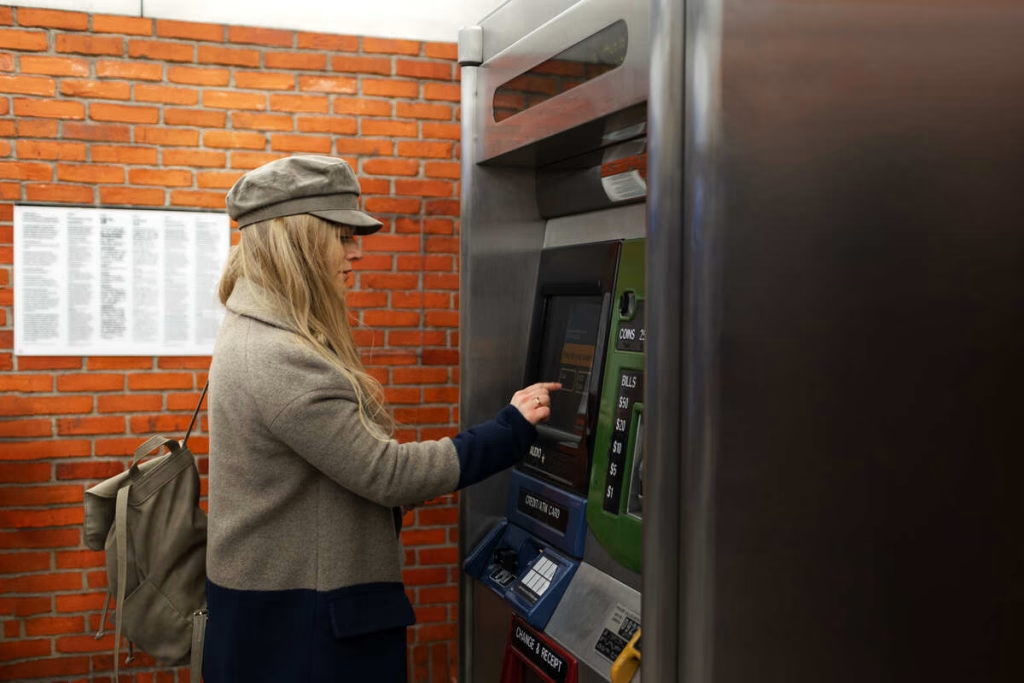
Sending Bitcoin in person, especially through a Bitcoin ATM, operates a bit differently than what most people are used to with traditional payment methods. Unlike swiping or tapping a debit or credit card, where funds are cleared in seconds by a financial institution, Bitcoin transactions follow a more complex process known as confirmation. This extra step ensures the transaction is securely added to the blockchain and verified by the network.
At a bitcoin ATM, the experience is simple but still follows the same core process. Once you complete your transaction at the machine, the Bitcoin you send needs to be verified by the network. This typically takes minutes to over an hour. The more congested the network, the longer it may take. While you’re not waiting in line at the machine, it’s important to know your transaction isn’t final until it’s confirmed on the blockchain. This ensures security and accuracy, making sure your Bitcoin reaches its destination safely.
Key Takeaways
- Typical Transaction Times: Bitcoin transfers usually take minutes to process.
- Common Causes of Delays: Slowdowns often result from network congestion or setting transaction fees too low.
- How to Speed Things Up: Opting for a transaction fee can help accelerate confirmations and reduce wait times.

Understanding Bitcoin Transactions at ATMs: What You Need to Know
Using a Bitcoin ATM may seem as simple as inserting cash and scanning a QR code, but there’s a powerful and intricate process happening in the background. Once you hit “send,” your transaction enters the global Bitcoin network, where it undergoes a series of validations to ensure it’s legitimate, secure, and properly recorded. This behind-the-scenes process involves your digital wallet, miners, and a system designed to prevent fraud or double spending.
Understanding what happens after you use a Bitcoin ATM can help you manage expectations and avoid confusion. Whether you’re wondering how long it takes for your transaction to go through or how to track it in real time, knowing the steps involved can give you peace of mind. The key factors, such as transaction fees and network congestion, play a big role in how fast your Bitcoin arrives. With the right tools and knowledge, you can stay in control of your crypto experience from start to finish.
What Happens When You Send Bitcoin at a Bitcoin ATM?
Using a Bitcoin ATM to send crypto is a quick, secure way to initiate a blockchain transaction. After completing the steps on the ATM, your wallet generates a unique transaction and signs it with your private key. This digital signature proves ownership and authorizes the transaction to move forward. From there, your transaction is broadcast across the Bitcoin network to begin the confirmation process.
Once on the network, your transaction goes through several critical stages before it’s finalized. Here’s what happens behind the scenes:
- The network checks to ensure your Bitcoin hasn’t been spent before (to prevent double-spending).
- Your transaction enters the mempool, a waiting area for unconfirmed transactions.
- Miners pick transactions from the mempool, starting with the ones that offer higher fees.
- Selected transactions are grouped into a block, created about every 10 minutes.
- Once added to a block, your transaction receives its first confirmation.
- Most services wait for 3 to 6 confirmations before fully accepting the funds.
Every confirmation your transaction receives makes it increasingly secure. Most Bitcoin users wait for multiple confirmations to protect against fraud or accidental double-spending. Choosing the right fee can influence how quickly your transaction is picked up, so it’s a smart move to check fee recommendations before confirming your send. Understanding these mechanics puts you in better control of your Bitcoin ATM experience.
How Long Does a Bitcoin Transaction Take at a Bitcoin ATM?
When you send Bitcoin using a bitcoin ATM, the transaction doesn’t happen instantly. On average, it takes about 10 to 60 minutes for the network to confirm your transaction. The exact time depends on how busy the Bitcoin network is and the fee included with the transaction. Higher fees generally mean faster processing, as miners are more likely to prioritize those transactions.
If the network is congested and a lower fee was used, your transaction might take several hours or more to confirm. In some rare cases, it can even be delayed for over 24 hours. Keep in mind that some services may require multiple confirmations before the Bitcoin is fully available in the recipient’s wallet, which can also add time. When using a bitcoin ATM, it’s helpful to understand that while your part at the machine is quick, the network behind it needs time to do its job securely.
How to Check Bitcoin Transaction Time from a Bitcoin ATM
Once you’ve completed a Bitcoin transaction through a Bitcoin ATM, it’s natural to want to track its progress. Confirmations on the blockchain can take time, especially if network traffic is high or if the transaction fee was on the lower side. The good news is that you can easily monitor the status of your transaction in real-time using a free tool called a block explorer.
Block explorers are online platforms that show detailed information about Bitcoin transactions. They give you instant visibility into how many confirmations your transaction has received and how the network is behaving. Here’s what you’ll need and what you’ll see:
- Transaction ID (TXID): Found in your wallet or ATM receipt
- Block Explorer Website: Examples include Blockchain.com or Blockstream.info
- Confirmation Count: Shows how many blocks have validated your transaction
- Fee Information: Helps estimate how much longer it might take
- Network Status: Lets you see current congestion and other pending transactions
To use a block explorer, simply copy and paste your transaction ID into the search bar on the site. Within seconds, you’ll get a complete view of your transaction’s status. This includes whether it’s still pending or already confirmed. For more accurate predictions, choose a block explorer that also displays fee-related insights and estimated processing times. This puts you in control and eliminates the guesswork.

Mastering Bitcoin ATM Delays: Causes, Fixes, and Prevention
Bitcoin ATMs offer a fast and convenient way to send cryptocurrency, but users are often surprised when transactions take longer than expected. While the process might seem instant, several behind-the-scenes factors determine how quickly your funds are confirmed on the blockchain.
From network congestion to miner preferences and wallet features, even small details can affect your transaction’s timing. Whether you’re dealing with delays or trying to avoid them altogether, understanding how Bitcoin ATMs interact with the network is key. Here’s what influences transaction speed, and how you can take control.
What Affects Bitcoin Transaction Speed at a Bitcoin ATM?
When sending Bitcoin through a Bitcoin ATM, the transaction speed isn’t always instant, and several important variables determine how fast it will go through. One of the most common causes of delays is network congestion. When the blockchain is overloaded with traffic, it takes longer for miners to confirm each transaction. Another major factor is the transaction fee. Higher fees typically lead to faster processing because miners prioritize transactions that offer them better rewards.
To help your transaction confirm faster, you need to understand what can slow it down. Here are the key influencers:
- Network congestion: More users mean more wait time during peak hours.
- Transaction fee level: Low fees make your transaction less attractive to miners.
- Transaction complexity: Larger or multi-input transactions may take longer to validate.
- Confirmation requirements: Some services or wallets require more confirmations than others.
- Fee selection options at the ATM: Many Bitcoin ATMs let you set your fee or auto-adjust based on current traffic.
Choosing the right fee upfront is one of the smartest moves you can make at the ATM. If you want your transaction to complete quickly, don’t settle for the lowest fee available. Instead, review the network status before confirming and select a fee that strikes the right balance between speed and cost. It’s a simple but effective way to avoid unnecessary delays and ensure your Bitcoin reaches its destination promptly.
Why Is My Bitcoin Transaction Taking So Long After Using a Bitcoin ATM?
If your Bitcoin transaction is still pending after using a bitcoin ATM, don’t panic, there are a few common reasons for the delay. The most likely cause is a low transaction fee, which means miners may be skipping over it in favor of transactions with higher payouts. Another factor could be heavy network traffic. When a lot of people are sending Bitcoin at the same time, it takes longer for each transaction to be confirmed. In some cases, the transaction itself might be large or complex, which can also slow things down.
Some wallets or services automatically block very low-fee transactions, while others will still broadcast them, but those may sit in the mempool for hours without being picked up. If your transaction is stuck, there are tools that might help. Features like RBF (Replace-by-Fee) allow you to resend the transaction with a higher fee. Another option is CPFP (Child Pays for Parents), which creates a new transaction that helps push the original one through. Not all wallets support these options, so it’s helpful to review your wallet settings before making large transactions.
Can I Speed Up a Bitcoin Transaction from a Bitcoin ATM?
Yes, you can speed up a Bitcoin transaction, but it depends on the tools your wallet offers after using a bitcoin ATM. One of the most effective ways is to choose a higher transaction fee before sending. This increases the chances that miners will pick your transaction sooner, since they prioritize based on how much they’ll earn per byte of data processed.
If your wallet supports features like Replace-by-Fee (RBF), you can resend the same transaction with a higher fee to push it through faster. In some cases, if you’ve already sent the transaction and it’s stuck, all you can do is wait, many delays clear up within an hour or two, especially if the network traffic eases up. To avoid future delays, consider using a wallet that allows manual fee adjustments or offers smart fee suggestions based on current network conditions. This gives you more control and helps ensure quicker confirmations.
Conclusion
Sending Bitcoin through a bitcoin ATM is fast and simple, but the final confirmation still depends on the Bitcoin network. Factors like network traffic and transaction fees can cause delays, but knowing how the system works helps you stay ahead. Tools like block explorers let you monitor progress, and using a wallet that supports fee adjustments can make a big difference. If you’re in a hurry, services like Order Express at the ATM can help streamline the experience. With a little preparation and the right fee, you can ensure your Bitcoin reaches its destination quickly and securely.
Compliance Note: Any Bitcoin ATM operated under or in affiliation with Order Express, Inc. must comply with all applicable federal and state regulations, including the Bank Secrecy Act (BSA) and FinCEN requirements for Money Services Businesses (MSBs). This includes registering as an MSB, implementing a written AML program, performing customer identification (KYC) for transactions equal to or exceeding $3,000, filing Currency Transaction Reports (CTRs) for cash transactions over $10,000, and submitting Suspicious Activity Reports (SARs) for any transactions that appear structured or otherwise illicit. All users must be screened against the OFAC list, and records must be retained for a minimum of five years. Failure to comply may result in significant civil and criminal penalties.
For more information on our compliance policies, visit our Compliance & Regulatory Information Page (cumplimiento-usa@orderexpress.com).
FAQs
How long does it take to send Bitcoin from a Bitcoin ATM?
It usually takes 10 to 60 minutes, depending on network traffic and your chosen transaction fee.
Can I speed up a Bitcoin transaction after sending?
Only if your wallet supports options like Replace-by-Fee or Child Pays for Parents.
Why is my Bitcoin transaction still pending?
Your fee might be too low or the Bitcoin network may be heavily congested at the time.
How can I check my Bitcoin transaction status?
Use a block explorer with your transaction ID to track confirmations in real time.
What fee should I use for faster Bitcoin processing?
Choose a higher fee when prompted, this helps miners prioritize your transaction quickly.

John is a Content & SEO Specialist who enjoys breaking down complex financial topics, like cross-border payments and money transfers, into content that’s easy to understand. He focuses on creating practical, search-driven content that helps people find answers and make informed decisions.