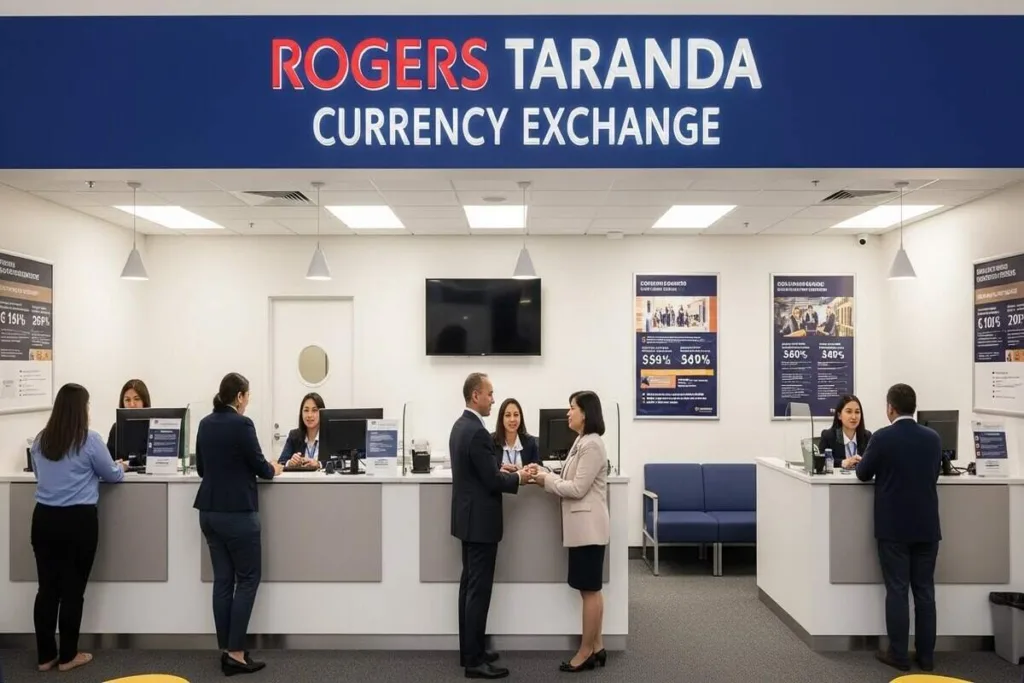
Consumers define currency exchange services by how clearly rates, fees, accessibility, and transaction speed support everyday financial needs. These services help individuals convert one currency into another when traveling, sending money, or making international purchases online.
Understanding what defines a reliable service allows first-time users to avoid unnecessary costs and make confident transaction decisions. For a broader overview of how everyday currency exchange services work, visit the pillar page on Currency Exchange Process And Practical Use For Customers.
Note: Order Express operates in compliance with applicable federal and state regulations governing money services businesses. Consumers are entitled to receive clear disclosures of fees and exchange rates before completing a transaction.

How Do Accessibility And Service Availability Define Currency Exchange Services?
Accessibility and service availability define how easily consumers can access and use currency exchange services in everyday situations worldwide. These elements determine whether users can find locations or platforms that support their required currencies and transaction types quickly and reliably.
They also influence decisions by shaping convenience, reducing delays, and ensuring consumers can complete exchanges without unnecessary complications or additional service limitations. This makes accessibility and availability central to service choice.
Note: Order Express monitors transactions for unusual activity and files Suspicious Activity Reports (SARs) with FinCEN when required, ensuring secure and compliant currency exchange services. Find a licensed location using the official Order Express branch locator.
What Accessibility Means For Everyday Users
Accessibility defines how easily consumers can locate, access, and use currency exchange services across physical locations or digital platforms. This includes availability in airports, malls, banks, and mobile apps that allow users to complete transactions quickly and conveniently.
Note: Accessibility refers to how easily a user can initiate and complete a currency exchange without unnecessary delays or barriers.
Consumers typically evaluate accessibility through several practical considerations before choosing a service provider for their currency exchange needs:
- proximity to exchange locations when traveling or commuting regularly
- availability of online platforms for remote or mobile transactions
- operating hours that match personal schedules and urgent transaction needs
Consumers who want to understand the organization behind these services can review operational standards on the Order Express about us page.
How Service Availability Impacts Transaction Decisions
Service availability defines whether a provider supports the specific currencies and transaction types consumers require for their intended financial activities. Not all providers support every currency, so availability directly influences whether a consumer can complete a transaction without additional steps. Consumers often prioritize providers that support both major currencies and less common ones depending on their travel or remittance requirements.
Note: Service availability includes supported currencies, transaction limits, and whether services operate consistently without unexpected interruptions or restrictions.
According to Federal Reserve foreign exchange rate data, currency availability often aligns with global demand and trading activity.

How Do Pricing Structures And Transparency Shape Consumer Choices?
Pricing structures and transparency shape how consumers evaluate the true cost of currency exchange services before committing to any transaction. These elements determine how clearly providers present exchange rates, fees, and final amounts that users will receive after completing conversions.
Consumers rely on transparent pricing to compare options confidently, avoid hidden charges, and ensure value received aligns with expectations and financial goals during transactions. Clear pricing builds trust and confidence.
What Pricing Structures Include In Currency Exchange
Pricing structures define how much consumers pay through exchange rates, service fees, and additional charges applied during the transaction process. The exchange rate determines the value received, while fees reduce the total amount delivered after completing the conversion transaction. Consumers must understand both components because providers may advertise favorable rates while embedding higher service fees within the transaction process.
To evaluate pricing structures effectively, consumers should examine the following key elements before committing to a transaction:
- the offered exchange rate compared with the current market reference rate
- any fixed or percentage-based service fees applied to the transaction
- additional charges for urgency, delivery method, or payment processing
As explained by the Consumer Financial Protection Bureau guidance on sending money abroad, comparing total transaction costs helps consumers make informed financial decisions.
Why Transparency Is Critical For Trust
Transparency defines how clearly a provider communicates rates, fees, and final amounts before a consumer confirms a currency exchange transaction. Transparent services display the exact amount the recipient will receive, eliminating confusion and reducing the risk of unexpected financial outcomes.
Note: Transparency means providing full cost breakdowns upfront so consumers can make informed decisions without hidden or unclear charges.
Consumers often favor providers that show real-time calculations, clear breakdowns, and no hidden conditions affecting the final exchanged amount received.
According to FDIC Money Smart consumer education resources, clear financial disclosures help users better understand transaction outcomes and avoid confusion.
What Reliability Means In Currency Exchange Services
Reliability defines whether a service consistently delivers accurate exchange amounts and completes transactions within expected timeframes without errors or delays. Consumers rely on services that process transactions securely and ensure funds reach the intended recipient without complications or unexpected interruptions.
Note: Reliability includes transaction accuracy, system stability, and consistent delivery performance across different currencies and payment methods.
Reliable services typically demonstrate strong operational practices, including secure processing systems and consistent fulfillment of promised delivery timelines for consumers.
Financial institutions operate under regulatory expectations outlined by FinCEN anti-money laundering guidance, which governs compliance and monitoring responsibilities.
How Transaction Experience Affects Consumer Satisfaction
Transaction experience defines how smooth, intuitive, and efficient the overall process feels from initiation to completion of the currency exchange transaction. A positive experience includes simple interfaces, quick confirmations, and clear instructions that guide users through each step without confusion or hesitation. Consumers prefer services that minimize friction, reduce processing time, and provide clear updates throughout the transaction lifecycle for better confidence.
Key elements that shape transaction experience include the following factors that directly influence user satisfaction and repeat service usage decisions:
- ease of navigation across digital or physical service interfaces
- speed of transaction processing and confirmation updates
- clarity of instructions and support availability when issues arise
Consumers looking for integrated services can also explore secure transfer options through the Order Express money transfer services page.
How Security Reinforces Consumer Confidence
Security defines how well a currency exchange service protects personal data, payment information, and transaction integrity against fraud or unauthorized access. Consumers expect providers to use encryption, verification processes, and compliance standards to ensure safe handling of sensitive financial information.
Note: Security measures include identity verification, secure payment channels, and fraud prevention systems protecting both sender and recipient funds.
Strong security practices build trust and encourage consumers to use a service repeatedly for future currency exchange transactions without hesitation.
U.S. Treasury oversight principles are outlined in the U.S. Treasury exchange rate policy guidance, supporting financial system stability and transparency.
Key Takeaways
- Currency exchange services for consumers are defined by accessibility, pricing transparency, service availability, reliability, and overall transaction experience quality.
- Consumers should evaluate providers based on how clearly costs are presented, how easily services can be accessed, and how reliably transactions are completed.
- Understanding these defining factors helps individuals choose services that align with their needs when converting currency for travel or financial transfers.
Conclusion
Currency exchange services become easier to evaluate when consumers focus on accessibility, transparent pricing, and reliable transaction performance. Clear understanding of these factors helps users avoid hidden costs and complete exchanges with greater confidence and financial control. Order Express supports these expectations by maintaining compliance, secure processing standards, and consistent service availability for everyday transactions.
Their commitment to regulatory practices ensures each exchange meets strict requirements for safety, accuracy, and operational transparency across all services. Consumers benefit from choosing providers that combine convenience, clarity, and strong security measures for every transaction they complete. Take the next step by visiting an Order Express location to experience secure, transparent, and efficient currency exchange services today.
Disclaimer: This article provides general educational information about currency exchange services and does not constitute financial advice or specific service recommendations.
Order Express is registered with the Financial Crimes Enforcement Network (FinCEN) as a Money Services Business (MSB) under the Bank Secrecy Act (BSA). We strictly follow Know Your Customer (KYC), Anti-Money Laundering (AML), and record retention requirements. These practices ensure that all financial transactions are secure, transparent, and compliant with federal and state regulations.
FAQs
What defines a good currency exchange service?
A good service offers transparent pricing, reliable transactions, strong security measures, and easy access across locations or digital platforms.
How can I avoid hidden fees when exchanging currency?
Always review the full cost breakdown, including exchange rates and service fees, before confirming any transaction with a provider.
Why is service availability important in currency exchange?
Service availability ensures you can exchange the required currency without delays or needing additional providers to complete your transaction.
How do I know if a currency exchange provider is secure?
Check for compliance practices, encryption, identity verification processes, and clear policies that protect your financial information during transactions.
What should I compare before choosing a provider?
Compare exchange rates, service fees, accessibility, transaction speed, and transparency to select the most suitable currency exchange service.

Alvin is a Content and SEO Specialist who creates clear and helpful content about money transfers and payment systems. He focuses on making complex topics easy to understand so readers can learn how these services work in everyday situations.