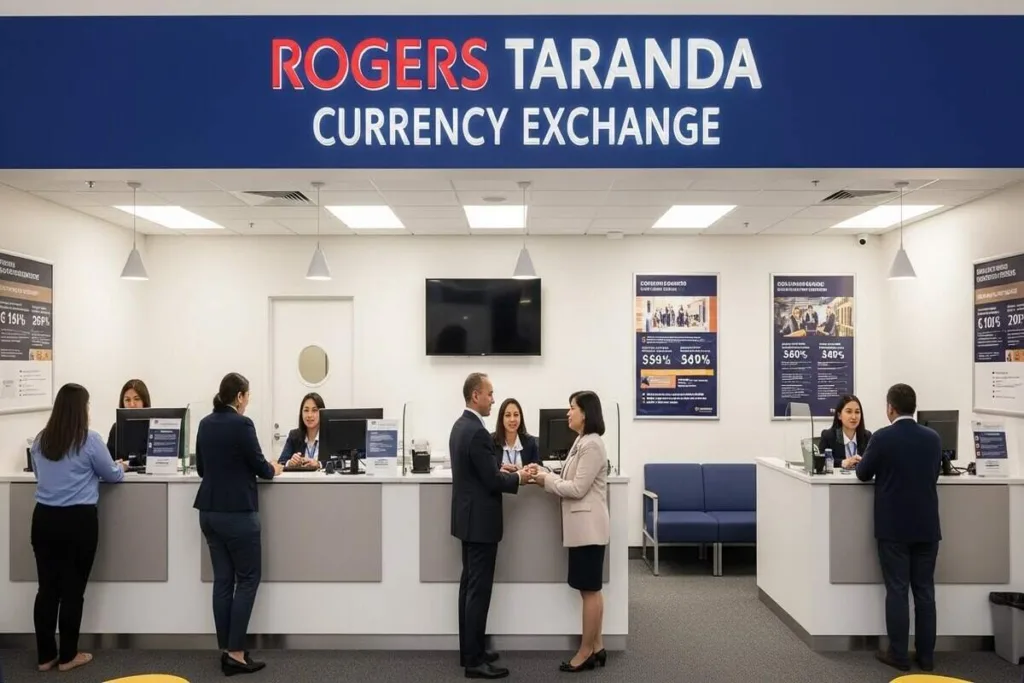
Currency exchange services allow individuals and businesses to convert one currency into another through regulated financial providers using current market-based rates. These services are essential for international travel, cross-border payments, and managing expenses in different currencies where local cash is required.
Market volatility and exchange rate fluctuations can influence how much value customers receive during a transaction, especially when foreign currency exchange rates change rapidly due to global economic activity, especially when rates change frequently due to global economic activity. For broader guidance on retail currency exchange, customers can review resources that explain how regulated providers support everyday transactions.
How Market Volatility Affects Currency Exchange Rates
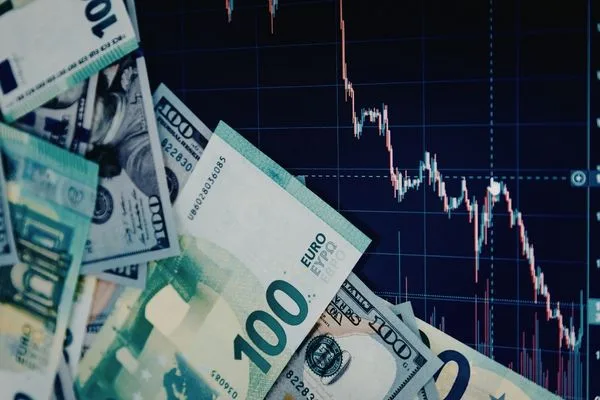
Market volatility reflects how quickly and unpredictably exchange rates move due to economic, political, or financial changes. These movements affect how much value you receive when converting funds, especially when preparing for international travel or managing overseas expenses. Even small exchange rate fluctuations can impact total amounts, especially for customers monitoring USD to peso exchange rate changes or preparing for international travel expenses, making timing and awareness important for everyday exchange decisions.
Understanding currency exchange volatility helps customers avoid relying on assumptions about fixed rates or expecting foreign exchange markets to remain stable throughout the day. Licensed providers calculate exchange values based on current market conditions at the time of service, not prior expectations. This structure supports transparency and accuracy, while reinforcing that exchange outcomes depend on real-time factors rather than guaranteed pricing.
Why Exchange Rates Change Frequently
Exchange rates change because currency exchange markets respond continuously to global economic signals and investor behavior. When demand for one currency increases or decreases, its relative value shifts against others, affecting conversion outcomes. This means the amount received when converting dollars to pesos or other currencies can vary even within the same day.
For everyday customers, these changes matter most when planning ahead. Monitoring general trends using sources such as the Federal Reserve H.10 exchange rate data helps set expectations, but final rates are always determined at the time of transaction. Licensed providers apply current rates to ensure consistency and compliance with financial service standards, rather than allowing informal or negotiated pricing.
How Timing Affects Your Exchange Outcome
Timing plays a practical role in currency exchange decisions because rates fluctuate throughout the day based on market activity. Exchanging funds during a favorable rate period can increase the amount received, while poor timing may reduce overall value. This is especially relevant for travelers converting larger amounts before departure.
Customers preparing for exchanges should focus on readiness rather than attempting to predict exact market movements. Reviewing broader currency insights from the U.S. Treasury exchange rate analysis helps provide context. Since providers apply real-time rates at the counter, preparation supports smoother transactions without relying on uncertain timing strategies.
The Role Of Global Events In Currency Value
Global events such as economic reports, geopolitical developments, or changes in interest rates can influence currency exchange values. These factors affect how currencies perform relative to each other, which directly impacts conversion results for individuals exchanging funds.
For example, travelers preparing for international expenses may notice rate differences before and after major announcements. While customers cannot control these shifts, awareness helps explain why rates vary. Educational resources like the FDIC Money Smart program provide general financial context that supports informed decision-making.
Practical Ways To Monitor Exchange Rate Trends
Customers can monitor exchange trends by reviewing publicly available financial data or provider rate displays before completing a transaction. Currency exchange values are typically updated frequently to reflect current market conditions, helping customers make informed decisions without relying on outdated information.
Practical ways to stay informed include:
- Checking provider rate boards or online updates before visiting a location.
- Comparing recent rate movements over several days.
- Planning exchanges in advance of travel dates.
- Asking general questions at the counter for clarification.
These steps support better preparation while keeping expectations realistic. Customers should remember that final rates are confirmed at the time of exchange and follow standardized provider practices.
Making Practical Currency Exchange Decisions During Volatile Markets
Volatile markets require a practical approach rather than reactive decision-making. Customers benefit from focusing on preparation, timing flexibility, and understanding how exchange services operate within regulated environments. This reduces uncertainty and helps ensure smoother transactions when converting funds for travel or international use.
Licensed currency exchange providers follow structured processes that prioritize accuracy, verification, and transparency. These processes remain consistent regardless of market conditions, meaning customers should expect the same steps even when rates fluctuate. Understanding this framework helps individuals approach exchanges with confidence and avoid unnecessary delays.
When To Exchange Currency Before Travel
Exchanging currency ahead of travel can help reduce uncertainty, especially when currency exchange rates show frequent movement. Preparing early allows travelers to secure funds for immediate expenses such as transportation, meals, or small purchases upon arrival.
However, timing decisions should remain practical rather than speculative. Customers often choose to exchange part of their funds in advance while leaving flexibility for later needs. This approach balances preparation with awareness that rates may continue to change. Licensed providers calculate rates at the time of service, ensuring transactions reflect current conditions.
Balancing Risk And Convenience In Exchange Decisions
Balancing risk and convenience means deciding whether to exchange funds now or wait for potential rate changes. Currency exchange decisions should prioritize usability and timing needs rather than attempting to predict market behavior with certainty.
For example, travelers with fixed departure dates often prioritize having usable cash over waiting for marginal rate improvements. This approach reduces last-minute pressure and ensures funds are available when needed. Licensed providers support this process by offering clear transaction steps and confirming details before completion.
Choosing Reliable Exchange Methods During Volatility
Choosing a reliable method becomes more important when rates fluctuate, as structured services help ensure consistency and transparency. Customers should rely on licensed providers rather than informal or unverified options when converting funds.
Customers can explore the different services offered by regulated providers to understand their structured exchange options.
Reliable methods typically include:
- In-person exchange services with clear transaction review.
- Account-based or structured financial service providers.
- Locations that provide receipts and documentation.
These options help customers convert cash securely while maintaining compliance with applicable financial service standards.
Understanding Provider Responsibilities And Compliance
Currency exchange services operate within regulated frameworks designed to promote transparency and lawful financial activity. Providers follow Money Services Business (MSB) requirements under Anti-Money Laundering (AML) regulations and the Bank Secrecy Act (BSA), including customer verification, transaction monitoring, documentation procedures, recordkeeping, and reporting obligations where applicable. Additional regulatory context can be reviewed through the FinCEN guidance resources, which outline obligations applied to financial institutions.
Customers should understand that these requirements are applied consistently and are not influenced by market conditions or personal preference. Identification or additional documentation may be requested depending on transaction size, transaction characteristics, or applicable regulatory thresholds, and all compliance decisions are handled by the provider.
Licensed MSB providers follow FinCEN regulatory requirements designed to support lawful financial transactions, customer protection, and transparent exchange procedures.
This structure ensures customers can exchange foreign currency within a controlled and standardized environment while supporting financial recordkeeping and reporting requirements required by applicable regulations. Customers may visit nearby branch locations to access in-person support when completing transactions.
With over 30 years of experience providing financial services across the United States, Order Express operates licensed locations that follow established regulatory standards for currency exchange and money service transactions. Structured procedures, compliance controls, and customer verification processes help support secure and transparent exchange services.
Conclusion
Market volatility affects currency exchange decisions by influencing how much value customers receive during conversion. Exchange rates change frequently due to global conditions, making timing and preparation important for everyday transactions. Customers who monitor trends, plan ahead, and understand provider processes can approach exchanges with greater clarity and fewer surprises.
Practical decision-making focuses on readiness rather than prediction. Licensed providers apply real-time rates, structured procedures, and compliance requirements consistently, regardless of market conditions. By understanding how volatility works and preparing accordingly, customers can convert funds confidently for travel, international expenses, or general financial needs.
Consider using a licensed currency exchange provider to convert funds accurately while following standard financial service procedures.
Reviewed by financial compliance specialists and licensed financial service professionals.
Educational Disclaimer: This content is provided for general informational purposes only and does not constitute legal, financial, or regulatory advice.
Frequently Asked Questions
How does market volatility affect currency exchange rates?
Market volatility causes exchange rates to fluctuate frequently, which can change how much foreign currency you receive.
Should I wait for better rates before exchanging money?
Waiting may help in some cases, but timing the market is uncertain and not always practical.
Is it better to exchange currency before or after travel?
Many travelers exchange some funds beforehand to ensure immediate access to usable cash upon arrival.
Do exchange rates stay the same throughout the day?
No, exchange rates can change throughout the day based on market activity and global financial conditions.
Are currency exchange services regulated?
Yes, licensed providers operate under financial regulations designed to support transparency and secure transaction handling.

Alvin is a Content and SEO Specialist who creates clear and helpful content about money transfers and payment systems. He focuses on making complex topics easy to understand so readers can learn how these services work in everyday situations.