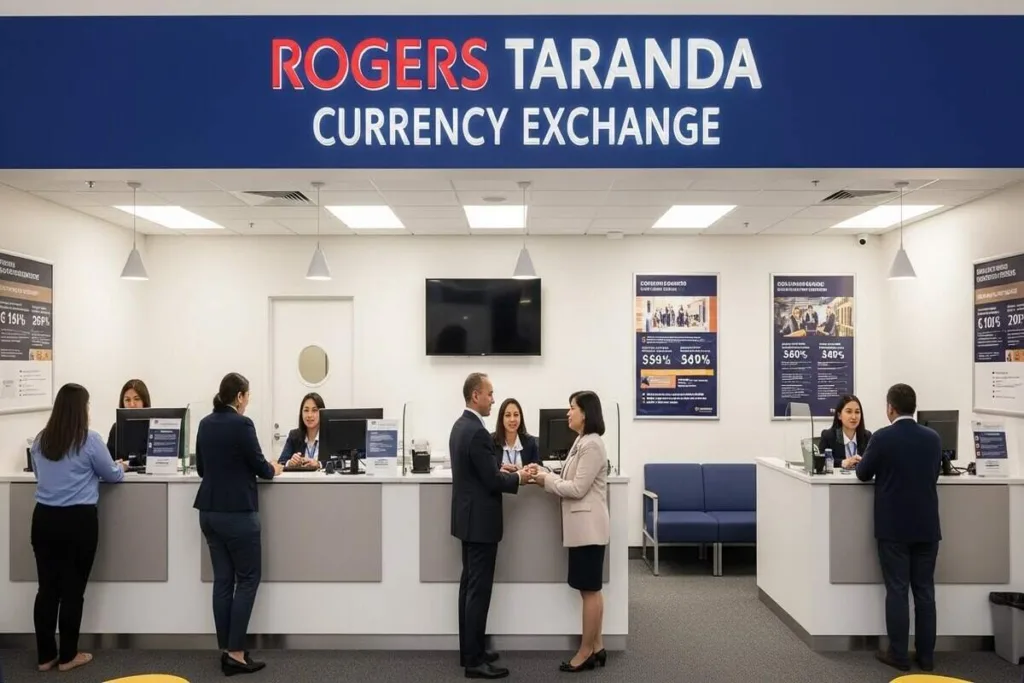
Currency exchange services allow customers to exchange foreign currency by converting one country’s physical currency into another through regulated financial providers through regulated financial providers that apply verification and handling procedures based on their own operational and regulatory requirements. These services are essential for international travel, cross-border expenses, and managing foreign cash that cannot be used directly in local transactions. For additional context, customers can review general currency exchange guidance to better understand how these services support everyday financial needs.
Order Express has provided regulated financial services since 1993, helping customers complete currency exchange and other money service transactions through licensed locations that follow applicable regulatory requirements.
Organizing funds in advance helps customers approach the process with clarity by reducing delays, improving accuracy, and aligning expectations with provider requirements. This article outlines practical steps to prepare cash, review exchange conditions, and choose appropriate timing so transactions can be completed efficiently within the general regulatory framework that applies to financial services.

Preparing Funds And Documentation Before Exchange
Organizing funds before visiting a provider helps customers avoid confusion during the transaction and improves overall efficiency. Licensed providers follow their own review processes, so preparation supports smoother interactions and reduces unnecessary back-and-forth at the counter.
Customers benefit from understanding what may be reviewed, including currency condition, identification requirements, and transaction details. Preparing these elements in advance aligns with how regulated services operate and supports accurate handling of foreign cash.
Separate And Verify Foreign Currency Before Exchange
Customers should begin by sorting and reviewing all foreign cash before initiating a currency exchange to ensure faster processing. Separating bills by denomination helps providers verify amounts efficiently and reduces the likelihood of counting errors during review. Organized funds also allow customers to confirm totals independently before arriving at the service location.
It is important to remove damaged, defaced, or outdated notes when possible, since acceptance depends on provider standards. Foreign currency that is not in circulation may not be eligible for exchange. Preparing bills in advance supports smoother transactions and aligns with common verification practices used across many licensed providers.
Estimate Exchange Value And Review Rate Fluctuations
Customers should estimate expected values before completing a foreign currency exchange to better understand how much they may receive. Exchange rates fluctuate regularly, which means final amounts can vary depending on timing and provider pricing structures. Reviewing general rate trends helps customers plan conversions more effectively.
For broader context on how rates affect transactions, customers can refer to publicly available data from sources such as the Federal Reserve foreign exchange rate reports and the U.S. Treasury currency valuation analysis. Understanding these variations supports informed decision-making and helps avoid unrealistic expectations during the transaction process. Checking exchange rates shortly before visiting a provider helps customers prepare for possible market fluctuations and estimate transaction values more accurately.
Prepare Identification And Transaction Details
Customers should bring valid identification and confirm transaction details before starting a currency exchange to avoid delays. Currency exchange providers may be required to collect and verify customer information in accordance with the Bank Secrecy Act (BSA) and Anti-Money Laundering (AML) regulations. Identification requirements vary depending on transaction characteristics and the regulatory obligations that apply to the provider. Identification requirements vary depending on transaction characteristics and the regulatory obligations that apply to the provider. These requirements are based on applicable regulations and provider procedures, rather than customer preference.
Accurate preparation includes confirming the type of currency, intended exchange amount, and expected outcome. Having this information ready supports a more efficient review process and reduces the need for corrections. This approach reflects how regulated providers maintain consistency and accuracy in financial service transactions. Customers may also benefit from reviewing financial education materials such as the FDIC consumer financial education program, which outlines basic service expectations.
Organize Funds Using Simple Preparation Steps
Customers can streamline preparation by organizing their funds and materials before arriving for a currency exchange transaction. A simple checklist helps ensure nothing is missed and supports efficient processing at the counter.
- Separate bills by denomination and currency type
- Remove damaged or non-circulating notes
- Confirm total amounts before arrival
- Keep identification and documents accessible
Following these steps improves clarity during the transaction and helps align expectations with provider procedures.

Choosing The Right Timing And Exchange Approach
Timing and method selection play an important role in how efficiently a currency exchange is completed. Customers who plan ahead can reduce uncertainty and improve their ability to manage exchange outcomes based on real-world conditions.
Understanding when to exchange and how to approach the process helps customers align their needs with provider capabilities. This preparation supports better decisions when converting funds for travel, returning from abroad, or handling international expenses.
Plan Currency Exchange Around Travel Or Payment Needs
Customers should align their currency exchange timing with travel or financial needs to ensure funds are available when required. Exchanging too early or too late may affect usability, especially when dealing with changing exchange rates or limited access abroad.
Planning ahead allows customers to confirm denominations and prepare for expenses such as transportation, meals, or small purchases. This approach supports practical use of funds and reduces reliance on unfamiliar or last-minute exchange options in different locations. Customers seeking in-person assistance can check available service locations in their area.
Decide Between Partial Or Full Currency Conversion
Customers should decide whether to convert all funds at once or complete a currency exchange in stages based on their needs. Partial conversion can help manage rate changes, while full conversion may simplify planning for immediate expenses.
This decision depends on travel duration, expected spending, and access to additional exchange services. Evaluating these factors helps customers maintain flexibility while avoiding unnecessary conversions. A clear strategy supports more controlled and predictable financial outcomes during international transactions.
Understand Service Differences Before Exchanging Funds
Customers benefit from understanding how different providers handle currency exchange before selecting a service. In-person providers offer structured review processes, while other options may vary in timing, availability, and customer support.
Licensed providers follow procedures that typically include verification, documentation, and transaction confirmation. These steps are designed to support accuracy and transparency. Knowing what to expect helps customers approach the process confidently and avoid confusion during the exchange. Customers comparing options for exchanging foreign currency can better understand available services before proceeding.
Use A Simple Timing And Planning Checklist
Customers can improve outcomes by following a basic planning checklist before completing a foreign currency exchange transaction. This approach supports better timing and reduces last-minute uncertainty.
- Confirm travel dates or payment deadlines
- Review current exchange rates before visiting a provider
- Decide how much currency to convert
- Allow time for in-person review if needed
Using a structured checklist helps customers stay organized and supports smoother, more predictable transactions.
Conclusion
Organizing funds before a currency exchange improves efficiency, reduces errors, and supports more informed decision-making throughout the exchange process. Customers who separate bills, review exchange values, prepare identification, and plan timing can approach transactions with greater clarity. These steps align with how regulated providers handle foreign currency and help ensure smoother processing.
Currency exchange services operate within established regulatory frameworks for money services businesses. Providers apply their own verification, documentation, and processing procedures in order to meet applicable legal requirements. These obligations are defined under federal oversight frameworks such as those administered by the Financial Crimes Enforcement Network and broader anti-money laundering laws. These requirements apply to financial institutions rather than customers. Understanding this structure allows customers to prepare appropriately and complete transactions with realistic expectations and improved confidence.
Certain transactions may also be subject to reporting or recordkeeping requirements under applicable federal regulations.
Organizing funds in advance and understanding how providers operate can help support clearer expectations during a currency exchange transaction.
Educational Disclaimer: This content is provided for general informational purposes only and does not constitute legal, financial, or regulatory advice.
Frequently Asked Questions
What should I check before exchanging foreign currency?
Review currency condition, confirm denominations, estimate exchange value, and prepare identification before visiting a provider.
Do exchange rates affect how much I receive?
Yes, exchange rates fluctuate regularly and directly affect how much local currency you receive after conversion.
Is identification always required for currency exchange?
Identification requirements depend on the transaction details and the regulations that apply to the provider handling the exchange.
Can I exchange damaged or old foreign bills?
Damaged or outdated bills may not be accepted, depending on provider standards and currency circulation status.
When is the best time to exchange currency for travel?
The best time depends on travel plans and rate conditions, but early preparation helps avoid last-minute limitations.

Alvin is a Content and SEO Specialist who creates clear and helpful content about money transfers and payment systems. He focuses on making complex topics easy to understand so readers can learn how these services work in everyday situations.