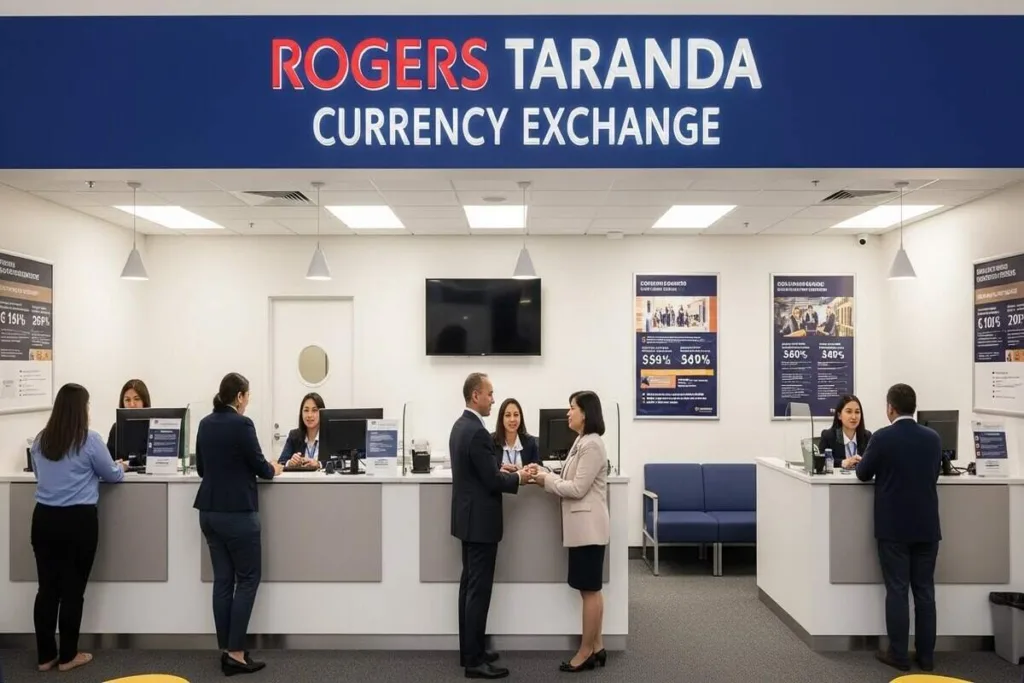
Currency exchange services convert one country’s currency into another so individuals and businesses can complete transactions across international borders. These services help travelers obtain local cash before departure, allow businesses to manage cross-border payments, and support individuals handling overseas expenses or remittances.
Reliable access to currency conversion also helps people compare exchange rates, understand available options for converting funds, and prepare for financial transactions in different countries. Readers who want broader guidance on how these services work can explore retail currency exchange guidance for everyday transactions to understand how regulated exchange services support practical financial needs.

Practical Benefits Of Exchanging Currency In Person
Many travelers prefer in-person financial services because they provide clarity, immediate results, and the opportunity to review exchange details directly. When preparing to convert dollars to pesos or another currency, people often want to understand the exchange rate, confirm the amount received, and receive their funds securely before departure.
Physical exchange locations also support individuals who prefer handling transactions face-to-face rather than relying on digital conversions that may involve additional steps or timing considerations.
Looking for a convenient option? Find a nearby currency exchange location to complete your transaction before your trip.
Why Choose a Licensed Currency Exchange Provider Like Order Express
Choosing where to exchange currency is just as important as deciding when to do it. Licensed providers like Order Express offer faster in-person service, clear rate visibility, and a more convenient experience compared to other options.
Customers can review exchange rates and fees before completing the transaction, so they know exactly how much they will receive. With over 100 locations and agents, Order Express also provides strong community access for those searching for “currency exchange near me.”
As a licensed provider, Order Express operates within regulated financial service frameworks that support transparency and accountability in every transaction.
Immediate Access To Foreign Cash
One of the main advantages of currency exchange in person is immediate access to physical money for travel needs. Travelers can receive foreign cash instantly rather than waiting for shipping or international ATM withdrawals after arrival.
Having the correct currency beforehand helps with common expenses such as airport transportation, small purchases, or tips where cards may not be accepted. Immediate access also allows travelers to verify denominations and count the funds on the spot.
In-person exchanges provide an opportunity to ask questions about the rate used, fees applied, and available denominations before completing the transaction.
Clear Review Of Exchange Rates
Currency exchange conducted in person allows customers to review the rate used for conversion before finalizing the transaction. This transparency helps travelers understand how exchange rate fluctuations affect the amount they receive.
Rates can vary between providers based on market movement and service structure. Travelers who want to understand how international currency values change often review official market data such as U.S. Federal Reserve foreign exchange rate statistics.
People preparing for international travel often benefit from comparing rates in advance and confirming them during the exchange process.
Guidance From Regulated Financial Service Providers
In-person currency exchange services often operate under regulatory frameworks that apply to money services businesses and financial service providers. These frameworks establish operational and reporting standards intended to support transparency and oversight within the financial system.
When customers exchange money through licensed providers, they interact with businesses that operate within established regulatory environments designed to support transparency in financial transactions. Financial institutions offering these services operate under regulatory oversight from agencies such as the U.S. Department of the Treasury’s Financial Crimes Enforcement Network (FinCEN).
These regulatory frameworks help support transparency and accountability within financial services that funds are exchanged through legitimate, accountable channels rather than informal or unverified methods.
Situations Where Physical Exchange Is Most Useful
Certain travel situations make in-person exchange especially practical. These scenarios often involve travelers who need foreign cash immediately or want to avoid relying entirely on international card transactions.
Examples include:
- Preparing cash before arriving in a country where card acceptance is limited
- Converting funds for short-term travel expenses like taxis or small vendors
- Obtaining specific denominations useful for tips or local markets
- Exchanging leftover travel currency after returning home
These situations demonstrate how physical exchange services continue to support everyday travel needs. Individuals planning travel may review available foreign currency exchange services when deciding how to convert funds before departure.
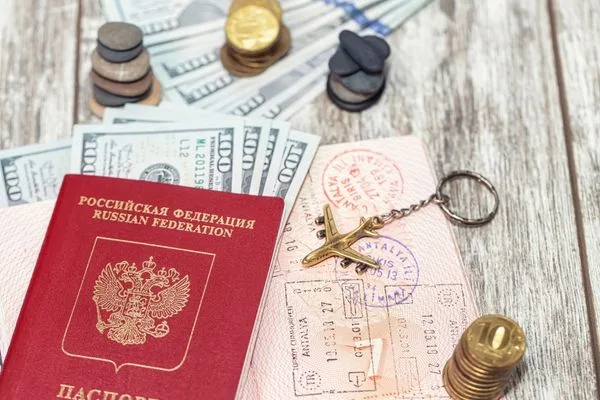
When Travelers Choose In-Person Exchange Over Digital Options
Although digital banking and international payment tools are widely available, many travelers still combine these options with in-person exchange. Physical locations provide flexibility for people who prefer direct transactions and clear confirmation of the funds received.
Understanding when physical exchange is most practical can help travelers decide how to convert money before traveling abroad.
Verifying Funds Before Travel
Currency exchange performed in person allows travelers to confirm their funds before leaving for an international destination. Receiving foreign cash in advance can reduce uncertainty upon arrival.
Travelers sometimes encounter situations where local ATMs are unavailable, or where card payments are temporarily restricted. Carrying a small amount of local currency helps cover immediate expenses until other payment options become accessible.
This approach allows travelers to begin their trip with usable funds rather than needing to locate banking services immediately after landing.
Comparing Exchange Methods For Travel Planning
Currency exchange options vary widely, including banks, exchange offices, airports, and international ATMs. Each method may apply different rates or service structures depending on the provider and location.
Travelers often review multiple options when planning how to convert funds, including searching for “currency exchange near me,” “where to exchange currency,” or “exchange dollars to pesos.” Those researching exchange guidance may review resources such as Currency Exchange Services Explained For Everyday Needs to better understand retail conversion processes.
Evaluating several exchange methods helps travelers determine which option best fits their travel plans, timing, and preferred transaction method.
Banks, airports, and online platforms also offer currency exchange, but they work differently. Banks may require accounts and longer processing times. Airport exchange locations are convenient but may have limited flexibility. Online platforms may involve waiting or delivery steps. In-person providers like Order Express combine fast service, accessibility, and clear rate review in one place.
Converting Remaining Foreign Cash After Travel
In-person currency exchange also plays a role after travelers return home with unused foreign cash. Converting leftover bills allows travelers to return funds to their local currency rather than storing them indefinitely.
Physical exchange providers can evaluate the currency condition, verify denominations, and convert remaining funds using the applicable rate available at the time. Travelers seeking in-person assistance can locate nearby local service branches that provide exchange and financial services.
This service remains useful for travelers who visit countries where foreign currency is not widely reused or accepted domestically.
Supporting Secure Cash Conversion Practices
Currency exchange conducted through regulated service providers takes place within regulatory frameworks that govern financial service businesses and help maintain transparency in currency transactions. Money services businesses operate within regulatory structures that outline responsibilities for recordkeeping, reporting, and operational oversight.
These responsibilities align with federal regulatory standards established under U.S. anti-money laundering laws that govern financial institutions and money services businesses.
By completing transactions through licensed providers, individuals conduct exchanges within financial service environments that follow applicable regulatory requirements.
Licensed providers follow requirements such as identity verification, transaction monitoring, and recordkeeping. These processes support compliance within regulated financial systems
Currency exchange providers may also be licensed at the state level depending on where services are offered.
To get started, locate a branch near you and exchange currency with a licensed provider offering in-person service and transparent rates.
Conclusion
In-person currency exchange remains relevant because it offers clarity, immediate access to funds, and structured financial oversight. Travelers preparing for international trips often benefit from receiving foreign cash before departure, reviewing exchange rates directly, and completing transactions through regulated providers. While digital payment tools continue to grow, physical exchange services still play a practical role in everyday travel preparation, post-trip currency conversion, and secure cash handling within the global financial system.
Travelers often choose licensed or registered currency exchange providers when preparing for international transactions that require foreign cash.
Educational Disclaimer: This content is provided for general informational purposes only and does not constitute legal, financial, or regulatory advice.
Frequently Asked Questions
What Is Currency Exchange And Why Do Travelers Use It?
Currency exchange converts one nation’s money into another so travelers can pay expenses in the destination’s local currency.
When Should Travelers Exchange Currency Before A Trip?
Many travelers exchange a small amount before departure to cover transportation, tips, and small purchases upon arrival.
Can Exchange Rates Change Throughout The Day?
Yes, exchange rates fluctuate frequently because they respond to international market activity and global economic conditions.
Is It Safe To Exchange Currency At Licensed Providers?
Licensed money service businesses operate within regulatory frameworks that establish standards for financial services and consumer protection.
What Should Travelers Check Before Exchanging Money?
Travelers should review the posted exchange rate, service fees, available denominations, and transaction receipt before completing conversion.
What is the best way to find a currency exchange near me?
Travelers can search online or visit local financial service providers that offer foreign currency exchange services in their area.

Alvin is a Content and SEO Specialist who creates clear and helpful content about money transfers and payment systems. He focuses on making complex topics easy to understand so readers can learn how these services work in everyday situations.