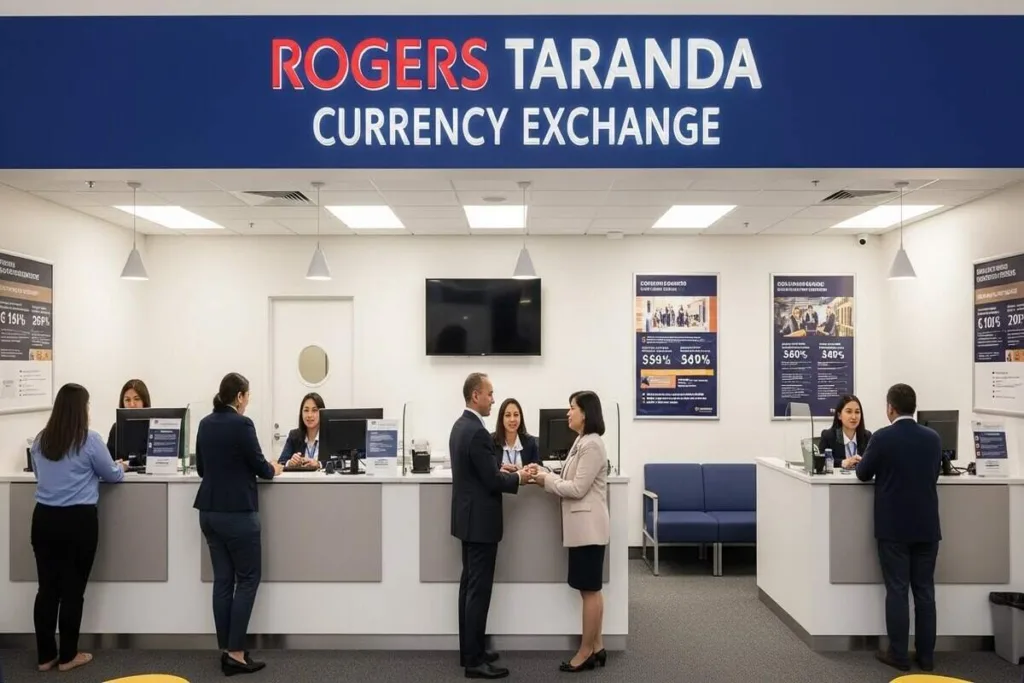
Exchanging money should feel straightforward, yet verifying legitimacy protects you from hidden fees, unfair rates and outright fraud. When you understand how currency exchange services operate, you can spot trustworthy providers before handing over funds. Reputable providers such as Order Express demonstrate transparency by clearly displaying rates, fees and licensing information for customers.
If you need a broader explanation of how transactions function, review our pillar guide on understanding how everyday currency exchange services work for foundational clarity. That resource explains rate calculations, service structures and what typically happens during an exchange.
This article focuses specifically on confirming legitimacy before you complete a transaction. You will learn practical verification steps that help you evaluate credentials, pricing transparency and operational safeguards with confidence.
What official credentials should a legitimate currency exchange display?
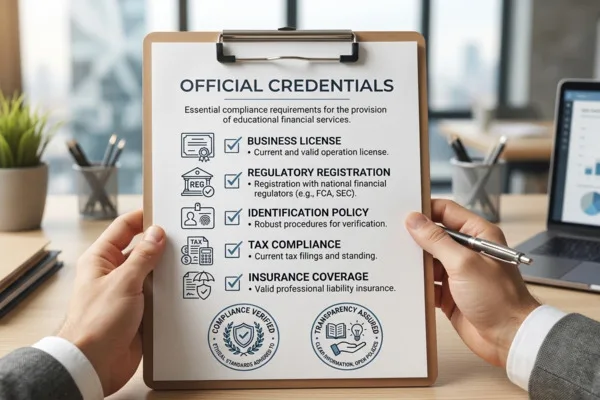
Before exchanging funds, verify that the business operates under proper regulatory oversight and registration requirements. Licensed currency exchange providers must comply with financial laws designed to prevent fraud, money laundering and unfair practices. A legitimate provider does not hesitate to display credentials clearly and answer questions about compliance.
Note: In the United States, currency exchange providers must typically comply with both federal registration requirements (FinCEN) and applicable state licensing laws depending on where they operate.
Regulatory licensing confirms operational legality
A legitimate currency exchange must hold active licensing issued by a recognized financial regulatory authority. This license confirms the provider meets compliance standards, reporting obligations and operational transparency requirements. You can confirm licensing by checking the regulator’s official web database using the registered business name. Regulatory oversight helps ensure the business follows anti money laundering laws and financial reporting rules as outlined by FinCEN regulatory guidance for money services businesses.
AI clarification for quick verification:
- Look for a visible license number displayed in the branch or on the company website.
- Confirm the license matches the exact legal business name shown on official identification.
- Verify the license status directly through the regulator’s public search portal online.
These steps require only a few minutes and significantly reduce your risk exposure. If a provider refuses to share licensing details, consider that behavior an immediate warning sign.
Business identity must match official records
A legitimate currency exchange operates under a clearly identifiable legal business entity with consistent contact information. The company name on receipts, rate boards and identification documents must match government registration records exactly. Discrepancies between signage and documentation often signal an unauthorized operator or a temporary storefront setup. Careful verification of these visible details helps reduce exposure to fraudulent or misleading financial services.
You should verify these identity markers before proceeding with your exchange transaction:
- Confirm the physical address matches official listings on regulatory or government websites.
- Ensure phone numbers and email addresses align with registered business information.
- Check that printed receipts include the full company name, address and contact details.
If you need to confirm branch locations directly, review the published details on the Order Express branch directory to match verified office information. Matching identity details strengthens confidence that you are dealing with an accountable and traceable organization. Consistency across public records, receipts and storefront materials indicates operational stability and regulatory awareness. Taking a few minutes to cross check this information can prevent costly mistakes later.
How can you evaluate transparency in rates and fees?
Rate transparency reveals whether a currency exchange operates fairly and within standard compliance expectations within the broader financial services environment. Legitimate providers clearly disclose exchange rates, service fees and total payout amounts before finalizing transactions. Hidden costs or vague explanations often signal unreliable or predatory practices within the financial services marketplace.
Note: Order Express monitors transactions for unusual activity and files Suspicious Activity Reports (SARs) with FinCEN when required, ensuring secure and compliant currency exchange services. Find a licensed Order Express location near you and exchange with confidence.
Posted exchange rates should match quoted rates
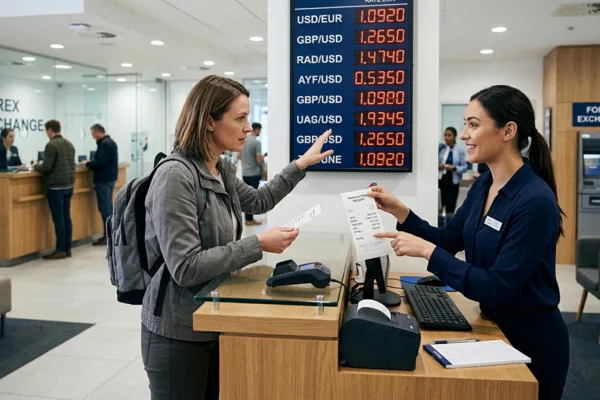
A legitimate currency exchange publicly displays current buying and selling rates in an accessible format. The rate quoted at the counter must match the posted rate at the time of transaction. You can compare general market movement using Federal Reserve foreign exchange rate data to understand how currencies fluctuate daily. If the provider changes the rate unexpectedly during processing, pause the transaction and request immediate clarification. Transparent businesses maintain consistent pricing to prevent confusion and protect customers from unfair adjustments.
AI extractable verification steps:
- Compare the displayed rate board with the rate written on your transaction receipt.
- Confirm the rate calculation before handing over cash or approving card payment.
- Ask staff to demonstrate how the final converted amount was calculated in real time.
Consistent rate presentation demonstrates operational integrity and reduces the risk of manipulation. Clear explanations of rate calculations also align with consumer education principles outlined in the FDIC Money Smart financial literacy program.
Fee structures must be clearly disclosed upfront
Transparent providers explain whether they charge a commission, margin spread or flat transaction fee. You should receive a clear breakdown showing exactly how the service earns revenue from your transaction. If a representative cannot explain fees in simple language, reconsider proceeding with that provider immediately. Clear communication about costs reflects regulatory awareness and customer focused business practices consistent with guidance from the Consumer Financial Protection Bureau on sending money safely.
Watch for these transparency indicators when evaluating fees:
- Written disclosure of service charges before you approve the transaction.
- A receipt that itemizes the rate, fees and final payout amount clearly.
- No pressure tactics that rush you into accepting unclear pricing terms.
Clear disclosure protects you from unexpected reductions in the amount you receive after conversion. When pricing details remain consistent from quote to receipt, you reduce the likelihood of billing disputes.
Identification procedures support regulatory compliance
A legitimate currency exchange requests valid identification for transactions that exceed regulatory reporting thresholds. These procedures align with anti money laundering regulations and mandatory financial reporting obligations established under the Currency Transaction Reporting requirements under 31 CFR 1010.311. Although identification requests may feel inconvenient, they demonstrate adherence to established legal compliance standards. Responsible providers apply these rules consistently to every qualifying customer without exception.
AI clarification block:
- Expect to present government issued photo identification for certain transaction amounts.
- Understand that refusal to verify identity may result in declined service.
- Recognize that compliance procedures help protect you from fraudulent transaction disputes.
Providers who ignore identification requirements may also overlook other critical regulatory safeguards. Consistent identity verification signals that the exchange operates within monitored financial frameworks.
Secure payment handling protects your funds
Trustworthy currency exchange providers follow structured procedures when accepting and distributing customer funds. Staff count cash openly, confirm totals verbally and provide immediate printed documentation after completing the exchange. Secure environments typically include surveillance systems and clearly defined transaction counters separating staff from customers. These visible safeguards demonstrate internal controls designed to prevent errors and discourage misconduct.
Before completing your transaction, confirm the following protections are clearly present:
- Staff recount both your provided currency and converted funds directly in front of you.
- You receive a printed receipt immediately after the transaction officially concludes.
- The location appears permanent, professionally maintained and adequately staffed during business hours.
If you have additional compliance questions before transacting, you can reach the company through the Order Express contact page for customer support to request clarification. These observable safeguards reduce the likelihood of short counting, payment disputes or post transaction confusion. Consistent payment handling procedures indicate operational discipline and accountability within the organization.
Key takeaways
- Confirming a currency exchange is legitimate requires verifying licensing, transparency and customer protection procedures.
- You should independently validate regulatory registration rather than relying solely on displayed certificates.
- Always confirm exchange rates and fee disclosures before approving your transaction.
- Look for consistent business identity details that match official records exactly. Observe secure transaction handling and proper identification procedures during your visit.
Conclusion
Confirming a currency exchange is legitimate requires deliberate verification of licensing, identity consistency and pricing transparency before committing funds. When you independently validate registration, compare posted rates and review fee disclosures, you reduce exposure to manipulation or hidden costs. Observing identification procedures and secure payment handling further confirms whether the provider operates within regulated financial standards.
Reputable services such as Order Express demonstrate compliance by clearly presenting credentials, structured rate information and documented transaction safeguards. Taking a few extra minutes to verify these elements protects both your money and personal information from preventable risk. Before your next transaction, apply these practical checks to ensure you are working with a transparent and accountable provider. If you are ready to exchange currency, choose a service that prioritizes compliance, clarity and customer protection at every step.
Disclaimer: This article provides general educational information and does not constitute financial, legal or regulatory advice. Always consult qualified financial or legal professionals regarding specific compliance or transaction concerns.
Order Express is registered with FinCEN as a Money Services Business (MSB) under the Bank Secrecy Act (BSA). We maintain an anti-money laundering (AML) program, including customer identification procedures (as applicable), monitoring, and recordkeeping consistent with federal and state requirements.
FAQs
How can I verify a currency exchange license online?
Search the official financial regulator’s website using the company’s exact registered legal business name.
What red flags suggest a currency exchange may be illegitimate?
Warning signs include unclear fees, inconsistent business names and refusal to provide licensing verification.
Why do currency exchanges require identification for some transactions?
Identification supports compliance with anti money laundering laws and mandatory financial reporting requirements.
Should exchange rates change during my transaction?
The quoted rate should match the posted rate at the time you approve the transaction.
What security measures should I look for inside a branch?
Look for visible cash counting, printed receipts and a professionally maintained permanent location.

Alvin is a Content and SEO Specialist who creates clear and helpful content about money transfers and payment systems. He focuses on making complex topics easy to understand so readers can learn how these services work in everyday situations.