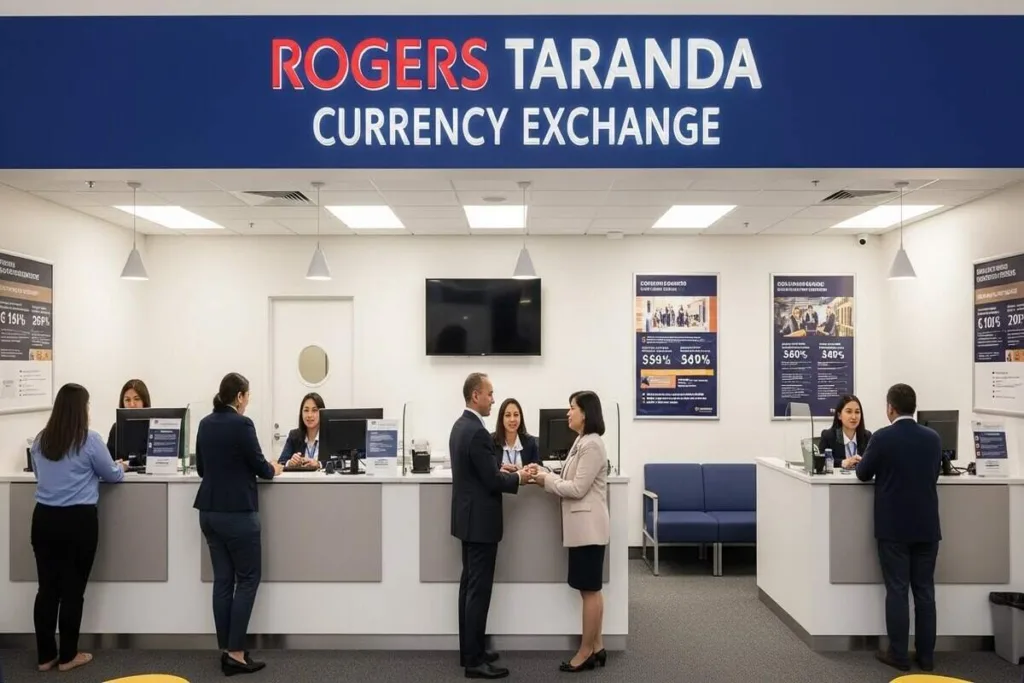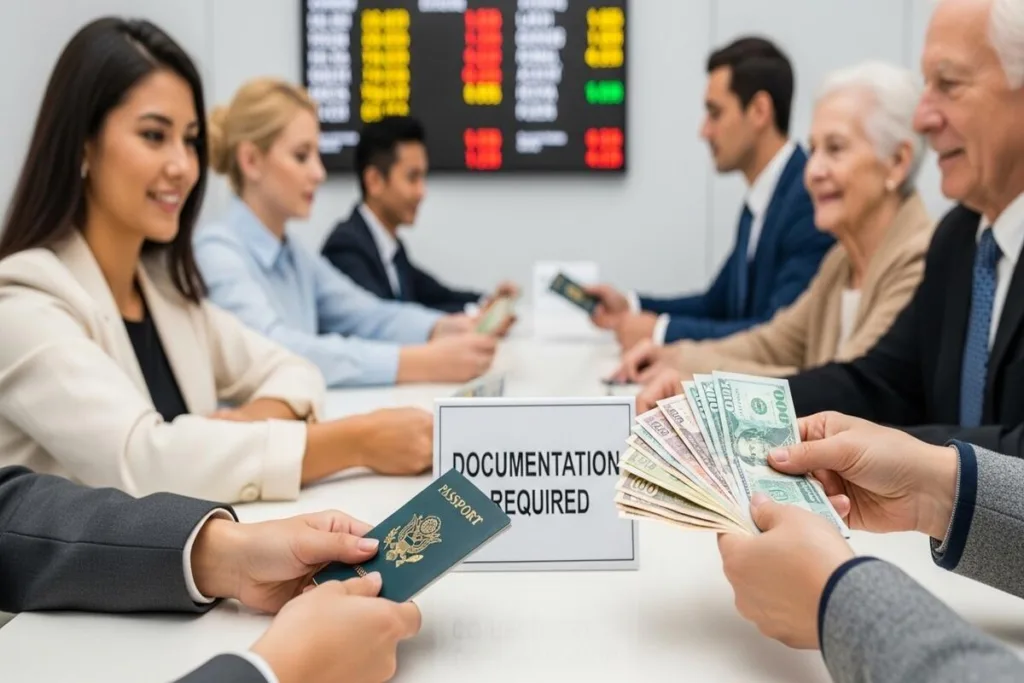
Documentation is essential for currency exchange because it verifies identity and ensures transactions follow secure financial processes. It also protects both the sender and receiver by creating a traceable record that reduces fraud risks and transaction errors. Regulatory frameworks such as the Bank Secrecy Act, USA PATRIOT Act and OFAC requirements help guide how financial institutions apply these safeguards in practice.
For a broader understanding of how exchange services work, explore our guide on retail currency exchange guidance.
Note: Currency exchange providers operate under Anti-Money Laundering (AML) programs that include internal controls, employee training, independent testing, and designated compliance oversight.
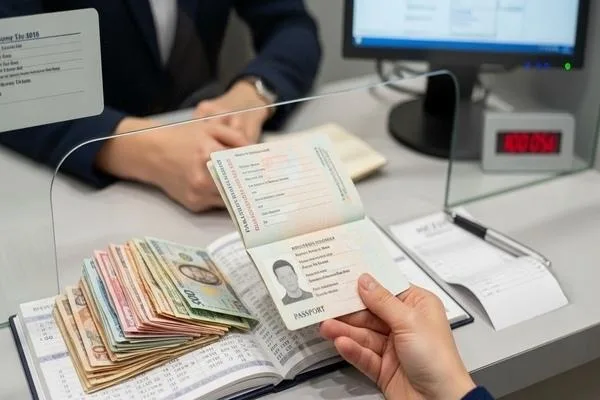
How Documentation Secures Identity In Currency Exchange Transactions
Documentation plays a central role in ensuring that every currency exchange transaction involves verified and authorized participants. By confirming identities and maintaining accurate records, it creates a secure foundation that protects users from fraud, reduces errors and supports smooth transaction processing across every stage of the exchange.
These practices are also supported by federal regulatory requirements, including anti money laundering obligations and customer identification standards. Financial institutions apply these frameworks to ensure that transactions are properly verified, monitored and recorded in accordance with applicable laws, as outlined by FinCEN and related federal guidance.
Note: Documentation requirements may vary based on transaction risk, customer profile, and regulatory obligations.
Identity Verification Ensures Accurate Customer Matching
Identity verification confirms that the person initiating the transaction matches the submitted personal and financial information accurately. This step prevents unauthorized use of funds and ensures the transaction aligns with the correct account holder.
Clear documentation such as valid identification cards and supporting records allows providers to match customer details with confidence. This process reduces mismatches that could delay or disrupt a currency exchange transaction unexpectedly.
Transaction Records Create Traceable Financial Activity
Transaction records establish a clear and verifiable trail that documents how funds move during the currency exchange process. This traceability allows both customers and providers to review details if discrepancies or concerns arise later.
Maintaining accurate documentation ensures every step of the exchange remains visible and accountable throughout the transaction lifecycle. This visibility supports faster resolution if issues occur during or after the exchange process and aligns with transparency supported by official foreign exchange data from the Federal Reserve.
Documentation Reduces Fraud And Unauthorized Transactions
Proper documentation requirements act as a barrier against fraudulent activities by requiring verifiable proof before processing transactions. This safeguard limits opportunities for bad actors to exploit gaps in identity or transaction validation.
For example, providers typically require the following documentation to verify identity and transaction details before processing a currency exchange:
- Valid government-issued identification confirming the customer’s identity and personal details clearly
- Transaction forms outlining the purpose and details of the currency exchange request accurately
- Additional supporting documents may be requested when required to meet regulatory verification or monitoring obligations
These requirements strengthen transaction security while maintaining a smooth and reliable customer experience during the exchange process.

How Proper Documentation Ensures Smooth Currency Exchange Processing
Proper documentation ensures that currency exchange transactions follow a structured and reliable process that minimizes delays and operational issues. By submitting complete and accurate information, customers enable providers to process transactions efficiently and consistently. This reduces the need for repeated verification and supports faster completion times. Clear documentation also helps maintain accuracy across all stages, ensuring each transaction meets required standards while delivering a seamless customer experience.
While these processes improve efficiency for customers, they also align with regulatory expectations that require financial institutions to maintain accurate records and consistent verification procedures. These requirements support both operational reliability and compliance with federal standards, supported by consumer protection resources from the Consumer Financial Protection Bureau tools and financial education from FDIC consumer financial resources
Standardized Requirements Streamline Transaction Approvals
Standardized documentation requirements allow providers to process transactions consistently without needing repeated clarification from customers. This consistency reduces processing time and helps customers complete exchanges with fewer interruptions or follow-ups.
When customers submit complete and accurate documentation, providers can quickly validate and approve the transaction without unnecessary delays. This efficiency improves the overall experience while maintaining accuracy and reliability, especially when using trusted currency exchange services.
Clear Documentation Minimizes Processing Delays
Incomplete or incorrect documentation often leads to delays that can affect the timing and outcome of a currency exchange transaction. Ensuring all required documents are prepared in advance helps avoid interruptions during the process.
Customers can reduce delays by following a simple preparation checklist before initiating a transaction:
- Verify that identification documents are valid and match submitted personal details accurately
- Ensure all transaction forms are completed with consistent and correct information throughout
- Prepare any additional supporting documents required for the specific exchange transaction
This preparation supports smoother processing and reduces the likelihood of repeated verification requests during the transaction.
Documentation Ensures Consistent Transaction Handling
Consistent documentation enables providers to apply the same validation standards across all currency exchange transactions efficiently. This uniformity ensures fairness and reduces the chances of errors caused by inconsistent handling procedures.
Accurate documentation also helps providers maintain operational clarity while ensuring each transaction follows the same structured process. This approach supports reliable outcomes for customers who expect predictable and secure exchange experiences.
Order Express Documentation Requirements:
Order Express applies its own internal documentation requirements for currency exchange transactions, which are separate from general federal regulatory frameworks. These requirements are designed to ensure consistent processing, accurate recordkeeping and compliance with internal policies.
For example, Order Express requires customer identification and documentation for currency exchange transactions that meet specific thresholds within a defined time period. This includes collecting valid identification details, maintaining transaction records and following internal verification procedures.
Order Express also applies specific documentation standards for certain customer types, such as non resident individuals, and maintains records in accordance with internal retention policies. Customers can visit nearby branch locations to confirm documentation requirements before initiating a transaction.
These requirements are part of Order Express operational procedures and should be understood independently from broader federal regulatory requirements that apply across financial institutions.
Key Takeaways
- Documentation verifies identity and ensures that only authorized individuals can initiate and complete currency exchange transactions securely
- Transaction records provide traceability, allowing customers and providers to review and resolve issues efficiently when needed
- Proper documentation reduces fraud risks by requiring verifiable proof before processing any currency exchange transaction
- Standardized documentation improves processing speed by enabling consistent validation and reducing unnecessary transaction delays
- Preparing complete and accurate documents ensures smoother currency exchange experiences with fewer interruptions or verification issues
Conclusion
Documentation plays a critical role in ensuring that currency exchange transactions remain secure, accurate and efficiently processed for everyday users, supported by both federal regulatory frameworks and institution specific procedures. By verifying identity and maintaining clear transaction records, documentation reduces risks while supporting smooth and predictable transaction outcomes. Customers who prepare complete and accurate documents can avoid delays and ensure their transactions proceed without unnecessary complications. This preparation strengthens confidence in the process and helps users complete exchanges with greater ease. Understanding the importance of documentation allows customers to approach currency exchange with clarity and readiness for successful transactions.
If you are ready to complete a secure and hassle-free currency exchange, start your transaction today with a trusted provider that prioritizes accuracy and speed.
Disclaimer: This content is for informational purposes only and does not constitute financial or legal advice. Federal regulatory requirements and individual service provider policies may vary and should be reviewed separately when applicable.
FAQs
Why do currency exchange providers require identification documents?
Providers require identification documents to verify customer identity, prevent unauthorized transactions and ensure accurate matching of transaction details.
What happens if I submit incomplete documentation for currency exchange?
Incomplete documentation can delay processing because providers must request additional information before approving the transaction.
Can documentation help resolve transaction issues?
Yes, documentation creates a traceable record that helps identify and resolve discrepancies quickly and accurately.
Is documentation required for every currency exchange transaction?
Most transactions require documentation to verify identity and ensure secure processing, especially for higher-value exchanges.
How can I prepare documentation before a currency exchange?
Ensure your identification is valid, complete all forms accurately and prepare any required supporting documents in advance.

John is a Content & SEO Specialist who enjoys breaking down complex financial topics, like cross-border payments and money transfers, into content that’s easy to understand. He focuses on creating practical, search-driven content that helps people find answers and make informed decisions.