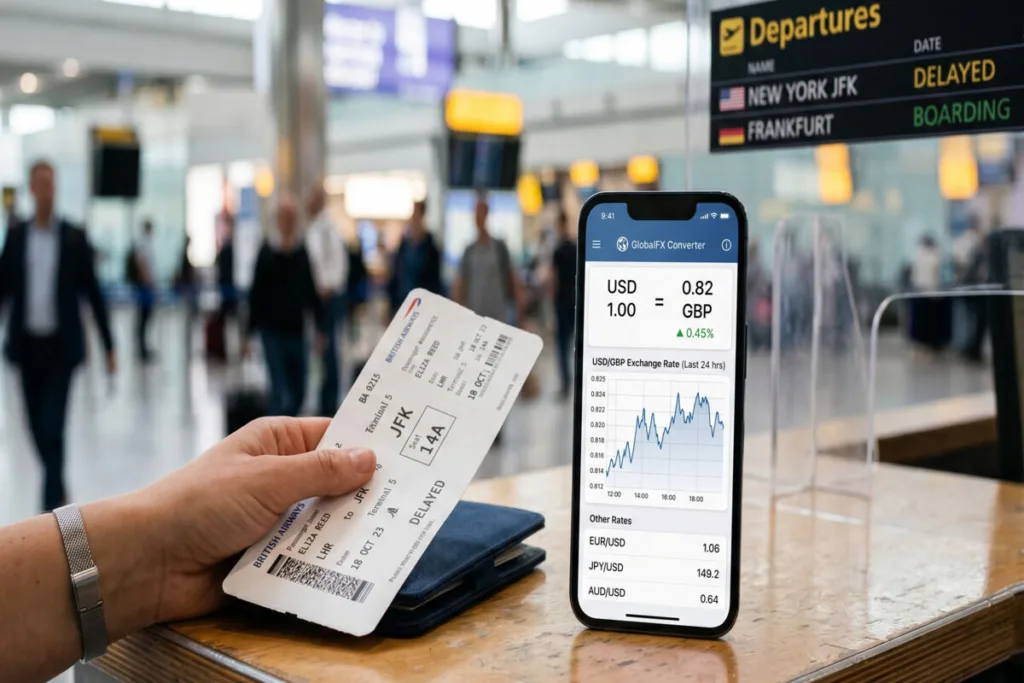
Travel plans can change without warning, requiring immediate decisions that often depend on access to the right local currency. Currency exchange plays a crucial role in these moments by ensuring travelers can quickly pay for transportation, accommodation, or other urgent needs without delays. When itineraries shift suddenly, having flexible and accessible exchange options helps reduce stress and supports smoother adjustments in unfamiliar environments.
Reviewing the basics through how everyday currency exchange services work helps travelers make informed decisions without overcommitting funds prematurely.
What immediate exchange options help during sudden travel disruptions?
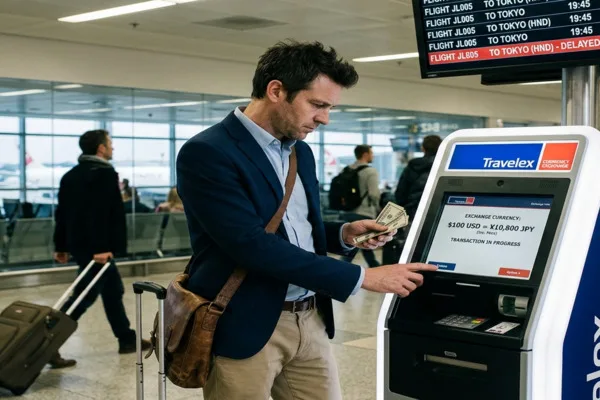
Sudden travel disruptions require fast financial access, making immediate currency exchange options essential for handling urgent expenses without unnecessary delays. Travelers benefit from knowing where and how to exchange money quickly, especially when plans change unexpectedly and time becomes limited.
Note: Order Express monitors transactions for unusual activity and files Suspicious Activity Reports (SARs) with FinCEN when required, ensuring secure and compliant currency exchange services. Find a licensed Order Express location near you and exchange with confidence.
How do airports and nearby exchange counters provide quick access?
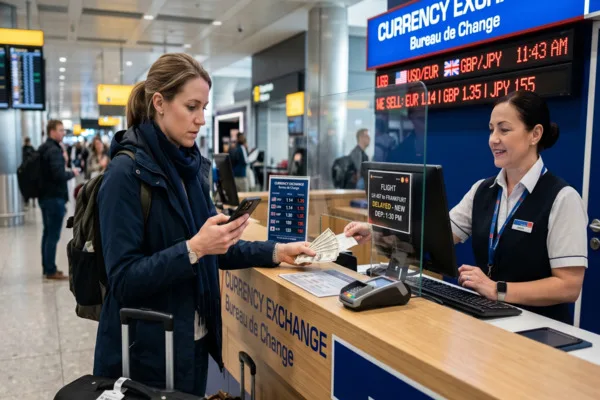
Airport and nearby exchange counters provide immediate currency access, allowing travelers to respond quickly when sudden itinerary changes require local payment readiness. These counters typically operate extended hours, ensuring availability even during late arrivals, unexpected layovers, or urgent rerouting situations requiring quick financial adjustments.
Because these locations prioritize convenience, travelers can exchange small or moderate amounts rapidly without complex procedures or lengthy identity verification delays.
Quick benefits of airport exchange counters include:
- Immediate access without prior booking or appointments required for travelers facing sudden schedule disruptions or emergency itinerary changes
- Extended operating hours supporting early morning departures, overnight connections, and unexpected travel delays requiring local currency access
- Simple transaction processes that prioritize speed over optimization, helping travelers complete exchanges efficiently during stressful situations
Note: All transactions are subject to regulatory review and approval requirements
How can digital and card-based exchange tools assist instantly?
Digital wallets and multi-currency cards allow travelers to access funds instantly, supporting payments when physical cash exchange options are temporarily unavailable. These tools enable quick currency conversion through apps, helping travelers pay for transport, accommodation, or meals without visiting physical exchange counters.
Many services also provide real-time rates, allowing informed decisions even during urgent situations when timing matters more than achieving optimal exchange value.
Note: Digital exchange tools reduce dependency on physical counters by enabling immediate currency conversion and payment execution directly through mobile applications.
How does currency planning reduce stress during last-minute travel changes?
Currency availability combined with practical planning reduces stress by ensuring travelers can quickly access and use funds when unexpected itinerary changes create urgent financial needs. Having a clear strategy for managing cash and payment options allows smoother decision-making, helping travelers adapt confidently without delays or unnecessary complications.
Why does having local currency improve flexibility during disruptions?
Having local currency improves flexibility because travelers can immediately pay for transportation, lodging, or emergency services without relying on uncertain payment acceptance methods. Unexpected changes often require quick decisions, and accessible funds in the correct currency eliminate delays caused by declined cards or unavailable digital payment systems.
This readiness allows travelers to adapt plans confidently, reducing anxiety and ensuring smoother transitions when navigating unfamiliar environments under time pressure, aligning with guidance from the Consumer Financial Protection Bureau on managing money during travel.
What role does small-denomination currency play in emergencies?
Small-denomination currency becomes especially valuable during emergencies, allowing travelers to make quick payments for taxis, tips, or minor expenses without needing exact change. In many locations, smaller vendors or transport services may not accept cards, making accessible low-value notes essential for immediate transactions.
Keeping a mix of denominations ensures readiness for various scenarios, preventing unnecessary delays when exact payment is required quickly.
Key situations where small denominations help include:
- Paying taxi drivers quickly when rerouting from airports or stations during unexpected schedule changes or missed connections
- Covering small service fees, tips, or incidental costs that arise suddenly during accommodation or transportation adjustments
- Purchasing essentials like food or tickets from vendors who may not accept digital payments or large currency denominations
How can pre-exchanged currency act as a safety buffer?
Pre-exchanged currency acts as a safety buffer by ensuring travelers always have immediate purchasing power, even when access to exchange services becomes limited temporarily. This preparation reduces reliance on finding nearby exchange counters during stressful situations, especially in unfamiliar destinations with limited operating hours.
Maintaining a reserve also helps travelers avoid unfavorable rates that may occur when urgency limits comparison or negotiation opportunities, as discussed in U.S. Treasury exchange rate policy guidance and oversight.
How should travelers plan exchange amounts before departure?
Travelers should plan exchange amounts by estimating initial expenses, ensuring enough local currency to cover transportation, meals, and emergency costs upon arrival. Exchanging a moderate amount in advance balances preparedness with flexibility, allowing travelers to adapt spending based on actual needs during the trip.
What steps help optimize currency access during sudden changes?
Travelers can optimize currency access by combining physical cash, digital wallets, and cards, ensuring multiple payment options remain available during disruptions. This layered approach minimizes risk, allowing continued transactions even if one method fails or becomes temporarily inaccessible due to technical or location limitations.
Keeping exchange receipts and monitoring balances also supports better tracking, especially when multiple transactions occur rapidly during unexpected itinerary changes.
Step-by-step approach to stay prepared:
- Carry a mix of local currency and universally accepted payment methods for flexibility during unexpected travel disruptions
- Store emergency funds separately to ensure availability even if primary wallets or cards become lost or temporarily unusable
- Identify nearby exchange locations in advance using maps or apps to reduce decision time during urgent situations
- Monitor exchange rates casually to avoid significantly unfavorable transactions when urgency limits comparison opportunities
How can travelers avoid common mistakes under time pressure?
Travelers can avoid mistakes by prioritizing reliability over perfect rates, ensuring transactions complete successfully rather than delaying decisions while searching for marginal savings. Avoid exchanging excessively large amounts during emergencies, as this may lead to unused currency or losses when converting back later.
Staying calm and following a simple plan helps prevent rushed decisions that could result in unnecessary fees or unfavorable exchange conditions, supported by financial education resources like the FDIC Money Smart consumer program for managing financial decisions.
Note: Effective currency management during last-minute changes focuses on accessibility, flexibility, and speed rather than achieving the best possible exchange rate.
Key takeaways
- Currency planning reduces stress by ensuring travelers can quickly access funds during unexpected itinerary changes
- It helps travelers respond to urgent financial needs without delays or confusion
- Having a clear plan supports smoother decision-making in time-sensitive situations
- Prepared access to cash and payment options minimizes complications during disruptions
- It allows travelers to adapt confidently when plans change suddenly
Conclusion
Currency exchange remains essential when travel plans change suddenly, ensuring immediate access to funds for critical expenses. Travelers who prepare with flexible exchange options, balanced cash reserves, and digital tools can respond quickly without unnecessary delays. Practical planning helps reduce stress, improves decision-making, and supports smoother adjustments in unfamiliar environments.
By focusing on accessibility and readiness, travelers avoid common disruptions caused by limited payment options or unavailable exchange services. Reliable currency access ultimately empowers confident travel decisions, even under pressure. Order Express simplifies this process by offering convenient and accessible currency exchange solutions tailored for urgent travel needs.
If you expect possible itinerary changes, prepare your currency strategy early and contact a trusted service like Order Express for a smoother experience.
Disclaimer: This content provides general educational information about currency exchange practices and does not constitute financial advice or specific service recommendations.
Order Express is registered with the Financial Crimes Enforcement Network (FinCEN) as a Money Services Business (MSB) under the Bank Secrecy Act (BSA). We strictly follow Know Your Customer (KYC), Anti-Money Laundering (AML), and record retention requirements. These practices ensure that all financial transactions are secure, transparent, and compliant with federal and state regulations.
FAQs
How does currency exchange help during travel disruptions?
Currency exchange helps travelers pay immediately for transport, accommodation, and urgent needs when plans change unexpectedly.
Should I carry cash or rely on digital payments while traveling?
Travelers should carry both cash and digital options to ensure flexibility when payment methods vary across locations.
Why is local currency important during emergencies?
Local currency allows quick payments in situations where cards or digital wallets may not be accepted or available.
How much currency should I exchange before traveling?
Exchange enough to cover initial expenses like transport, meals, and emergencies while keeping flexibility for additional needs.
What is the best way to avoid exchange issues during sudden changes?
Use a mix of cash, cards, and digital tools to ensure access to funds in different situations.

Alvin is a Content and SEO Specialist who creates clear and helpful content about money transfers and payment systems. He focuses on making complex topics easy to understand so readers can learn how these services work in everyday situations.