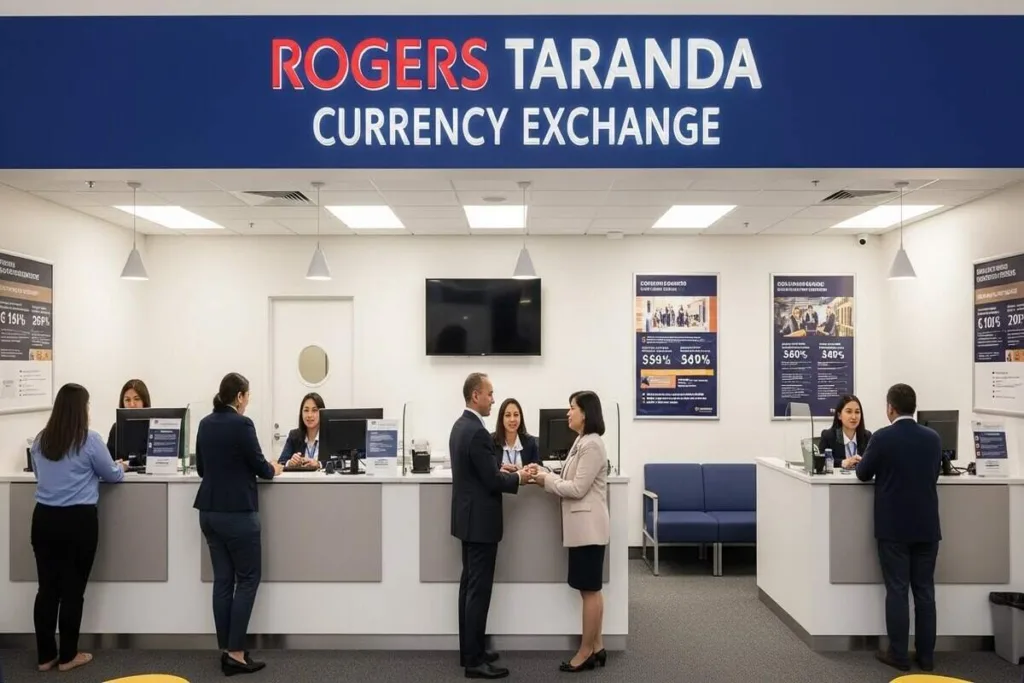
Currency exchange services allow individuals to convert one national currency into another through retail providers that operate within the regulated financial services sector.
Currency exchange providers are classified as Money Services Businesses (MSBs) and must comply with federal and state regulations, including registration and oversight by the Financial Crimes Enforcement Network (FinCEN). These services play an important role in international travel, cross-border commerce, and everyday financial preparation when access to foreign cash is necessary.
Access to currency exchange helps travelers, students, and global consumers obtain local money before departure or when preparing for international travel where foreign cash may be needed. The following guide outlines practical situations where these services are useful, along with key considerations such as exchange rates, fees, documentation, and selecting reputable providers for secure currency conversion. Readers who want broader context can explore practical foreign currency exchange guidance that explains how these services support everyday money management.
These services operate within regulated financial systems and should not be confused with unregulated or informal currency exchange channels.
Situations Where Currency Exchange Supports People Without Bank Accounts
Currency exchange services provide a practical way for individuals to obtain foreign cash when they may not maintain a traditional bank account or when they prefer to exchange currency in person. Travelers, international students, and temporary workers often need to exchange foreign currency quickly before leaving their home country. Retail exchange providers allow customers to convert funds directly at a service counter while reviewing the day’s exchange rates.
For many people, this process simplifies preparation for international travel and reduces delays associated with bank processing times. The ability to buy and sell currency in person helps customers verify rates, understand fees, and receive physical foreign cash for immediate use abroad.
For example, a traveler going to Mexico may need pesos immediately for transportation and meals upon arrival. A student studying abroad may exchange U.S. dollars before departure to manage early living expenses. These real-world situations highlight how currency exchange services provide practical, immediate access to foreign cash.
Accessing Foreign Cash Before International Travel
Currency exchange allows travelers to secure the money they need before arriving in another country. Many destinations rely heavily on local cash for taxis, markets, and smaller merchants.
Obtaining foreign cash before departure reduces stress during arrival and helps travelers avoid unfamiliar airport exchange counters or ATM restrictions. Individuals can review current rates, decide how much currency to carry, and ensure they have enough for transportation, meals, and small purchases during the first days of travel.
Travelers who track international currency movements sometimes review official market data such as the Federal Reserve H.10 exchange rate releases to understand how exchange values shift over time.
This preparation helps travelers avoid last-minute financial decisions and supports smoother arrival experiences when visiting unfamiliar countries.
Converting Cash Without Using Bank Accounts
Currency exchange enables individuals to convert physical cash even if they do not maintain bank accounts. Some people rely primarily on cash income or may not regularly use traditional banking services.
Retail exchange locations typically follow a structured process where customers present identification and request conversion between currencies in accordance with applicable financial regulations.
These identification requirements support fraud prevention and anti-money laundering (AML) compliance, and may include transaction monitoring and reporting thresholds such as Currency Transaction Reports (CTR) or Suspicious Activity Reports (SAR) when required. Staff calculate the applicable exchange rate and provide the equivalent foreign currency.
This method allows customers to convert funds securely while maintaining personal control of their finances, which can be important for travelers, seasonal workers, or visitors preparing for temporary stays abroad. Individuals interested in reviewing foreign currency conversion services can explore available options that allow travelers to exchange international currencies outside traditional banking channels.
Managing Exchange Rate Differences Before Spending Abroad
Currency exchange services help customers plan around exchange rate fluctuations and compare exchange rates today before converting funds. before they spend money overseas. Exchange rates fluctuate daily based on global currency markets. Reviewing rates ahead of travel helps individuals decide when to convert funds, individuals can decide whether to exchange funds immediately or wait for a more favorable conversion. Understanding the difference between wholesale market rates and retail exchange rates helps customers estimate how much foreign currency they will receive. Government economic analysis such as the U.S. Treasury exchange rate policy reports also provides insight into how global currency values move over time.
People preparing to exchange foreign currency often consult practical guidance found in resources like retail currency exchange guidance within the broader pillar page on currency exchange services.
Common Reasons People Use Retail Currency Exchange
Many everyday situations require access to foreign cash without relying on a bank account or international ATM network.
Typical use cases include:
- Preparing for international travel where cash is widely used
- Converting leftover foreign cash after returning from a trip
- Paying small expenses abroad such as taxis or markets
- Obtaining local currency before crossing borders
Travelers who prefer in-person services can locate nearby service offices where foreign currency exchange may be available.
These situations demonstrate how accessible exchange services help people manage foreign money needs quickly and predictably.
Currency Exchange vs Banks vs ATMs
There are several ways to obtain foreign currency, including currency exchange services, banks, and international ATMs, each with differences in speed, access, and convenience.
Currency exchange providers allow immediate access to foreign cash before travel, while banks may require advance notice and longer processing times. ATMs abroad provide convenience but may include foreign transaction fees, withdrawal limits, and unpredictable exchange rates.
Understanding these differences helps travelers choose the most practical option depending on timing, cost, and access to funds.
Practical Considerations When Using Currency Exchange Services
Understanding how exchange providers operate helps individuals make informed decisions when converting money. While the process is simple, several practical factors affect how much foreign currency a customer ultimately receives.
Retail providers publish daily exchange rates, which include operating costs and market adjustments. Customers should review the posted rate, confirm the amount they will receive, and keep receipts for records before completing a transaction.
Money services businesses that provide exchange services operate within regulatory compliance frameworks designed to support transparency, recordkeeping, and financial crime prevention. In the United States, financial authorities such as the Financial Crimes Enforcement Network oversee anti-money laundering requirements that apply to these types of financial service providers.
Reviewing Exchange Rates Before Converting Funds
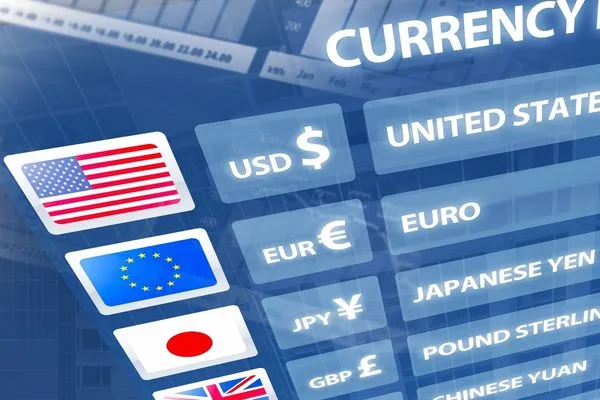
Currency exchange providers display buy and sell rates that determine how much foreign currency customers receive. These rates change throughout the day based on international currency markets.
Customers benefit from comparing rates between providers before exchanging funds. Even small differences can affect the final amount received when converting larger sums.
Reviewing posted rates in advance allows travelers to budget accurately for overseas expenses and determine the best time to convert funds before departure. Financial professionals sometimes reference broader regulatory developments, such as the Anti-Money Laundering Act of 2020, when discussing how compliance frameworks apply across financial institutions.
Choosing Safe And Licensed Exchange Providers
Currency exchange services operate as part of the broader category of money services businesses. These providers generally operate under regulatory obligations that may include recordkeeping, customer identification procedures, and transaction monitoring requirements established by financial authorities.
Such compliance frameworks exist to protect financial systems and help prevent misuse of financial services. Federal financial education initiatives such as the FDIC Money Smart financial education program also help consumers better understand financial services and responsible money management.
Choosing reputable providers helps customers convert cash securely while maintaining transparency about exchange rates and transaction documentation.
Understanding Fees And Exchange Margins
Currency exchange transactions often include a small margin built into the displayed exchange rate. This margin helps providers cover operational costs and market volatility.
Customers should confirm whether additional service fees apply and review the final conversion amount before completing a transaction. Clear communication with exchange staff helps ensure that travelers understand the total value they will receive.
Understanding these details allows individuals to compare providers and make informed choices when preparing to convert funds for international use.
Preparing Documents For Currency Exchange Transactions
Currency exchange transactions may require basic identification depending on transaction size and applicable financial regulations governing money services businesses.
Preparing identification in advance helps customers complete transactions efficiently and avoids delays during busy travel periods. Customers should also verify the amount they plan to exchange so they receive sufficient foreign currency for expected expenses.
Keeping receipts and transaction records provides useful documentation for travel budgeting and financial tracking after returning home.
Why Choose a Trusted Currency Exchange Provider
Order Express, with over 30 years of experience in financial services, provides regulated currency exchange services across the United States. Licensed exchange providers follow strict compliance standards designed to protect customers, ensure transparent pricing, and maintain accurate transaction records.
Choosing an established provider helps travelers and individuals access foreign currency with confidence while ensuring transactions follow U.S. financial regulations.
Conclusion
Currency exchange services play an important role for individuals who need access to foreign cash without relying on traditional banking systems. Travelers, students, and international visitors often depend on these services to convert dollars into local currency before or during overseas travel.
By reviewing exchange rates, selecting reputable providers, and understanding fees, individuals can exchange funds confidently and prepare for international spending. Retail currency exchange locations provide straightforward access to foreign cash while operating within financial regulatory frameworks designed to support transparency and financial system integrity.
Consider using a licensed or registered currency exchange provider when preparing foreign cash for travel or international expenses.
Disclaimer: This content is provided for general informational purposes only and does not constitute legal, financial, or regulatory advice.
Frequently Asked Questions
What Is The Purpose Of A Currency Exchange Service?
Currency exchange services allow individuals to convert one national currency into another for travel, trade, or international expenses.
When Should Travelers Exchange Foreign Currency Before A Trip?
Travelers typically exchange foreign currency before departure to ensure immediate access to local cash upon arrival abroad.
How Do Exchange Rates Affect Currency Conversion?
Exchange rates determine how much foreign currency someone receives when converting money between two different national currencies.
Is Identification Required For Currency Exchange Transactions?
Many currency exchange providers request identification to comply with financial regulations and verify customer identity during transactions.
Can You Exchange Leftover Foreign Cash After Returning Home?
Yes, most retail currency exchange providers allow customers to convert unused foreign cash back into their local currency.
Is It Safe To Exchange Currency Without A Bank?
Yes, currency exchange providers operate under financial regulations as registered money services businesses, making them a secure option when using licensed providers.
What Is The Difference Between Retail And Wholesale Exchange Rates?
Wholesale rates apply to large institutional transactions, while retail exchange rates include a margin used by providers to cover operational costs.

Alvin is a Content and SEO Specialist who creates clear and helpful content about money transfers and payment systems. He focuses on making complex topics easy to understand so readers can learn how these services work in everyday situations.