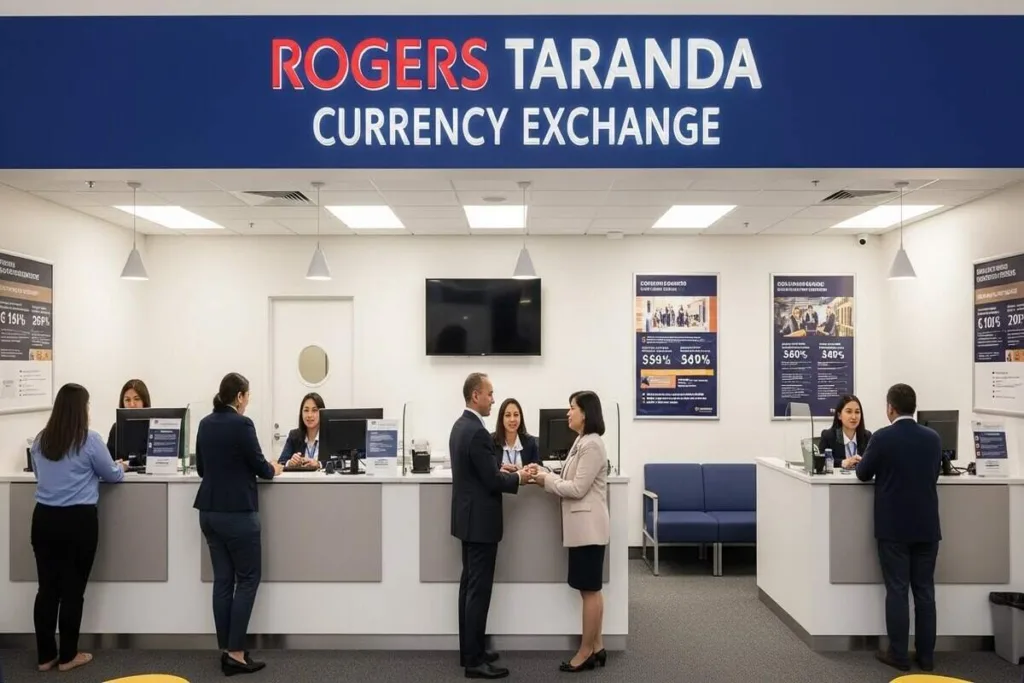
After you exchange currency at a counter, the transaction immediately moves into verification and settlement processes. You receive converted funds while the provider completes internal checks and records the exchange currency transaction securely.
For a broader understanding of retail currency exchange guidance, visit our guide on understanding currency exchange services for consumers.
Note: Financial institutions and money service businesses (MSBs) may perform identity verification as part of federal Anti-Money Laundering (AML) and Bank Secrecy Act (BSA) requirements.
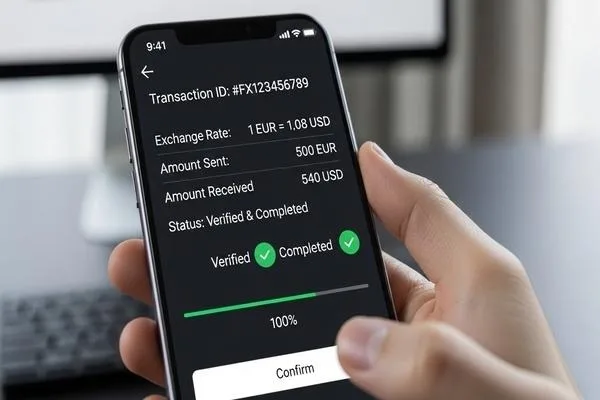
How Currency Exchange Transactions Are Verified And Completed
Before you walk away from the counter, your currency exchange transaction goes through a structured verification and confirmation process. This stage ensures that all details are accurate, your identity is properly validated and the converted funds are correctly issued. Service providers follow clear operational steps to match submitted cash with transaction records while generating official documentation. Understanding this process helps you confidently verify your funds, recognize valid receipts and ensure that every part of your transaction is completed correctly and securely.
These verification steps reflect standard operational practices used by many currency exchange providers. Specific identification requirements and compliance procedures may vary depending on the provider and applicable federal or state regulations. For example, financial institutions follow oversight expectations outlined by FinCEN guidance on transaction monitoring.
Identity And Transaction Validation
The service provider reviews your identity details and transaction information to ensure everything is accurate before completing the currency exchange process. This step helps confirm that your request matches the submitted cash and intended conversion. It also supports a smooth transaction flow by reducing the risk of discrepancies during processing.
Here is what typically happens:
- The provider checks your identification details against the transaction request to confirm accuracy and consistency.
- Staff verify that the submitted cash amount matches the declared value for the currency exchange.
- We review the requested conversion details to ensure they align with the correct currency and amount.
This validation stage plays a critical role in ensuring that your currency exchange transaction is processed correctly and securely. It helps prevent errors while maintaining reliable transaction handling across the service provider’s system. By completing these checks, providers ensure that every exchange meets operational standards and supports consistent service delivery for all customers.
Issuance Of Converted Currency
The provider counts and releases the converted currency directly to you after completing verification and confirming transaction accuracy. You should carefully recount the received amount at the counter to ensure it matches the confirmed exchange currency transaction details.
Receipt Generation And Documentation
The system generates a transaction receipt that records the exchange currency details, including amounts, rates and timestamps. Keep this receipt for reference, as it serves as proof of transaction and helps resolve any discrepancies later. Receipt formats and required information may differ depending on the service provider and applicable regulatory requirements. Exchange rates used in transactions are typically based on broader market data such as those published in Federal Reserve H.10 exchange rate reports.
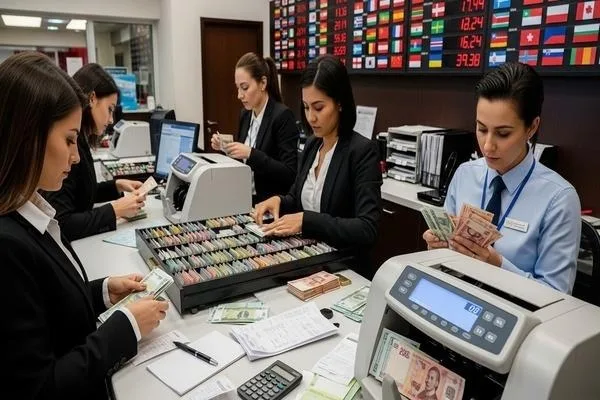
What Happens Behind The Scenes After A Currency Exchange Transaction
After you complete a currency exchange at the counter, the visible part of the transaction may end, but critical backend processes continue immediately. These internal steps properly record, balance, and align every currency exchange transaction with operational requirements. Providers manage cash flow, update financial systems and verify transaction accuracy to maintain consistency across all services.
Understanding this behind the scenes process helps you see how providers sustain reliable operations while ensuring that future currency exchange transactions remain smooth, secure and readily available for customers. Consumer education resources such as the FDIC Money Smart program also explain how financial transactions are tracked and managed responsibly.
Liquidity Adjustment And Cash Handling
The provider updates its cash reserves by reallocating currencies based on completed exchange currency transactions and operational liquidity requirements. This process ensures that sufficient currency remains available for future customers requesting similar exchange services at the counter. Customers can access these services through local branch locations that maintain currency availability based on demand.
Transaction Recording And Reporting
After completing a currency exchange, the provider records your transaction within internal financial systems for accurate tracking and documentation. This step ensures that every currency exchange activity is properly logged and aligns with operational workflows across the organization.
These internal recording practices support operational accuracy and transparency. The financial institution handles regulatory reporting obligations separately when applicable, in accordance with federal and state requirements. Additional oversight frameworks are outlined in U.S. Treasury exchange rate analysis policies.
Key details include:
- The system records transaction amounts and converted currency values for accurate financial tracking and reporting.
- The system captures time and date stamps to maintain a clear transaction history within the provider’s system.
- System entries support reconciliation processes that verify daily currency exchange activities against actual cash movements.
Accurate transaction recording strengthens transparency and helps maintain consistency across all exchange currency operations. It also ensures that providers can meet reporting standards while supporting internal reviews and performance monitoring. These records play a vital role in maintaining trust, allowing providers to quickly verify transactions and address discrepancies when necessary.
System Reconciliation And Monitoring
Internal systems reconcile the completed transaction against daily records to ensure all exchange currency activities align correctly. Monitoring tools flag inconsistencies, allowing staff to quickly address issues and maintain reliable transaction processing standards. These internal controls are part of standard operational risk management and are distinct from formal regulatory reporting requirements. Customers who need clarification on transactions can reach out through customer support assistance for further guidance.
Key Takeaways
- After you exchange currency at a counter, providers verify details and release funds while ensuring transaction accuracy and completeness.
- The confirmation process includes identity validation, currency issuance and receipt generation for proper documentation and user verification.
- Backend systems continue processing through liquidity adjustments, transaction recording and reconciliation after you receive converted funds.
- Internal monitoring ensures that every exchange currency transaction remains accurate, traceable and aligned with operational standards.
- The entire process ensures immediate access to funds while maintaining secure and reliable financial system operations.
- Operational procedures described above reflect general industry practices. Financial institutions manage regulatory obligations separately in accordance with applicable laws, and they do not include them in the customer-facing transaction experience.
Conclusion
After you exchange currency at a counter, you receive your funds immediately while the provider completes essential verification and backend processes. These steps ensure your transaction remains accurate, documented and securely integrated into financial systems. Understanding this flow helps you confidently verify your funds, keep proper records and complete transactions without uncertainty. Always review your received currency and retain your receipt for future reference and peace of mind. By knowing what happens after exchange currency transactions, you can approach every counter interaction with clarity, awareness and better control over your financial activities.
If you are ready to exchange currency quickly and securely, visit a trusted counter today and complete your transaction with confidence.
Providers follow internal operational standards to ensure accuracy and security, while they manage regulatory compliance requirements separately in accordance with applicable laws.
Disclaimer: Currency exchange processes may vary depending on provider procedures and operational requirements.
FAQs
Do I receive the converted money immediately after exchange?
Yes, you receive the converted currency immediately after verification and confirmation at the counter.
Why is it important to check the money before leaving?
Checking ensures the amount matches your transaction and helps prevent disputes or errors after leaving the counter.
What should I do with the receipt after the exchange?
Keep the receipt as proof of your transaction in case you need verification or clarification later.
Does the transaction continue after I leave the counter?
Yes, providers continue backend processing such as recording and reconciliation after you receive your funds.
Can errors be corrected after the transaction is completed?
Errors may be addressed if reported promptly with a valid receipt and supporting transaction details.

John is a Content & SEO Specialist who enjoys breaking down complex financial topics, like cross-border payments and money transfers, into content that’s easy to understand. He focuses on creating practical, search-driven content that helps people find answers and make informed decisions.