


Cross-border payments have rapidly transformed with the rise of digital wallets and fintech technology. These payments involve sending money internationally using digital platforms like mobile apps and online wallets. The growth of global e-commerce, remote work, and international business has driven the demand for faster, safer, and lower-cost cross-border transfers. Digital wallets simplify these payments by providing convenience, security, and reduced fees. However, cross-border transactions face challenges including regulatory compliance, currency exchange risks, fraud prevention, and technology gaps. Companies like OrderExpress follow strict compliance frameworks such as AML, OFAC, and KYC rules to ensure secure, legal transactions.
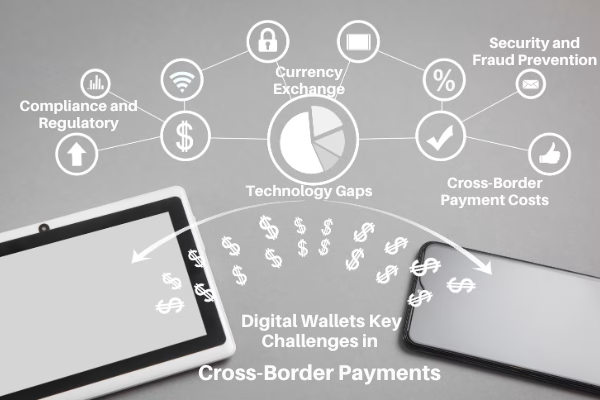
Key Challenges in Cross-Border Digital Payments
Cross-border digital payments have grown fast but still face many difficult challenges. These issues affect speed, cost, and security. They come from different areas, including regulations, technology limits, and operations.
Understanding Compliance and Regulatory Risks
Rules for cross-border payments vary by country. Each jurisdiction creates its own financial rules and systems. Payment providers must follow many different standards across borders, which can slow down the process. Anti-money laundering (AML) and counter-terrorism financing (CTF) rules vary worldwide. U.S. providers must comply with the Bank Secrecy Act, the PATRIOT Act, and OFAC guidelines. These laws require strong controls and trained staff to ensure proper compliance. Order Express follows its internal compliance program to meet these U.S. standards. This includes regular reviews, updated training, and secure systems. Some regions have added rules like the GDPR in Europe or the CCPA in California. These impact how personal data is stored and used. Before working with any third-party partner, OrderExpress ensures they meet all legal requirements. These steps help protect customers and support safe international transactions.
Currency Exchange and Finalizing Transactions
Cross-border payments often require converting one currency into another. This adds complexity and risk to every transaction. Exchange rates change quickly, which can cause value differences during transfers. These shifts can affect how much money is finally received. Settlement delays can also impact payment timing and reduce trust between parties. Delayed settlements may hurt cash flow and lead to confusion. OrderExpress follows strict due diligence when working with foreign agents or correspondent banks, such as those offering money transfer services. Risk reviews are part of the company’s compliance process. These steps ensure that all partners meet legal and financial safety standards.
Security and Fraud Prevention in Global Transfers
International payments carry high risks of fraud, identity theft, and data breaches. A 2020 financial report showed that 74% of firms faced payment fraud attempts. To protect clients, security tools such as encryption and two-factor login are essential. Suspicious Activity Reports (SAR) require constant monitoring of all transaction patterns. OrderExpress uses automated systems to flag any unusual payment behavior. Employees and agents are trained to report anything suspicious to compliance right away. These efforts help reduce fraud risks in every cross-border transaction. Resources about identity verification and fraud prevention can be found at the Consumer Financial Protection Bureau.
Technology Gaps Affecting Global Payments
Technology infrastructure is not the same in every country. Some areas have slower systems or limited digital access. These gaps can cause delays, errors, or poor user experiences during cross-border payments. OrderExpress reviews all agents and partners for technical readiness before starting any business relationship. This evaluation follows internal AML guidelines.
Due diligence includes checking whether partners can securely process digital transactions. Only partners meeting technical standards move forward. Know Your Customer (KYC) checks and system reviews are completed before approval. These reviews also apply to check cashing services partners and other payment providers.
Understanding Cross-Border Payment Costs
Sending money across borders often includes high fees. In 2020, the World Bank reported an average fee of 6.5% for $200. These costs may come from hidden charges, poor exchange rates, or multiple intermediary banks. Such issues reduce the final amount the recipient receives. OrderExpress checks all remittance-related third-party relationships for fair and transparent pricing. Partners must follow the Remittance Transfer Rule (Section 1073 of the Dodd-Frank Act). All pricing practices are reviewed to ensure clarity and compliance with cost-related regulations in cross-border payments. This includes partners offering courier services related to document or money transport.

New Developments in Cross-Border Payments
Even with challenges, new technologies are helping improve global payments. These changes aim to lower costs and speed up transfers.
Using Blockchain and Crypto Carefully
Blockchain can help settle payments faster and reduce transaction fees by removing middlemen. It works through secure, shared digital records. However, cryptocurrencies like Bitcoin and Ethereum are not without problems. They bring risks like market swings, fraud, and unclear regulations. OrderExpress does not support crypto payments at this time. Any future use must include BSA/AML controls, full registration, and regular monitoring. The IRS offers guidance on virtual currencies. New tools must always meet legal and safety standards before being used in any cross-border payment process. Some users may also access related bitcoin services under strict compliance.
Fintech’s Role in Global Payment Improvements
Fintech companies are changing how people send money across borders. Their platforms reduce costs and speed up transactions. Some use peer-to-peer (P2P) matching systems to avoid high exchange fees. These services must follow strict financial regulations. OrderExpress requires fintech partners to follow MSB rules, submit SAR/CTR reports, and complete BSA training. System access is limited, and regular audits are required to prevent abuse or fraud. Learn about fintech trends at Fintech Futures.
Growth of Mobile Payment Solutions
Mobile payment tools like M-Pesa help people without bank accounts send and receive funds. OrderExpress reviews all mobile payment agents using foreign agent checks, monitoring, and risk-based evaluations before approval. Mobile wallets like Apple Pay and Alipay simplify cross-border payments with secure and convenient features. This trend shows the growing intersection between mobile wallets and blockchain technology.
Central Bank Digital Currencies (CBDCs) May Streamline Global Transfers
CBDCs could combine digital ease with central bank trust. Many countries are still testing these digital currencies. If widely adopted, they may simplify remittance flows across borders. OrderExpress will wait for regulatory approval before considering any use. All AML controls and technical standards must be reviewed before adoption.
Improving Connections Between Systems
Global tools like SWIFT GPI help make payments faster and easier to track. OrderExpress supports these standards where relevant and ensures systems connect securely with internal AML processes.
Smarter Risk Controls with AI
Artificial intelligence helps spot fraud and automate exchange rates. OrderExpress requires AI tools to follow SAR rules, be auditable, and align with company policies.
What the Future Holds for Cross-Border Payments
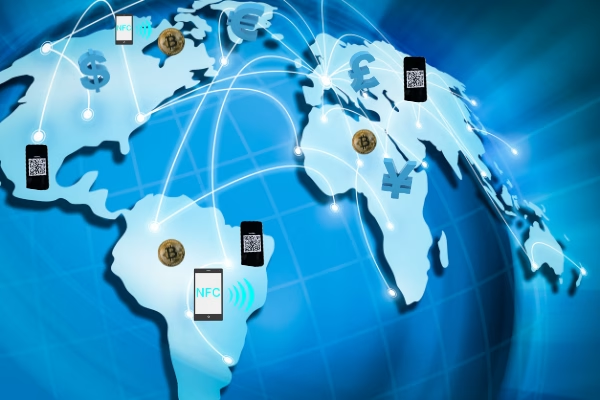
Cross-border payments are rapidly changing thanks to new technology. These advances make payments faster, safer, and more accessible globally. Innovations in fintech, digital tools, and regulations will shape how money moves across borders in the coming years. Companies like OrderExpress stay committed to following compliance rules while adopting these new solutions. The goal is to improve service quality while protecting customers and their data.
How Fintech and Open Banking Are Changing Payments
Fintech firms create innovative platforms that simplify sending money internationally. Open Banking enables secure data sharing through APIs. This allows faster and more customized payment services. OrderExpress requires any partner using Open Banking to meet strict data protection standards. Partners must also follow Know Your Customer (KYC) procedures. Full compliance reviews are done before integration to protect users.
Blockchain’s Role with Important Safeguards
Blockchain technology offers quicker transaction tracking and can reduce payment costs. However, it must follow strong regulatory controls. OrderExpress requires that all blockchain transactions undergo OFAC sanctions screening. Verifying both senders and receivers is mandatory to comply with the Travel Rule. All blockchain activity must be registered with U.S. regulatory authorities before it can be used. These safeguards help prevent fraud and illegal transactions.
The Rise of Digital Wallets in Cross-Border Payments
Digital wallets like Apple Pay and Alipay simplify sending money across borders. They offer users easy access to funds on mobile devices. OrderExpress carefully verifies that digital wallet providers have strong BSA/AML controls. Wallet partners must also comply with data privacy laws and protect consumer rights. These steps ensure wallets are safe and legally compliant for cross-border transactions.
Growing Use of Real-Time Payment Networks
Instant payment systems reduce delays and improve cash flow for users. Real-time payments allow funds to move quickly across countries. OrderExpress uses real-time payment systems only if CTR and SAR filing requirements are met. These systems must also follow data privacy regulations and maintain accurate records. Before any integration, security penetration tests are mandatory to protect customer information. Real-time payment platforms must link directly with transaction logging tools to ensure transparency.
Collaboration Between Fintechs and Banks
OrderExpress supports partnerships between fintech firms and traditional banks to improve global payments. These collaborations speed up innovation and widen access. All fintech partners must complete agent training and maintain strict transaction monitoring programs. These controls help detect and prevent fraud. Formal agreements govern each partnership, and yearly risk assessments are required. These reviews ensure ongoing compliance and address emerging risks.
The Potential of CBDCs and Stablecoins
Central Bank Digital Currencies (CBDCs) and stablecoins could lower costs for cross-border payments. These digital currencies aim to combine convenience and stability. Their broader use depends on clear and consistent regulatory guidance from global authorities. OrderExpress currently does not support stablecoins or cryptocurrencies for remittances. Before any adoption, all compliance controls must be fully verified. Read more about digital currencies on Blockchain.com’s learning portal.
Progress Toward Global Regulatory Consistency
International organizations like the Financial Action Task Force (FATF) work to harmonize AML and CFT regulations worldwide. This helps reduce confusion caused by differing local rules. OrderExpress supports such efforts to minimize regulatory fragmentation across borders. The company actively participates in international forums to stay updated on regulatory changes. Better alignment helps improve detection and reporting of suspicious activities, enhancing overall compliance.
Promoting Financial Inclusion for Everyone
Innovations in cross-border payments must support unbanked and underserved populations. Access to safe financial services should be fair and easy. OrderExpress requires partners to implement customer identification (CIP) and verification procedures that match the company’s KYC policies. Records of these processes and transactions must be kept for at least five years. All information must be readily available for audits when regulators or internal teams request it. OrderExpress also offers vehicle services to assist customers in related cross-border needs.
Emphasizing Sustainability and Fair Business Practices
Future payment strategies will focus on ethical pricing and social equity. Customers deserve transparent fees and respectful treatment. OrderExpress evaluates third-party vendors to ensure fair pricing and strong consumer protections. Commitment to environmental, social, and governance (ESG) principles is essential when choosing partners. Reducing environmental impact, such as minimizing carbon footprints, will be part of future vendor evaluations. This approach supports responsible growth while protecting both people and the planet.
Conclusion
Cross-border payments continue to evolve with new technology, boosting speed, security, and accessibility. Digital wallets and fintech innovations lower costs and simplify transfers. Regulatory compliance remains critical to protect users and maintain trust. Companies like OrderExpress ensure partners meet strict rules and data standards. Challenges like currency fluctuations and fraud risks require ongoing diligence. Emerging trends such as blockchain and real-time payments promise more efficient solutions. Financial inclusion and ethical practices will shape the industry’s future. Staying informed and compliant will help businesses and customers thrive in global payments. Contact OrderExpress today!
Disclaimer: This article is for informational purposes only and does not constitute legal advice.
FAQs
What are cross-border digital payments?
Cross-border payments happen when money moves between people in different countries. Digital tools like wallets and apps help make these transfers easier.
How do digital wallets help with cross-border payments?
Digital wallets simplify international transfers by offering fast, secure, and low-cost options. They enable users to send and receive money globally.
What regulatory challenges affect cross-border payments?
Each country has different rules. Providers must comply with anti-money laundering, sanctions, and data privacy laws to operate legally.
How does OrderExpress ensure payment security?
OrderExpress uses encryption, monitoring systems, and trained staff to detect fraud and suspicious activity in all transactions.
What trends are shaping the future of cross-border payments?
Fintech growth, blockchain, real-time payments, and digital currencies are improving speed, reducing costs, and increasing payment transparency worldwide.

John is a Content & SEO Specialist who enjoys breaking down complex financial topics, like cross-border payments and money transfers, into content that’s easy to understand. He focuses on creating practical, search-driven content that helps people find answers and make informed decisions.


