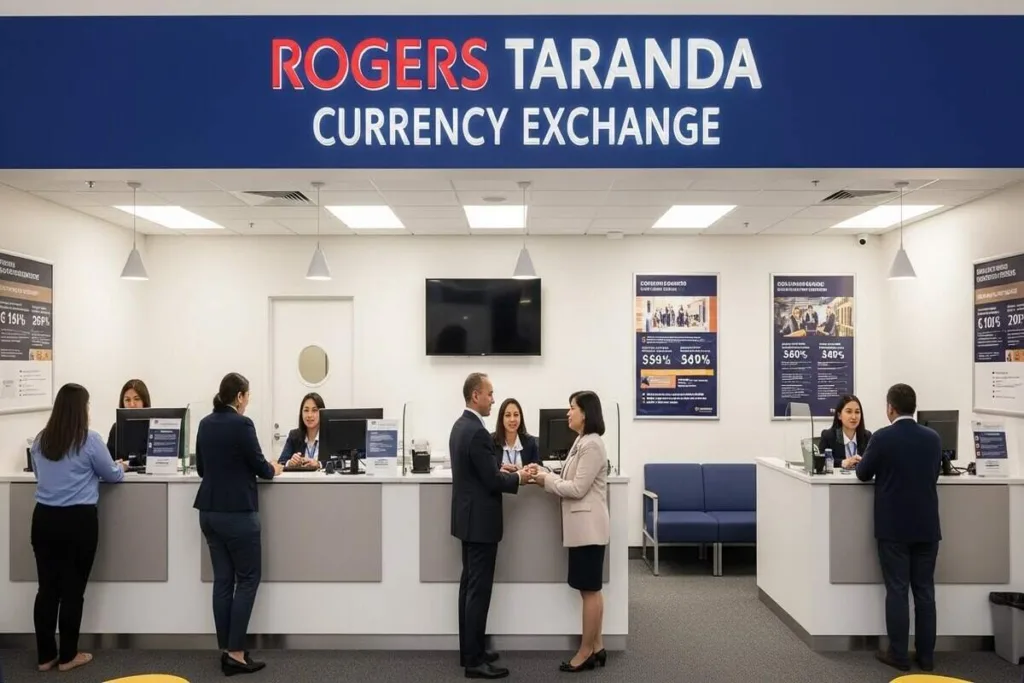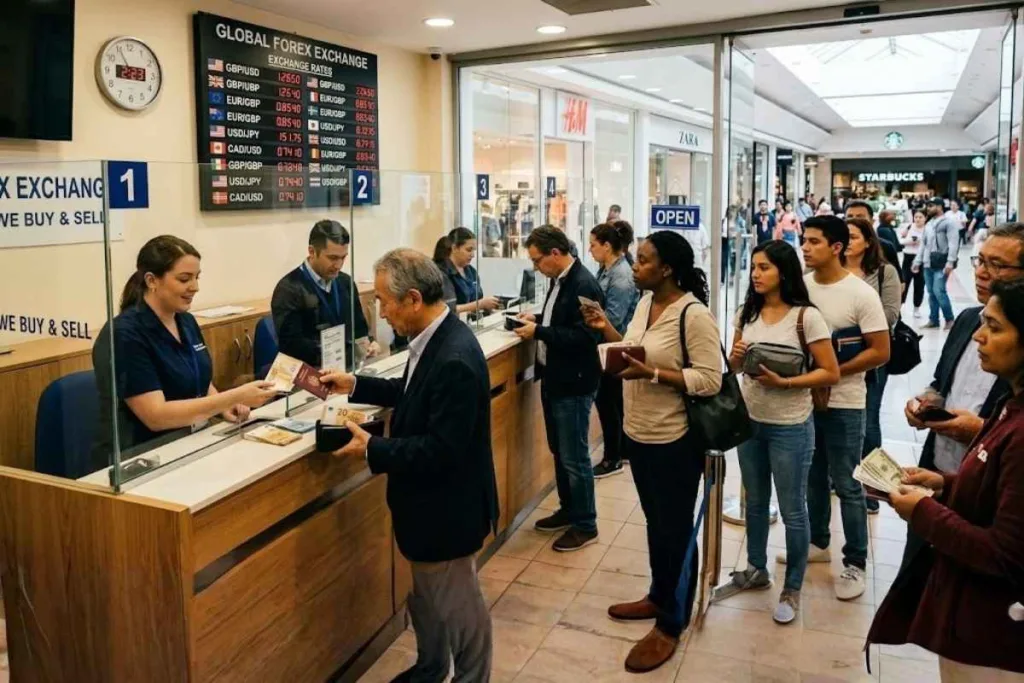
Currency exchange locations are typically busier on weekends, especially on Saturdays, particularly during the middle of the day and early afternoon, are often among the busiest periods at many currency exchange locations. Sunday traffic depends on location, staffing and nearby retail activity, but many customers experience moderate to high volume during peak travel periods.
Direct Answer: Currency exchange locations are generally busiest on Saturdays because many customers complete financial errands over the weekend. Sunday traffic varies by location, operating hours, and nearby retail activity, so wait times depend on local demand rather than a fixed schedule.
Weekend demand follows predictable customer behavior patterns that influence currency exchange busy times, currency exchange wait times, and the best time to exchange currency depending on your location. Understanding these patterns can help you plan your visit more efficiently.
If you are planning ahead, our broader guide on Currency Exchange Near Me: Find Locations And Compare Rates provides additional guidance on comparing services and preparing before visiting.
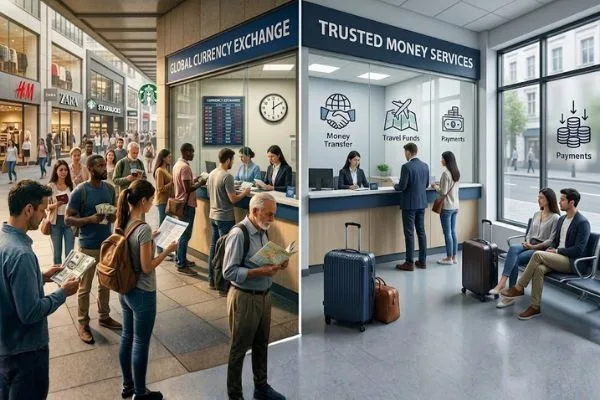
Weekend Customer Timing Patterns Drive Higher Foot Traffic
Weekend traffic increases because customers have more flexibility to complete in-person financial transactions. Retail financial service locations often see concentrated activity within specific time windows.
Saturday Is Typically The Busiest Day
Saturday consistently generates the highest weekend transaction volume across most currency exchange locations. Customers combine errands, bill payments and financial services into one consolidated trip.
Peak activity typically occurs:
- Peak activity often occurs during the middle portion of the day, although actual traffic varies by location, staffing, customer demand, and seasonal travel patterns.
- After nearby banks close
- During pay cycle weekends
Customers frequently complete multiple services in one visit, including:
- Currency exchange before upcoming travel
- Money transfer to family members
- Money orders for rent or utility payments
Because exchange rates fluctuate throughout the week, some customers monitor rate movement before visiting on Saturday. According to the Federal Reserve H.10 exchange rates publication, exchange rate values fluctuate regularly based on global market activity. Exchange rate variability and visible spread or markup differences may influence timing decisions, particularly for larger currency transactions.
Sunday Traffic Depends On Location Type
Sunday volume depends heavily on surrounding retail activity and neighborhood demographics. Locations inside shopping corridors often see steady but shorter transaction bursts.
Standalone locations may experience different traffic patterns depending on local demand, operating hours, staffing, and nearby commercial activity.
If you plan to exchange currency on Sunday, consider calling ahead to confirm hours and available services. You can verify details directly through the Order Express contact page before making a special trip. Some customers combine Sunday visits with money transfers before international business days begin overseas.
Holiday And Travel Seasons Increase Weekend Volume
Weekend traffic increases significantly before major travel holidays and school breaks. Customers often wait until the weekend immediately preceding departure to exchange currency.
You may notice higher volume:
- Before summer travel season
- Prior to winter holidays
- Around spring break travel periods
During these times, transaction-dependent outcomes such as exchange rate availability or specific currency inventory may vary. The U.S. Department of the Treasury also publishes information regarding international exchange-rate policy and market developments. Arriving earlier in the day may help reduce wait times and support smoother processing.
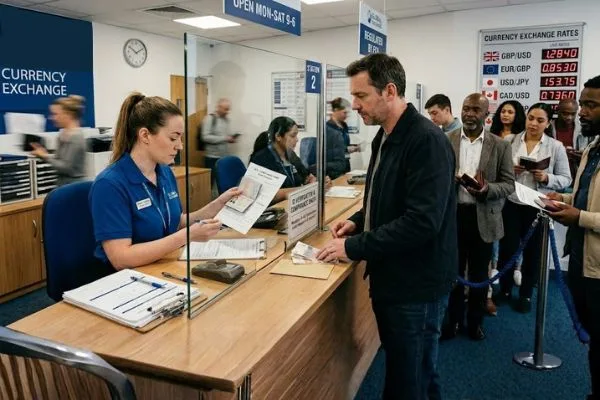
Transaction Complexity And Compliance Reviews Affect Wait Times
Weekend busyness does not only reflect foot traffic volume. Transaction type and required identity verification also influence how quickly lines move.
Currency Exchange And Money Transfers Require Verification
Certain transactions may require identity verification under federal anti-money laundering regulations that apply to financial service providers. As a licensed Money Services Business registered with FinCEN, Order Express operates within applicable Bank Secrecy Act requirements that govern regulated financial institutions.
Public information about financial crime oversight is available through the Financial Crimes Enforcement Network.
Order Express maintains compliance programs that support customer identification, transaction monitoring, recordkeeping, and reporting obligations required under applicable federal and state regulations. These processes are designed to help protect customers and the integrity of the financial system.
For example, identity verification may apply when:
- Currency exchange exceeds recordkeeping or reporting thresholds established under applicable federal anti-money laundering regulations or other applicable legal requirements.
- Money transfers meet applicable recordkeeping or reporting thresholds under federal regulations or other applicable legal requirements.
- Multiple transactions aggregate within short time periods
These reviews protect both the customer and the financial system. However, they may extend processing time during already busy weekend hours. If you plan to send funds internationally, reviewing Order Express money transfer services ahead of time may help you prepare documentation in advance.
Larger Or Aggregated Transactions Take Longer
Larger currency exchange transactions may require additional documentation or source-of-funds clarification. Customers exchanging higher amounts often spend more time completing forms and verification steps.
If you anticipate exchanging a larger amount, prepare:
- A valid government-issued identification
- Payment method details
- Travel information if requested
Understanding spread or markup awareness also matters for larger exchanges. Consumer education resources such as the FDIC Money Smart financial education program provide general guidance on managing financial transactions responsibly. Even small rate differences can affect final payout amounts when transaction values increase.
Multi-Service Visits Increase Counter Time
Customers frequently complete several retail financial services in one visit, contributing to longer money transfer busy hours and higher weekend demand. Combining currency exchange, money transfer and money orders increases processing time per customer. Services such as in-person check access may also affect timing, particularly when using Order Express check cashing services during peak periods.
Common bundled weekend transactions include:
- Exchanging currency for travel
- Sending a money transfer abroad
- Purchasing a money order for rent
When multiple customers conduct bundled services during peak hours, wait times may increase accordingly. Consumer protections related to remittance disclosures are explained by the Consumer Financial Protection Bureau sending money resources, which outline transparency expectations for cross-border transfers.
Clarification For Planning: Weekend busyness reflects both higher customer volume and longer average transaction time per visitor.
If your visit involves multiple services, arriving early may reduce overall time spent waiting.
Order Express operates as a licensed Money Services Business and follows applicable compliance requirements designed to support secure and transparent transactions.
Key Takeaways
- Currency exchange locations are typically busiest on Saturdays between late morning and early evening hours.
- Sunday traffic varies by neighborhood but often increases in shopping and travel-focused districts.
- Larger or aggregated transactions may require identity verification, increasing processing time during peak hours.
- Multi-service visits involving currency exchange, money transfer and money orders can extend weekend wait times.
- Arriving earlier in the day may help reduce delays, especially before holidays or major travel periods.
Frequently Asked Questions
Q: What Is The Least Busy Time For Currency Exchange On Weekends?
A: Early Saturday mornings and early Sunday openings typically experience lighter foot traffic before midday demand increases.
Q: Do Exchange Rates Change On Weekends?
A: Exchange rates may reflect market movement from prior business days, and retail spreads or markups can vary by provider.
Q: Are All Services Available During Weekend Hours?
A: Most locations offer core services, but availability may depend on staffing and local operating schedules.
Q: Does A Larger Currency Exchange Take Longer On Weekends?
A: Yes. Larger amounts may require identity verification or documentation review, which can extend processing time.
Q: Should I Bring Identification For Weekend Currency Exchange?
A: Yes. Bring a valid government-issued identification, especially for higher transaction amounts or money transfer services.
Q: What Is The Best Time To Exchange Currency?
A: Early in the day or outside peak weekend travel periods may help reduce wait times, although traffic varies by location.
Conclusion
Currency exchange locations are generally busiest on Saturdays from late morning through early evening. Sunday traffic depends on surrounding retail activity and neighborhood demand patterns. Two primary factors drive weekend busyness: concentrated customer timing and longer transaction processing due to verification requirements or multi-service visits. If you plan to exchange currency, send a money transfer or purchase money orders, arriving earlier in the day may help reduce wait times. Preparing valid identification when appropriate, understanding that exchange rates fluctuate, and recognizing that certain transactions may require additional verification can help you prepare for your visit and reduce unexpected delays.
Note: Order Express operates as a registered Money Services Business (MSB) and complies with applicable federal and state regulatory requirements, including Bank Secrecy Act (BSA) and anti-money laundering (AML) obligations applicable to its services. Applicable verification, recordkeeping, transaction monitoring, and reporting requirements vary depending on the transaction type, amount, and jurisdiction.
Review current rates or visit a nearby Order Express location to prepare your transaction with greater clarity and confidence.
Disclaimer: This content is provided for informational purposes only and does not constitute financial, tax, or legal advice. Exchange rates, fees, service availability, and verification requirements may vary by provider, transaction type, applicable regulations, and location.

John is a Content & SEO Specialist who enjoys breaking down complex financial topics, like cross-border payments and money transfers, into content that’s easy to understand. He focuses on creating practical, search-driven content that helps people find answers and make informed decisions.