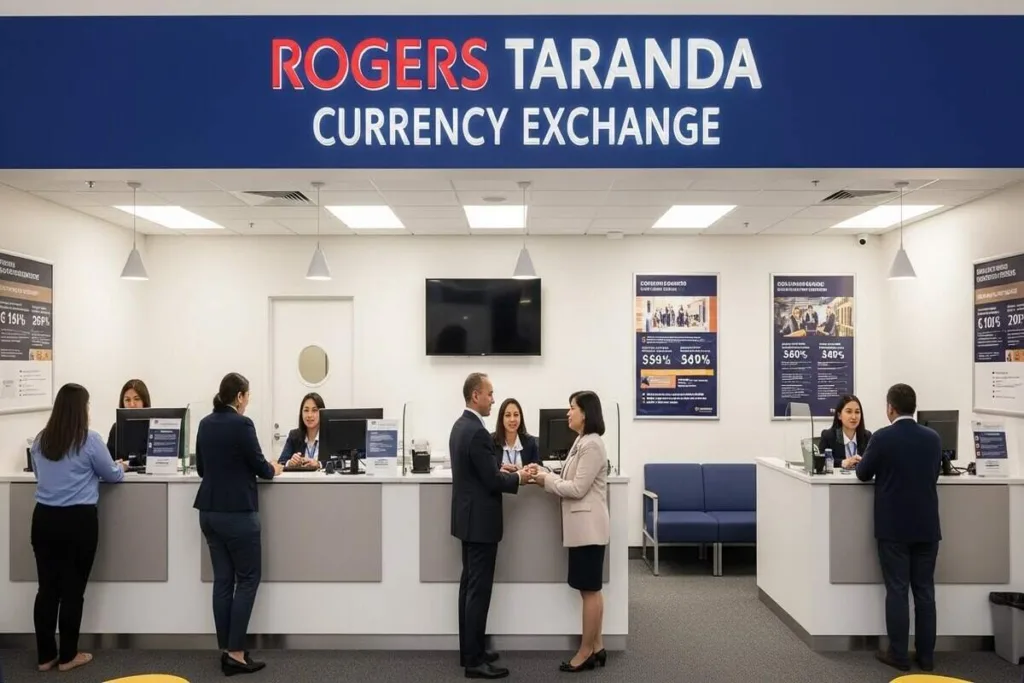
International visitors often need currency exchange services when foreign cash must be converted into usable local funds for travel, transportation, meals, lodging, or other day-to-day expenses. Currency exchange also helps travelers manage leftover foreign banknotes after returning home or prepare for spending abroad before departure. General guidance about retail currency exchange services can help readers better understand how these transactions are commonly handled within regulated financial environments.
Whether traveling for business, tourism, education, or family visits, understanding how currency exchange works can help visitors prepare for common financial situations before, during, and after international travel.
Requirements, exchange availability, and transaction outcomes may vary depending on provider policies, jurisdiction, currency type, and applicable legal or regulatory requirements. Some currency exchange providers may operate within regulatory frameworks that include customer verification, recordkeeping, and anti-money laundering requirements, depending on jurisdiction and applicable laws.
Reviewed by the Order Express Compliance Team
This educational article was reviewed for general regulatory accuracy and consumer education purposes. It does not constitute legal, financial, or tax advice.

Common Situations Where Currency Exchange May Support International Visitors
International travel often creates situations where visitors need practical access to destination currency rather than relying entirely on digital payment methods. Currency exchange helps travelers convert foreign cash into funds that may be accepted more easily in the country they are visiting. Understanding when these services become useful can help visitors prepare more effectively before and during a trip.
Visitors may also encounter differences in payment infrastructure, exchange availability, and currency acceptance depending on the destination. Some travelers exchange funds before departure, while others convert money after arrival based on immediate spending needs. Reviewing these common situations supports informed decisions and clearer expectations when using currency exchange services.
For example, an international visitor arriving in the United States may need local currency to pay for airport transportation, small restaurants, parking meters, public transit, or other businesses that may not accept international cards. Likewise, a U.S. traveler visiting another country may exchange currency before departure to cover immediate expenses upon arrival.
Preparing For International Travel Expenses
Many travelers use currency exchange before departure to prepare for transportation, food purchases, or small expenses immediately after arrival. Having local cash available may help reduce uncertainty in areas where cards or mobile payments are less commonly accepted.
For instance, a traveler arriving late at night may prefer carrying a modest amount of local currency for taxis, snacks, or emergency purchases before reaching accommodations.
Before exchanging funds, travelers often review practical considerations such as:
- Local reliance on cash for everyday purchases
- Availability of exchange services at the destination
- Current exchange rate fluctuations
- Estimated short-term spending needs
Exchange rates are not guaranteed and may vary until the transaction is completed. Customers who exchange foreign currency before travel may benefit from reviewing rates and currency availability in advance. Publicly available foreign exchange information can also be reviewed through the Federal Reserve H.10 exchange rate data.
Managing Cash During Overseas Travel
While traveling internationally, visitors may need additional foreign currency exchange if spending patterns change or travel plans expand unexpectedly. This can happen when travelers extend hotel stays, visit multiple countries, or encounter locations where electronic payments are limited.
Currency exchange providers may review foreign banknotes for authenticity, circulation status, and condition before completing a transaction. Certain bills may not be accepted if they are heavily damaged, altered, or no longer in circulation. These determinations are made by the provider based on operational standards and applicable compliance requirements. General financial education resources related to consumer financial awareness are also available through the FDIC Money Smart program.
Converting Leftover Foreign Currency After Returning Home
After international travel, visitors often return with unused foreign cash that cannot easily be spent domestically. Currency exchange allows those funds to be converted back into local currency for future use or personal financial needs.
Customers may consider exchanging leftover funds when:
- The foreign currency is still actively circulating
- Bills remain in acceptable physical condition
- Future international travel is not planned soon
- The customer prefers not to retain unused cash holdings
Licensed providers may apply verification, documentation, or recordkeeping procedures depending on the transaction type and applicable legal or regulatory requirements.
Supporting Visiting Friends Or Family Members
International visitors staying with relatives or friends may need currency exchange services to manage transportation, dining, shopping, or temporary living expenses during their stay. This can help visitors access usable local funds without establishing a domestic banking relationship.
In many cases, visitors prefer exchanging physical cash through licensed providers that follow applicable federal and state requirements. Some providers may apply verification or transaction review procedures depending on their compliance obligations and operating jurisdiction. Additional information about financial institution compliance frameworks is available through the FinCEN AML Act overview.
Visitors exploring international financial services may also benefit from understanding how everyday foreign currency exchange operate before completing a transaction.

What International Visitors Should Understand Before Using Currency Exchange Services
Currency exchange services may operate within regulated financial environments depending on the provider, jurisdiction, and transaction type. Visitors benefit from understanding that exchanges are not informal transactions but structured financial services guided by provider procedures and applicable regulations.
Preparation helps reduce delays and confusion during the exchange process. Visitors who understand documentation expectations, exchange rate variability, and transaction review procedures are generally better positioned to complete transactions confidently and efficiently.
Identification And Verification May Apply
Identification may be required depending on the transaction type, amount, currency involved, destination considerations, and applicable legal or regulatory requirements. Whether identification applies is determined solely by the provider based on internal compliance programs and governing law.
Customers may be expected to provide accurate and complete information when requested to support compliance with applicable regulations. Verification procedures may be used to support applicable legal, regulatory, or provider requirements.
Not all transactions require identification, and requirements may vary by provider, jurisdiction, and transaction characteristics. General regulatory and financial institution oversight information is available through FinCEN guidance resources.
Exchange Rates And Availability Can Change
Currency foreign exchange rates fluctuate regularly based on market conditions, provider operations, and currency availability. International visitors should understand that quoted rates may change before the transaction is finalized.
Availability may also vary depending on:
- The currency requested
- Demand for specific denominations
- Timing of the exchange request
- Provider inventory limitations
Reviewing exchange details carefully before completing the transaction can help visitors understand the final converted amount and avoid misunderstandings.
Recordkeeping And Compliance Procedures Are Part Of Regulated Services
Currency exchange providers that are licensed or otherwise authorized to operate where required by applicable law commonly follow compliance, recordkeeping, and customer service procedures based on their regulatory obligations.
These responsibilities are handled solely by the provider and are not determined by customer preference. Compliance procedures exist to support lawful financial activity and protect the integrity of regulated financial services.
Providers may also comply with applicable U.S. sanctions requirements and other legal obligations as part of their overall regulatory responsibilities. These processes are conducted by the provider in accordance with applicable laws and internal compliance programs.
Choosing Licensed Currency Exchange Providers
International visitors may consider using licensed or registered providers rather than informal exchange arrangements. Licensed providers may follow standardized procedures related to transaction handling, documentation, and customer disclosures.
Visitors often look for providers that offer:
- Clear transaction explanations
- Written receipts or documentation
- Structured in-person review procedures
- Consistent handling standards
Some travelers may choose to review branch locations for general service availability information before initiating a transaction. This type of preparation can help visitors understand what documentation or review steps may apply.
Conclusion
Currency exchange becomes helpful for international visitors when foreign cash must be converted for travel expenses, temporary stays, transportation, or post-travel financial management. Understanding exchange timing, documentation considerations, verification procedures, and exchange rate variability helps travelers approach these services with realistic expectations. Licensed providers apply structured processes designed to support transparency, lawful handling of funds, and accurate transaction review.
Visitors who prepare in advance and review provider requirements carefully may experience smoother transactions and fewer delays. Currency exchange services operate within regulated financial frameworks, and compliance procedures may vary depending on provider policies, jurisdiction, transaction characteristics, and applicable legal or regulatory obligations. Awareness of these factors may help travelers make informed decisions when using foreign currency exchange during international travel.
Travelers may consider using licensed or registered currency exchange providers when converting foreign currency for travel or visitor-related financial needs.
Planning ahead, understanding documentation requirements, and selecting a reputable currency exchange provider can help international visitors manage foreign currency more confidently throughout their trip.
This content is provided for general informational purposes only and does not constitute legal, financial, or regulatory advice.
Frequently Asked Questions
When do international visitors usually need currency exchange services?
Visitors commonly exchange currency before departure, shortly after arriving at their destination, while traveling if additional cash is needed, or after returning home with unused foreign banknotes.
Can foreign visitors exchange currency without a domestic bank account?
Yes, some licensed providers may offer currency exchange services without requiring a domestic bank account, depending on applicable requirements.
Do all currency exchange transactions require identification?
Identification may be required depending on the transaction type, amount, provider policies, and applicable legal or regulatory requirements.
Why do exchange rates change during international travel periods?
foreign exchange rates may fluctuate based on market conditions, currency demand, provider operations, and timing.
Can damaged foreign bills be exchanged through licensed providers?
Acceptance of damaged foreign banknotes depends on provider standards, bill condition, and whether the currency remains in circulation.

Alvin is a Content and SEO Specialist who creates clear and helpful content about money transfers and payment systems. He focuses on making complex topics easy to understand so readers can learn how these services work in everyday situations.