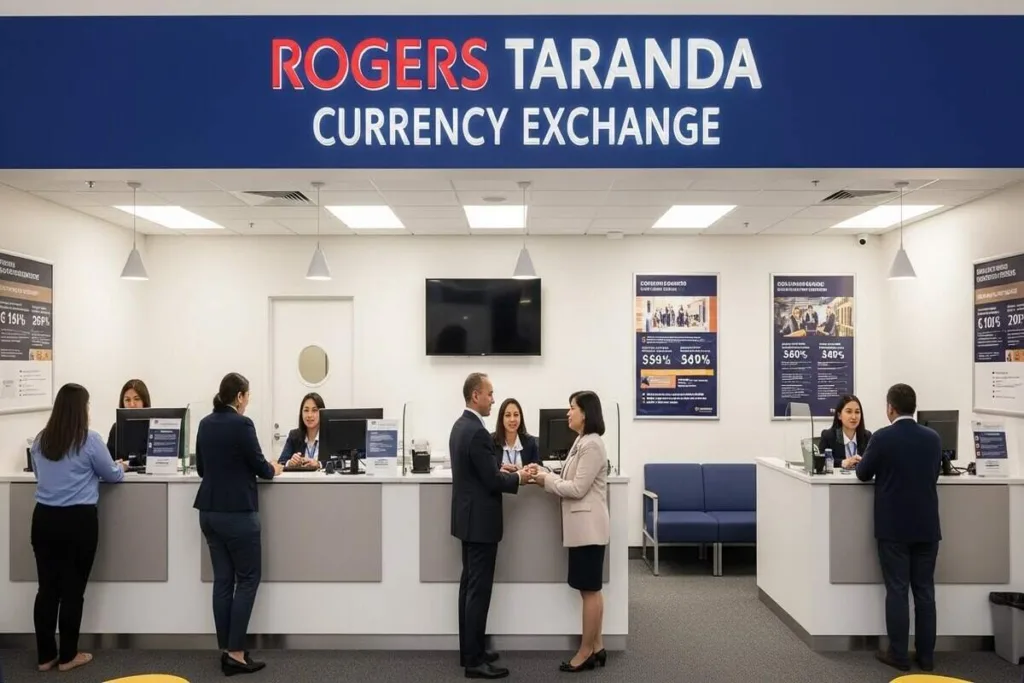
Currency exchange services allow individuals to convert foreign cash into local currency or obtain international funds for travel, business, or cross-border financial needs. These services follow structured processes that include currency review, transaction confirmation, and compliance-based verification handled by licensed providers.
Delays at the counter often result from missing information, unprepared documents, or misunderstandings about how transactions are processed. This guide provides practical steps to help customers prepare in advance, understand service expectations, and complete exchanges more efficiently with fewer interruptions. For broader context, readers can review practical retail exchange guidance.

Prepare Before Arriving At The Currency Exchange Counter To Avoid Delays
Preparation is the most effective way to avoid delays during a transaction. Currency exchange services follow structured procedures that include reviewing foreign cash, confirming details, and applying verification steps where required. These processes are applied consistently to meet regulatory requirements.
Customers who take time to prepare before visiting a location reduce the likelihood of repeated visits or extended processing times. Simple steps such as organizing currency, checking requirements, and understanding timing expectations help create a smoother experience when converting funds for travel or personal use.
Organize And Review Foreign Currency In Advance
Organizing your funds before visiting a currency exchange counter helps speed up the review process and reduces unnecessary delays. Providers examine banknotes for authenticity, condition, and eligibility, so presenting organized and usable bills supports efficient handling.
Separate notes by denomination and remove damaged or defaced bills before arriving. This allows staff to review your currency more quickly and reduces follow-up questions. If you plan to convert dollars to pesos or another currency, knowing what you have prepared helps avoid confusion during the transaction and supports accurate processing.
Confirm Identification And Required Information
Bringing proper documentation helps avoid delays because identification requirements may apply depending on transaction details such as amount and service type. Licensed currency exchange providers follow Anti-Money Laundering (AML) and Bank Secrecy Act (BSA) requirements, which may include customer identification, transaction verification, and recordkeeping obligations under applicable regulations.
Customers preparing for international travel or converting funds should carry valid identification and confirm recipient or transaction details if applicable. Certain transaction amounts may require additional documentation, verification, or reporting under applicable federal or state requirements. Having this information ready prevents interruptions during processing and allows the provider to complete required steps efficiently without pausing the transaction for missing details.
Understand Currency Acceptance And Availability
Understanding which currencies are accepted helps prevent delays when you arrive at a currency exchange location. Not all foreign bills qualify for exchange, especially if they are outdated, heavily worn, or no longer in circulation.
Customers may experience fewer delays by confirming whether their currency type and condition meet provider standards before visiting. This is especially useful when handling leftover travel funds or less common denominations. Reviewing acceptance expectations in advance reduces uncertainty and helps ensure the transaction can proceed without delays caused by ineligible currency.
Plan Timing And Avoid Peak Hours
Timing plays a practical role in how long a currency exchange transaction takes. Customers visiting during busy periods may experience longer wait times because higher transaction volumes can increase processing and verification time. Customers who visit during busy periods may experience longer wait times due to higher transaction volume and required verification steps.
Planning your visit during standard business hours with fewer customers allows more time for careful review and clear communication. This approach supports a smoother process, especially when you need to review exchange rate fluctuations or ask questions before completing the transaction. Additional public information on currency values is available through U.S. Treasury currency analysis resources.

Follow Best Practices During The Transaction
Even with preparation, how you approach the transaction at the counter directly affects processing time. Currency exchange services follow structured steps that include verification, confirmation, documentation, and regulatory compliance procedures designed to support secure financial transactions.
Staying attentive, reviewing details carefully, and communicating clearly with staff ensures the transaction moves forward without repeated corrections. Customers who understand the process and remain organized during the exchange typically complete transactions more efficiently.
Provide Accurate Information At The Counter
Providing correct details at the start helps prevent delays because currency exchange transactions rely on accurate information. This includes confirming the currency type, amount, and intended exchange direction before processing begins.
Errors in details can slow down the transaction and require corrections that interrupt the workflow. Customers who exchange foreign currency for travel or personal needs should also ensure they meet any applicable identification or documentation requirements before the transaction begins.
Review Exchange Rates And Transaction Details Carefully
Reviewing exchange rates and transaction details before confirmation helps avoid misunderstandings that can delay completion. Understanding why currency exchange transactions sometimes take longer allows customers to prepare realistic expectations before arriving. Exchange rates may change, and the final amount should always be reviewed carefully before agreeing to proceed.
For general guidance on preparing for these steps, customers may review publicly available educational resources on currency exchange services. Taking time to confirm details ensures clarity and supports accurate outcomes when converting funds for international expenses or travel needs.
Follow Staff Instructions And Standard Procedures
Following instructions from staff helps maintain an efficient transaction flow because currency exchange services operate under standardized procedures. These steps exist to ensure accuracy, compliance, and proper documentation.
Customers should expect consistent processes such as currency review, verification, and confirmation. Cooperating with these steps without interruption allows the provider to complete required actions efficiently and reduces delays caused by repeated explanations or skipped steps. Regulatory oversight for these processes is outlined in FinCEN guidance.
Keep Transaction Records And Receipts Organized
Keeping records organized helps avoid delays if questions arise during or after the transaction. Receipts provide confirmation of the exchange and support personal tracking of funds, especially when managing international travel expenses.
Customers benefit from reviewing receipts before leaving the counter and storing them securely. This practice ensures that any discrepancies can be addressed immediately and reduces the need for follow-up visits related to missing or unclear transaction details. Customers can also check nearby local branch service locations if follow-up assistance is needed.
Conclusion
Avoiding delays at the currency exchange counter starts with preparation and continues through clear communication during the transaction. Organizing foreign currency, confirming identification requirements, and understanding acceptance standards help reduce common issues before arrival. At the counter, providing accurate information, reviewing details carefully, and following standard procedures support efficient processing.
Currency exchange operates within regulated frameworks that guide verification, documentation, and transaction handling. These safeguards exist to protect customers and ensure consistent service delivery. By approaching the process with realistic expectations and proper preparation, customers can exchange foreign currency more efficiently and complete transactions with fewer disruptions.
Licensed currency exchange providers operate within applicable federal and state regulatory frameworks and follow established financial service procedures designed to support accurate transaction processing, customer verification, and compliance obligations.
Order Express provides currency exchange services through standardized operating procedures designed to support regulatory compliance, transaction accuracy, and responsible financial service practices.
Educational Disclaimer:
This content is provided for general informational purposes only and does not constitute legal, financial, or regulatory advice.
Frequently Asked Questions
What causes delays at a currency exchange counter most often?
Delays usually occur due to missing identification, disorganized currency, or incorrect transaction details requiring clarification during processing.
Do I need identification to exchange foreign currency?
Identification requirements depend on transaction details such as amount and service type and are based on applicable regulatory requirements.
Can damaged foreign bills cause delays during exchange?
Yes, damaged or outdated bills may require additional review or may not be accepted by the provider.
Why should I review exchange rates before confirming a transaction?
Exchange rates affect final amounts, so reviewing them helps ensure clarity before completing the transaction at the counter.
Is it faster to exchange currency during certain times of the day?
Yes, visiting during less busy hours may reduce wait times and allow smoother processing at the counter.
How long does a currency exchange transaction usually take?
Most transactions are completed quickly when customers arrive with valid identification, eligible currency, and complete transaction information. Processing times may vary depending on transaction details and required verification procedures.
What documents may be required for currency exchange in the United States?
Requirements vary depending on the transaction amount, service requested, and applicable regulations. Customers may be asked to present valid government-issued identification or provide additional information when required by law.

Alvin is a Content and SEO Specialist who creates clear and helpful content about money transfers and payment systems. He focuses on making complex topics easy to understand so readers can learn how these services work in everyday situations.