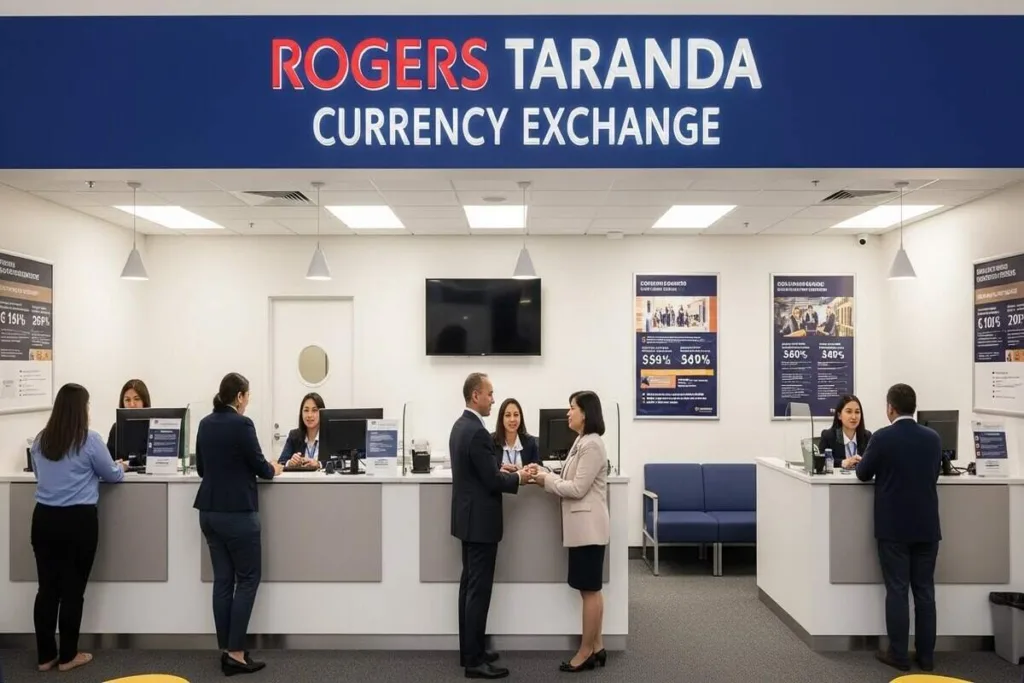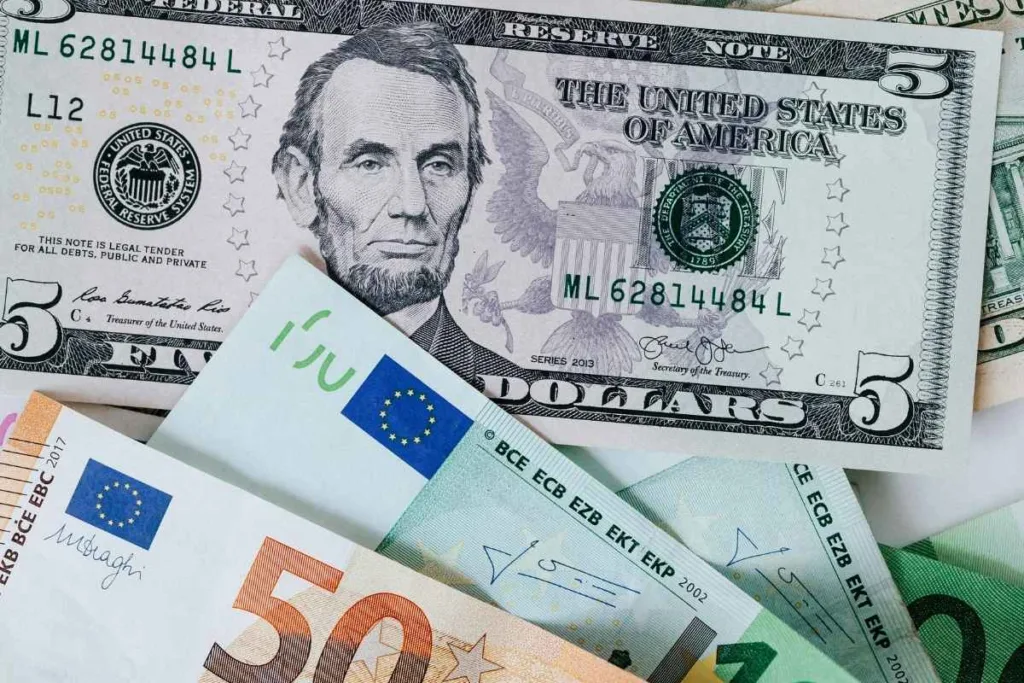
Foreign currency exchange services allow individuals and businesses to convert one national currency into another to complete international payments. These services support financial transactions that require local currency, including travel expenses, overseas purchases, and cross-border financial obligations. Readers seeking practical retail currency guidance can review retail currency exchange services for travelers to better understand international payment flexibility and currency conversion options.
These services also support flexible international payments for travelers who need access to local currency while abroad.
Payment flexibility becomes important when different countries rely on different currencies or payment methods. This article provides practical guidance on how currency exchange supports everyday payment situations, including preparing funds before travel, managing exchange rate differences, and choosing reliable conversion options when paying internationally.
Practical Ways Currency Exchange Enables Payment Flexibility
Access to multiple currencies allows travelers and international shoppers to adjust their payment method depending on location, vendor preference, or transaction size. When people exchange funds before or during travel, they gain the freedom to complete purchases even where digital payments are limited.
Flexible payment capability also reduces reliance on a single financial system. In many destinations, markets, transportation providers, and small merchants still prefer cash transactions in local currency. Having converted funds readily available helps avoid delays and allows travelers to handle everyday expenses smoothly.
With decades of experience providing financial services across the United States, Order Express helps customers access reliable currency exchange solutions designed to support international travel and everyday financial convenience.
Supporting Cash Payments In International Destinations
Currency exchange supports payment flexibility by allowing travelers to obtain the local cash required for everyday purchases abroad. Many regions continue to rely heavily on physical currency for services such as taxis, street markets, small restaurants, and transportation kiosks.
Having local cash available helps travelers avoid payment barriers when card networks or digital wallets are unavailable. For example, someone visiting Mexico may convert dollars to pesos before departure or at a licensed exchange provider near their destination. This preparation ensures they can pay immediately for transportation, lodging deposits, or local attractions without waiting for card approvals or searching for compatible payment systems.
In many international destinations, smaller businesses and transportation providers continue to rely primarily on cash payments, especially in local markets and rural areas where digital payment infrastructure may be limited.
Preparing Funds Before International Travel
Currency exchange helps travelers prepare funds ahead of time so they can pay for services immediately upon arrival. Many travelers prefer exchanging a portion of their budget before departure to cover transportation, meals, or unexpected expenses.
Advance preparation often provides peace of mind because travelers arrive with local currency already available. This approach may also help individuals monitor exchange rate fluctuations and choose the most appropriate time to convert funds. Travelers preparing for international trips often review publicly available foreign exchange data, such as the Federal Reserve H.10 exchange rate releases, to understand how currency values may change before converting funds.
Many travelers choose to exchange part of their budget before departure and convert additional funds at their destination depending on local exchange rates and spending needs. High-traffic exchange locations such as airports may also charge higher service fees compared to local financial service providers.
Converting Money During Travel When Needed
Currency exchange services also provide flexibility by allowing travelers to convert additional funds while abroad when spending needs change. Travel budgets can shift quickly due to extended stays, additional activities, or unexpected purchases.
In these situations, travelers often visit licensed exchange locations, banks, or authorized financial service providers to convert additional funds. People can review available currency exchange services offered through banks, exchange offices, or financial service locations before deciding where to convert funds during their trip.
Managing Multiple Payment Situations
Currency exchange improves payment flexibility by helping travelers handle different types of expenses across various locations and payment environments. Some destinations require local currency for transportation, markets, or entry fees, while others accept international cards.
Examples of common payment situations include:
- Paying taxi fares or public transportation where card acceptance may be limited
- Purchasing items at local markets that operate primarily with cash
- Covering small service fees or gratuities during travel
- Paying deposits for accommodations or guided tours
Preparing for these situations helps travelers move between payment methods comfortably while keeping expenses organized.
Currency exchange flexibility becomes especially important when travelers move between destinations that use different payment systems or rely heavily on cash transactions.
How Exchange Options Help Manage International Payments
Exchange services provide several options for converting funds, allowing travelers to select methods that fit their payment needs and travel plans. Currency exchange services should be conducted through licensed Money Services Businesses (MSBs) or regulated financial institutions operating in accordance with applicable federal and state regulations. Different providers offer varying exchange rates, processing times, and accessibility depending on location.
Understanding these options helps travelers decide when and where to exchange funds while managing their travel budget effectively. People preparing for international trips often research retail exchange options and compare providers to determine the most convenient approach for their specific destination and payment preferences.
Understanding Exchange Rate Differences
Currency exchange plays an important role in helping travelers understand how exchange rates affect purchasing power when converting money. Exchange rates fluctuate due to market conditions, economic factors, and international trade activity.
For example, when converting dollars to pesos or euros, small changes in exchange rates may influence how much local currency travelers receive. Monitoring these fluctuations allows individuals to decide when to exchange funds based on travel timing or financial planning. Additional macroeconomic analysis about currency valuation trends is also published through government economic reports such as the U.S. Treasury exchange rate analysis program.
Travelers often compare exchange rates for travelers before converting funds in order to maximize purchasing power and reduce unnecessary service costs. Understanding how foreign currency exchange services operate can help individuals identify safer and more convenient international payment methods during travel.
Choosing Secure Exchange Locations
Currency exchange providers vary widely in service structure, pricing transparency, and accessibility. Travelers often choose established financial service providers that specialize in foreign currency transactions and clearly disclose their exchange rates and fees.
Authorized providers typically follow operational and compliance frameworks designed for money services businesses operating within regulated financial systems. In the United States, financial institutions that handle currency transactions operate within regulatory frameworks designed to prevent financial crime. Agencies such as the Financial Crimes Enforcement Network publish regulations and reporting requirements that apply to many financial service providers.
Selecting regulated providers helps travelers convert funds in a secure environment while maintaining transparency around exchange rates and transaction procedures. Regulated providers may also require identity verification procedures in compliance with anti-money laundering (AML) and Know Your Customer (KYC) regulations designed to help prevent financial fraud and unauthorized transactions. Customers can also identify nearby service availability by reviewing local branch locations for financial service offices before visiting in person. Travelers should avoid informal or unlicensed currency exchange providers that may not comply with regulatory standards or clearly disclose exchange rates and service fees.
Comparing Exchange Methods For Convenience
Currency exchange services allow travelers to choose different methods for converting funds depending on timing and location. Each option offers distinct advantages depending on travel plans and payment needs.
Common exchange methods include:
- Converting cash before departure through a local exchange provider
- Using licensed exchange counters in airports or travel hubs
- Visiting exchange providers located in major tourist areas
- Converting funds at financial service locations offering retail currency services
Travelers often compare exchange rates, service fees, and convenience before deciding which option fits their payment needs during the trip. Educational financial literacy resources such as the FDIC Money Smart consumer education program also provide general guidance on managing financial transactions responsibly.
Planning Payments Across Different Countries
Currency exchange helps travelers plan payments across multiple destinations by ensuring they have the correct currency available for each country visited. Multi-country trips often require several conversions depending on local currencies and travel duration.
For example, someone traveling through Europe may convert funds for several currencies depending on the countries included in their itinerary. Reviewing practical retail exchange guidance helps travelers prepare for these situations while minimizing confusion when moving between payment environments. Planning ahead supports smoother transactions and helps travelers maintain control over their travel budget.
Tips For Managing Currency Exchange Safely During Travel
Travelers can improve payment flexibility by planning currency exchange transactions carefully before and during international trips. Comparing exchange rates, understanding service fees, and selecting regulated providers may help reduce unnecessary costs and improve financial security while abroad.
Practical safety tips include:
- Comparing exchange rates before converting large amounts of money
- Using licensed exchange providers or regulated financial institutions
- Avoiding street-based or unverified currency exchangers
- Keeping small amounts of local cash available for transportation and emergencies
- Reviewing receipts and disclosed service fees before completing transactions
Planning ahead allows travelers to maintain better control over international payment situations while reducing potential financial risks during travel.
Conclusion
Currency exchange services support payment flexibility by allowing travelers to convert money into the local currency required for international purchases. Whether preparing funds before departure or converting additional money during a trip, access to reliable exchange services helps individuals pay for transportation, lodging, and everyday expenses abroad.
Understanding exchange rate differences, comparing conversion methods, and selecting reliable exchange services can help travelers manage international payments more effectively. With proper planning, currency exchange becomes an essential tool for handling diverse payment situations while traveling internationally.
When converting foreign currency for travel or international expenses, consider comparing exchange services to review their rates, service fees, and convenience.
Educational Disclaimer: This content is provided for general informational purposes only and does not constitute legal, financial, or regulatory advice.
Frequently Asked Questions
What Is Currency Exchange And Why Do Travelers Use It?
Currency exchange allows travelers to convert their home currency into local money used for purchases abroad.
When Should Travelers Exchange Foreign Currency For A Trip?
Travelers often exchange some currency before departure and convert additional funds during travel when necessary.
Where Can People Safely Exchange Foreign Currency?
People commonly exchange currency at licensed exchange providers, banks, or authorized financial service locations.
Do Exchange Rates Affect How Much Money Travelers Receive?
Yes, exchange rate fluctuations influence how much local currency travelers receive when converting foreign money.
Can Currency Exchange Help With Paying Overseas Expenses?
Yes, converting money into local currency allows travelers to pay for transportation, food, and services abroad.
Is It Better To Exchange Currency Before Traveling?
Exchanging a portion of travel funds before departure may help travelers prepare for immediate expenses such as transportation, meals, or lodging upon arrival.
How Can Travelers Compare Currency Exchange Providers?
Travelers often compare exchange rates, disclosed fees, provider licensing, and convenience before choosing where to convert foreign currency.

Alvin is a Content and SEO Specialist who creates clear and helpful content about money transfers and payment systems. He focuses on making complex topics easy to understand so readers can learn how these services work in everyday situations.