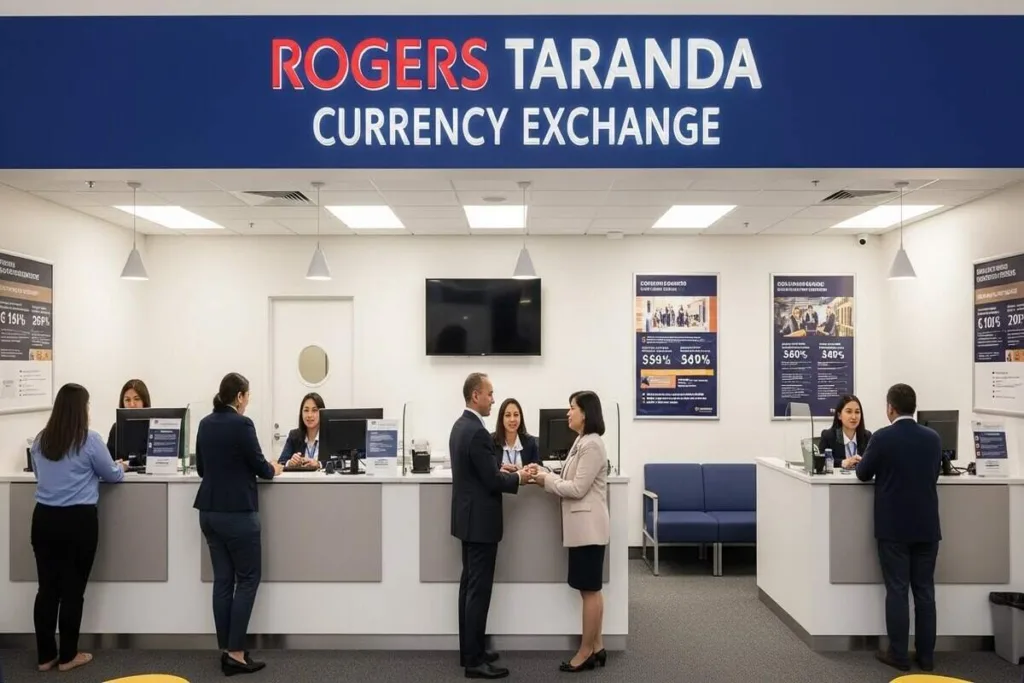
Currency exchange services provide a regulated way to convert one currency into another for international travel, overseas expenses, and other cross-border financial needs. Requirements and outcomes may vary depending on the provider, jurisdiction, transaction characteristics, and applicable legal or regulatory requirements. Clear information about exchange rates, fees, documentation, and transaction procedures can help customers understand how exchanges are handled and what factors may influence the final transaction. General retail currency exchange guidance provides additional context on how exchange services support practical money management.
Transparency supports informed decision-making by helping customers evaluate available options, compare exchange methods, and prepare for potential compliance-related requirements. This article outlines how clear communication, documentation, and regulated operational practices can contribute to greater confidence when exchanging foreign currency.

Why Transparency Matters In Currency Exchange Services
Transparency helps customers understand how currency exchange transactions are handled and what factors may influence the final outcome. When information is communicated clearly, customers can better evaluate available options and prepare for the exchange process. This is especially important when exchanging funds for international travel, overseas purchases, or foreign cash conversion.
Clear communication also supports realistic expectations. Exchange rates, service availability, and documentation requirements may vary based on provider policies and applicable regulations, making transparency an important part of the customer experience.
Clear Exchange Rate Information Supports Understanding
Transparent rate disclosures help customers understand how currency exchange values are determined at the time of a transaction. Exchange rates are not guaranteed and may vary until the transaction is completed due to changing market conditions and provider pricing practices.
For example, a traveler preparing to convert dollars to pesos for an upcoming trip may benefit from reviewing current rates before visiting a provider. Understanding how rates are presented can help customers compare available options and better prepare for international travel expenses. Publicly available Federal Reserve H.10 exchange rate data provides additional context regarding foreign exchange rate movements.
Visibility Into Fees And Transaction Costs Reduces Uncertainty
Knowing the full cost of a currency exchange transaction helps customers understand the amount of foreign currency they may receive. Transparent communication regarding fees, service charges, and exchange rate margins supports informed decision-making.
Customers may consider reviewing:
- Exchange rates displayed by the provider
- Any disclosed service fees or charges
- Currency availability and transaction conditions
- Documentation provided before completion
Reviewing these details can help customers avoid misunderstandings and better understand the total transaction value.
Clear Documentation Helps Confirm Transaction Details
Receipts and transaction records contribute to transparency by providing a record of completed exchanges. Documentation typically helps customers confirm the currencies involved, transaction amounts, and other relevant details provided by the exchange service.
Maintaining records may also support personal financial tracking after international travel or overseas spending. Customers are generally encouraged to review transaction information carefully before completing an exchange. Additional consumer financial education resources are available through the FDIC Money Smart program.
Transparent Communication Builds Realistic Expectations
Transparency is not limited to pricing. It also includes explaining transaction procedures, processing steps, and possible requirements that may apply during a currency exchange.
Customers may be asked to provide accurate and complete information when required for a transaction. Depending on the transaction type, amount, jurisdiction, or applicable legal and regulatory requirements, identification or additional information may be requested. Specific verification procedures may vary by provider and transaction circumstances.

How Transparency Supports Confidence Within Regulated Exchange Environments
Currency exchange services may operate within federal, state, or other regulatory frameworks depending on the provider, jurisdiction, and services offered. Understanding how these frameworks influence service delivery can help customers approach exchanges with greater confidence.
Some providers may operate as Money Services Businesses (MSBs) and may be subject to applicable federal and state requirements. These requirements relate to compliance obligations and operational processes and are generally separate from exchange rate movements and market conditions. General foreign currency exchange information may provide additional context regarding related exchange service concepts.
Compliance Frameworks Encourage Consistent Processes
Regulatory frameworks may establish requirements related to customer verification, recordkeeping, reporting, and other compliance processes. The specific procedures used may vary depending on the provider, transaction circumstances, and applicable legal requirements.
High-level compliance programs may involve:
- Customer Identification Program (CIP) procedures when applicable
- Anti-Money Laundering (AML) controls
- Recordkeeping obligations under applicable regulations
- Risk-based transaction monitoring practices
These processes are implemented by the provider and are not determined by customer preference. Background information regarding regulatory expectations for financial institutions is available through FinCEN guidance resources.
Transaction Reviews Promote Accuracy And Accountability
Transparency helps customers understand why certain review steps may occur during a currency exchange transaction. Providers conduct verification procedures and documentation reviews to support transaction accuracy and applicable compliance obligations.
Certain transactions may be subject to reporting, monitoring, or recordkeeping requirements under applicable regulations, including processes related to Currency Transaction Reports (CTR) or suspicious activity reporting. The application of these requirements depends on the transaction circumstances and applicable legal obligations.
Sanctions Screening And Regulatory Requirements May Apply
Providers may screen some transactions against applicable sanctions lists, including those maintained by OFAC. They apply these screening procedures to support compliance obligations in accordance with provider policies and applicable legal requirements.
Transaction processing may be subject to applicable legal, regulatory, and operational requirements. Submission of information does not by itself determine whether a transaction can be completed. Additional context regarding currency valuation and exchange market considerations is available through the U.S. Treasury exchange rate analysis program.
Informed Customers Can Better Evaluate Exchange Options
Transparency allows customers to compare available services and understand how different exchange methods may fit their needs. For individuals seeking additional background information, the pillar resource Currency Exchange Services Explained For Everyday Needs provides broader context on how currency exchange services support everyday financial activities.
Whether preparing for international travel, converting funds for overseas expenses, or exchanging leftover foreign cash after a trip, understanding exchange procedures can help customers approach transactions with greater confidence and awareness. General branch location information may provide operational context regarding service locations.
Conclusion
Transparency improves confidence in currency exchange by helping customers understand rates, fees, documentation, transaction procedures, and compliance-related requirements. Clear communication supports informed decision-making and reduces uncertainty when exchanging foreign currency for travel, international spending, or other legitimate financial needs.
Understanding how regulated providers communicate exchange information, apply verification procedures, and document transactions can help customers approach currency exchange services with realistic expectations and greater confidence.
Customers may wish to consider whether a provider clearly communicates transaction details, applicable requirements, fees, and service information before completing an exchange.
For additional information about Order Express compliance practices, visit our Compliance & Security resources.
Educational Disclaimer: This content is provided for general informational purposes only and does not constitute legal, financial, or regulatory advice.
Frequently Asked Questions
What does transparency mean in currency exchange?
Transparency refers to clearly communicating rates, fees, procedures, and applicable transaction requirements.
Why can exchange rates change before a transaction is completed?
Providers do not guarantee exchange rates, and rates may vary based on market conditions and provider pricing practices.
Will providers always require identification for currency exchange?
Providers may require identification depending on the transaction type, amount, provider policies, and applicable legal or regulatory requirements.
How do regulated providers support transparency?
Regulated providers generally use documented procedures, disclosures, receipts, and compliance controls to support transparent transactions.
Can customers compare currency exchange options before converting funds?
Yes, customers may review available rates, fees, service terms, and transaction information before completing an exchange.

Alvin is a Content and SEO Specialist who creates clear and helpful content about money transfers and payment systems. He focuses on making complex topics easy to understand so readers can learn how these services work in everyday situations.