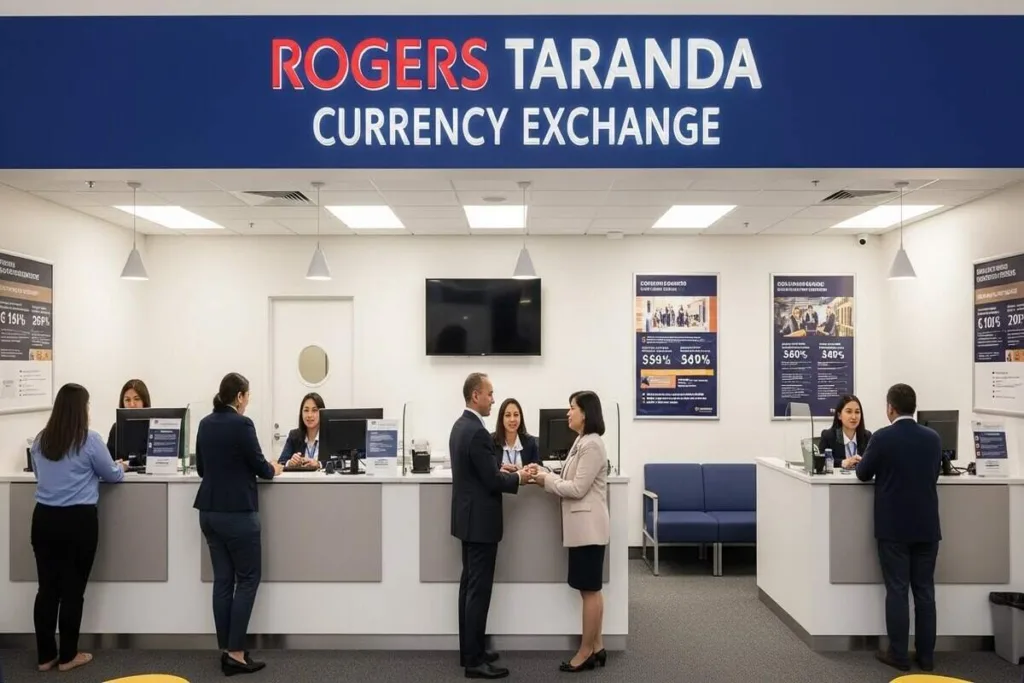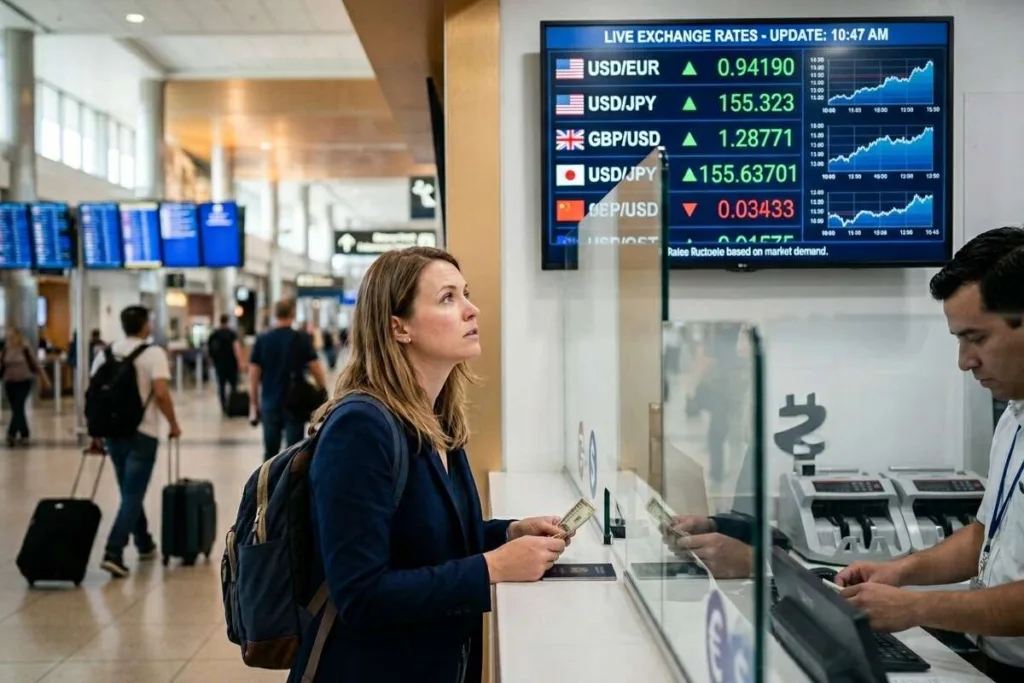
Currency exchange rates change throughout the day as global financial markets respond to economic events and trading activity. Consumers often notice these changes during international transfers, overseas purchases, and foreign currency transactions.
Consumers seeking reliable currency exchange guidance can review Understanding Currency Exchange Services for Consumers before completing an international payment.
How Currency Exchange Markets Move Throughout the Day
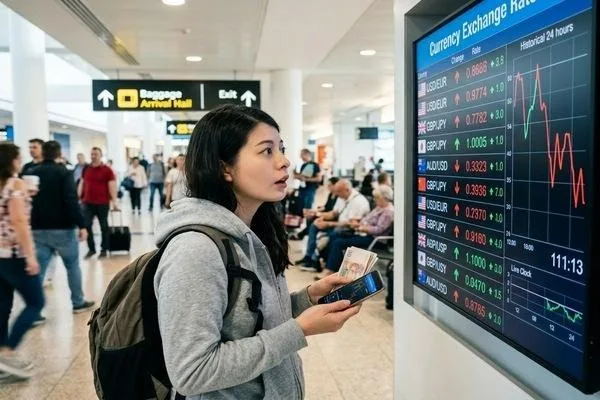
Currency exchange markets operate continuously across global trading sessions. Banks, businesses, and consumers buy and sell foreign currencies throughout the day.
Exchange rates change as market demand, transaction volume, and banking systems respond to trading activity. Understanding these movements helps explain why rates may differ between transactions completed on the same day.
International Trading Sessions Create Constant Currency Price Movement
International trading sessions keep the currency market active throughout the day because financial centers operate across multiple global time zones. Exchange rates often shift quickly whenever banks, businesses and payment providers process large international transactions simultaneously.
Several factors drive constant currency price movement:
- Overlapping trading sessions increase market activity and transaction volume.
- Financial institutions adjust exchange rates based on real-time market demand.
- Global payment transactions influence currency availability across international markets.
Consumers sending international payments should review exchange rates before completing a transaction. Small market changes may affect the final transfer amount during busy trading periods.
Comparing rates at different times may help consumers find a more favorable exchange value. The final exchange rate is shown before payment is completed. Consumers comparing currency exchange services should review available rates before confirming an international payment.
Consumer Demand Influences Short-Term Exchange Rate Adjustments
Consumer demand influences exchange rates whenever travelers, importers or international shoppers purchase foreign currencies for transactions. Higher demand for a specific currency can increase its value because financial institutions adjust pricing based on market activity. Seasonal travel periods and international shopping trends may also create temporary exchange rate fluctuations across global markets.
Consumers visiting nearby branch locations may notice exchange rates changing throughout active business hours because international market activity fluctuates continuously. The Federal Reserve H.10 exchange rate data also helps consumers understand how international currency values shift across financial markets daily.
Exchange rates shown during a quote may change before a transaction is confirmed. The applicable rate is displayed before payment is completed.
Financial Institutions Update Exchange Rates Using Automated Trading Systems
Financial institutions use automated systems to monitor international currency markets throughout the business day. These systems respond to changing market conditions and update exchange rates as pricing changes.
Automated technology helps financial institutions react quickly to supply and demand changes. Consumers receive the applicable exchange rate before completing their transaction.
The FDIC Money Smart program also provides educational resources helping consumers understand financial services and payment-related decisions.
Why Currency Exchange Markets React To Global Developments
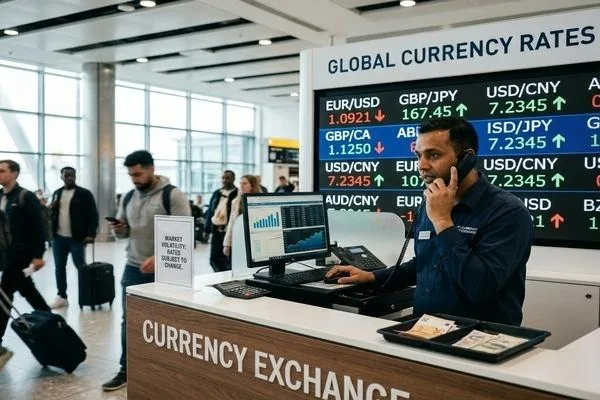
Currency exchange markets react quickly to economic and political developments worldwide. Investors often adjust their decisions after new financial information becomes available.
Economic reports, central bank policies, and political events can influence currency demand. These developments may affect exchange rates throughout global financial markets.
Although exchange rates respond to economic and political developments, the rate used for a transfer is confirmed at the time of transaction. The final exchange rate is presented before payment is finalized.
Economic Reports Affect Currency Confidence And International Demand
Strong economic performance often increases investor confidence. Stable financial conditions can strengthen demand for a country’s currency.
Weak economic reports may reduce confidence and influence investment decisions. Consumers planning international transfers should watch major economic announcements because exchange rates may change after official reports.
Consumers can review U.S. Treasury exchange rate analysis for additional information explaining how economic developments influence international currency values and market performance.
Political Developments Create Sudden Exchange Rate Volatility
Political developments can trigger sudden currency exchange fluctuations because financial markets respond quickly to uncertainty and policy changes. Investors usually prefer stable governments because predictable leadership often supports stronger economic confidence and long-term financial growth. When uncertainty increases, exchange rates can shift rapidly across international markets.
Several political events commonly influence exchange rate volatility. Key examples include:
- National elections that may introduce major economic policy changes
- International trade negotiations affecting global business activity
- Geopolitical conflicts disrupting investor confidence and market stability
- Government policy announcements influencing international financial markets
Consumers preparing international transfers should monitor political developments carefully because sudden announcements can impact exchange rates within hours. Businesses and travelers often review market conditions before completing transactions because volatility may affect overall transfer values significantly. Watching political updates regularly can help consumers identify better timing opportunities before exchange conditions shift unexpectedly.
Central Bank Decisions Influence Long-Term Exchange Rate Direction
Central bank decisions influence exchange rates because monetary policies affect borrowing costs, investment activity and market confidence. Interest rate changes often impact currency demand because investors usually prefer stable financial markets with stronger returns. Consumers monitoring exchange markets should pay attention to central bank announcements because policy decisions can quickly influence transfer values.
Financial institutions must also follow reporting and compliance obligations supporting secure international transactions under FinCEN guidance resources.
Key Takeaways
- Currency exchange rates fluctuate continuously because international financial markets process transactions throughout active trading sessions.
- Consumer demand influences short-term pricing because banks adjust exchange rates whenever transaction activity increases significantly.
- Economic reports affect currency values because investors evaluate financial stability before moving funds internationally.
- Political developments and central bank announcements create volatility because investors respond immediately toward changing market confidence.
Conclusion
Consumers preparing international transfers should compare exchange rates before completing a transaction. Market conditions may change throughout the day.
Before confirming your payment, you will see the final exchange rate, applicable fees, and the total amount to be received.
Visit your nearest Order Express location or explore our money transfer services to begin your transaction with confidence.
Exchange rates are determined by market conditions and the financial institution processing the transaction. Consumers always receive the applicable exchange rate before completing payment.
Disclaimer: Exchange rates and fees are determined at the time a transaction is confirmed. Final transaction details, including the exchange rate and total amount to be received, are provided before payment is completed, as required by applicable federal regulations.
FAQs
How frequently do currency exchange rates change daily?
Currency exchange rates change continuously during active trading sessions. International financial institutions process transactions throughout the day.
Why do exchange rates fluctuate during international transfers?
Exchange rates fluctuate during transfers because consumer demand and market activity influence currency pricing continuously.
Do banks update exchange rates automatically throughout business hours?
Banks update exchange rates automatically because digital trading systems monitor international financial markets continuously.
Can economic announcements change exchange rates immediately?
Economic announcements often change exchange rates immediately because investors quickly adjust international transactions afterward.
Should consumers monitor exchange rates before transferring international payments?
Consumers should monitor exchange rates carefully because pricing conditions fluctuate repeatedly throughout active trading sessions.

John is a Content & SEO Specialist who enjoys breaking down complex financial topics, like cross-border payments and money transfers, into content that’s easy to understand. He focuses on creating practical, search-driven content that helps people find answers and make informed decisions.