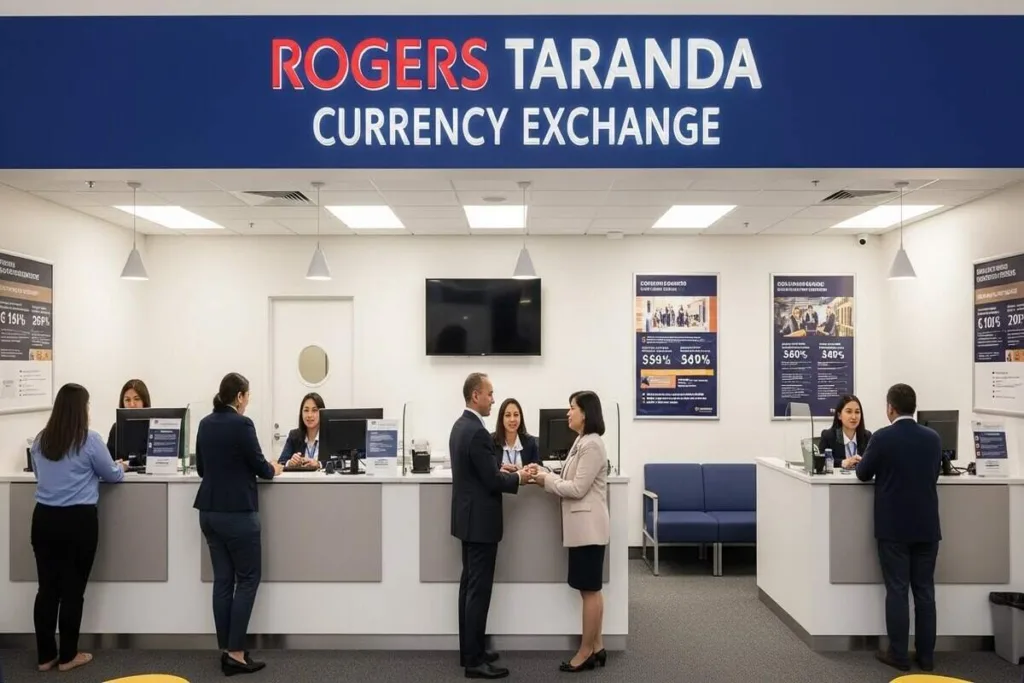
In the United States, currency exchange services allow customers to convert foreign cash into another currency through regulated financial providers that follow structured verification and transaction procedures. Currency exchange providers operate under federal and state regulations designed to support transparency, financial recordkeeping, and lawful transaction processing. These services matter when handling large amounts for international travel, relocation, or overseas expenses, where accuracy, timing, and documentation can affect the overall outcome. Requirements and processing steps may vary depending on the provider, jurisdiction, and transaction details.
To prepare for a large volume currency exchange, customers should organize their funds, review exchange rate conditions, confirm provider requirements, and prepare identification if required. Understanding how regulated currency exchange services operate can also help customers prepare for compliance-related procedures that may apply during larger transactions.
This article provides practical guidance on how to prepare for large volume exchanges, including organizing funds, understanding exchange rate variability, and recognizing compliance-related considerations that may apply during the transaction process, supported by general guidance on retail currency exchange processes.

Key Steps To Prepare For A Large Volume Currency Exchange
Preparing early helps customers approach a large volume currency exchange with clarity and realistic expectations. Licensed providers follow structured processes, and understanding these general steps may help reduce confusion during the transaction.
Customers preparing to exchange foreign currency should begin by organizing their funds clearly. Grouping banknotes by denomination and removing visibly damaged or altered bills can support a smoother review process at the counter. Providers typically assess whether currency is authentic, in circulation, and in acceptable condition before proceeding, based on operational and regulatory requirements.
This step is especially relevant when converting funds after international travel or preparing large amounts for overseas expenses. While preparation can improve efficiency, acceptance of currency is determined by the provider based on operational and regulatory considerations. General service availability may vary across different local service offices depending on operational capacity.
Reviewing Exchange Rate Conditions For High Amount Currency Exchange Transactions
Exchange rates play a central role in any currency exchange, particularly for large transactions. Customers may consider reviewing general rate trends in advance to understand how values fluctuate over time. However, exchange rates are not guaranteed and may vary until the transaction is completed.
For general reference on currency valuation trends, publicly available data such as the Federal Reserve foreign exchange data reports and the U.S. Treasury currency valuation analysis provide context on how exchange rates move over time.
For example, someone preparing to convert dollars to pesos for travel expenses may notice differences in rates depending on timing or provider conditions. Understanding that rates are determined at the point of service helps set realistic expectations and avoids assumptions about fixed outcomes.
Confirming Currency Exchange Provider Requirements And Availability
Before proceeding with a large volume currency exchange, customers may benefit from confirming whether the provider handles the specific currency and amount. Availability of certain denominations or less common currencies may vary depending on location and operational capacity.
Customers preparing for international travel or relocation may also consider checking service hours, expected processing time, and any documentation that may be requested. These steps can help reduce uncertainty and support a more efficient transaction experience. Additional financial education resources, such as the FDIC consumer financial education resources, provide general context on using financial services responsibly.
Preparing Documentation When Applicable
Documentation requirements may apply depending on the transaction type, amount, and applicable legal or regulatory requirements. Customers preparing a high amount currency exchange or foreign currency exchange involving larger amounts may benefit from confirming documentation requirements before visiting a provider. Customers may be expected to provide accurate and complete information when requested to support compliance with applicable regulations.
Identification requirements vary depending on the transaction type, amount, and applicable regulatory thresholds. Providers apply verification procedures in line with legal requirements and risk-based compliance programs. Preparing valid identification in advance, when applicable, can help avoid delays during the exchange process.

Understanding Compliance And Transaction Handling For Large Exchanges
Large volume currency exchange transactions are handled within regulated financial frameworks that emphasize transparency, consistency, and lawful processing. Understanding these principles helps customers approach the process with informed awareness.
How Regulated Currency Exchange Services Operate
Currency exchange services are typically offered by licensed providers operating as Money Services Businesses (MSBs) registered with FinCEN and subject to applicable federal and state requirements. These providers operate within compliance frameworks that include Anti-Money Laundering (AML) and Bank Secrecy Act (BSA) obligations designed to support financial transparency and regulatory compliance. These providers follow structured procedures to verify currency, confirm transaction details, and complete exchanges accurately.
Customers preparing large exchanges may benefit from understanding that transactions generally follow standardized procedures defined by regulatory requirements and internal compliance frameworks. These steps are designed to support accuracy and lawful processing. General information about foreign currency exchange service options reflects how these processes are structured within retail financial environments.
High-level regulatory oversight of financial institutions is outlined by agencies such as FinCEN regulatory information and frameworks like the Anti-Money Laundering Act overview, which apply to providers rather than individual customers.
Identification And Verification Considerations
Identification and verification are standard components of regulated currency exchange services when applicable. Requirements may vary depending on the provider, jurisdiction, transaction characteristics, and risk-based compliance procedures.
Customers should understand that:
- Identification requirements are applied based on transaction type, amount, and applicable regulatory thresholds
- Verification decisions are determined by the provider based on internal compliance programs and applicable law
- Not all transactions require identification, but preparation can support smoother processing when it applies
These measures help ensure transactions are handled consistently and within regulatory expectations.
Recordkeeping, Monitoring, And Reporting Awareness
Currency exchange providers operate under frameworks that include recordkeeping, monitoring, and reporting obligations when applicable. Certain transactions may be subject to reporting, monitoring, or recordkeeping requirements under applicable regulations. For example, transactions that exceed certain federal reporting thresholds, including those associated with Currency Transaction Reports (CTR), may trigger reporting obligations. Additional monitoring or review procedures may also apply when required by law or compliance programs.
Transactions should always be conducted transparently and should not be structured or divided into smaller amounts to avoid regulatory reporting or compliance requirements. Providers evaluate transactions according to applicable laws and internal compliance procedures regardless of how a transaction is presented.
Customers are not involved in determining when these requirements apply. These responsibilities are managed entirely by the provider and form part of standard financial system safeguards.
Understanding this structure helps customers approach large volume exchanges with realistic expectations and reduces confusion if additional review steps occur.
Practical Tips For Managing Large Currency Exchange Transactions
When preparing for a large volume currency exchange, high amount currency exchange, or foreign currency exchange involving larger amounts, a few practical considerations can support a smoother experience:
- Ensure all currency is organized and accessible for review
- Confirm recipient needs if funds will be used for international travel or expenses
- Allow sufficient time for processing, as larger transactions may require additional review
- Retain receipts and documentation for personal recordkeeping
These steps do not influence compliance outcomes but can help improve clarity and reduce delays during the transaction process.
Conclusion
Preparing for a large volume currency exchange involves organization, awareness of exchange rate variability, and understanding how regulated providers operate. Customers who prepare currency, review general conditions, and confirm provider requirements may experience a more predictable transaction process. Compliance considerations, including identification and recordkeeping, are applied consistently based on applicable regulations and provider policies. Recognizing that currency exchange is a structured financial service helps set clear expectations and supports accurate, transparent outcomes.
Customers may choose to use a licensed or registered currency exchange provider to complete large transactions within established regulatory frameworks. Customers considering a large currency exchange may also benefit from contacting a licensed provider such as Order Express in advance to confirm currency availability, service capabilities, and general transaction requirements before visiting a location.
Educational Disclaimer: This content is provided for general informational purposes only and does not constitute legal, financial, or regulatory advice.
Frequently Asked Questions
What should I do before a large volume currency exchange?
Customers may prepare by organizing currency, reviewing general exchange conditions, and confirming provider requirements in advance.
Do all large currency exchanges require identification?
Identification may be required depending on the transaction type, amount, and applicable legal or regulatory requirements.
Can exchange rates change during the process?
Yes, exchange rates are not guaranteed and may vary until the transaction is completed.
How long does a large currency exchange take?
Processing time may vary depending on the currency type, transaction size, and any required verification steps.
Are large currency exchanges monitored or recorded?
Certain transactions may be subject to monitoring, recordkeeping, or reporting requirements under applicable regulations.
Can a large currency exchange trigger reporting requirements?
Certain large currency exchange transactions may be subject to reporting, monitoring, or recordkeeping requirements under applicable federal regulations. These determinations are handled by the provider based on legal obligations and compliance procedures.

Alvin is a Content and SEO Specialist who creates clear and helpful content about money transfers and payment systems. He focuses on making complex topics easy to understand so readers can learn how these services work in everyday situations.