Skip to content



If you’re exchanging currency for the first time, you may be wondering what happens at checkout, whether identification is required, and how exchange rates are calculated. Understanding the process before you visit a currency exchange location can help you avoid confusion and feel more prepared.
Currency exchange services allow individuals to convert foreign cash into another currency through regulated financial providers that follow structured verification and transaction procedures.
These services matter for practical needs such as preparing for international travel, managing overseas expenses, or converting unused foreign funds after a trip. For broader context on how these services are structured, this overview of retail foreign currency processes provides additional clarity.
Requirements and outcomes may vary depending on the provider, jurisdiction, and transaction details. This content outlines what first-time customers can expect at checkout, including how transactions are reviewed, how exchange amounts are confirmed, and how compliance procedures shape the overall experience.
This content is provided for general educational purposes only and should not be interpreted as legal, financial, tax, or regulatory advice.

Understanding The Currency Exchange Checkout Process
A currency exchange checkout process follows a defined sequence intended to support accuracy, transparency, and compliance. While the steps may feel straightforward, each part of the process serves a specific purpose tied to verification, documentation, and lawful handling of funds.
Customers approaching the counter for their first currency exchange transaction often benefit from understanding how the currency exchange process works and why certain verification steps are necessary. Knowing what to expect can make a first time currency exchange experience smoother and more predictable. This helps reduce uncertainty and supports a smoother overall experience when they exchange foreign currency.
Presenting Foreign Currency For Review
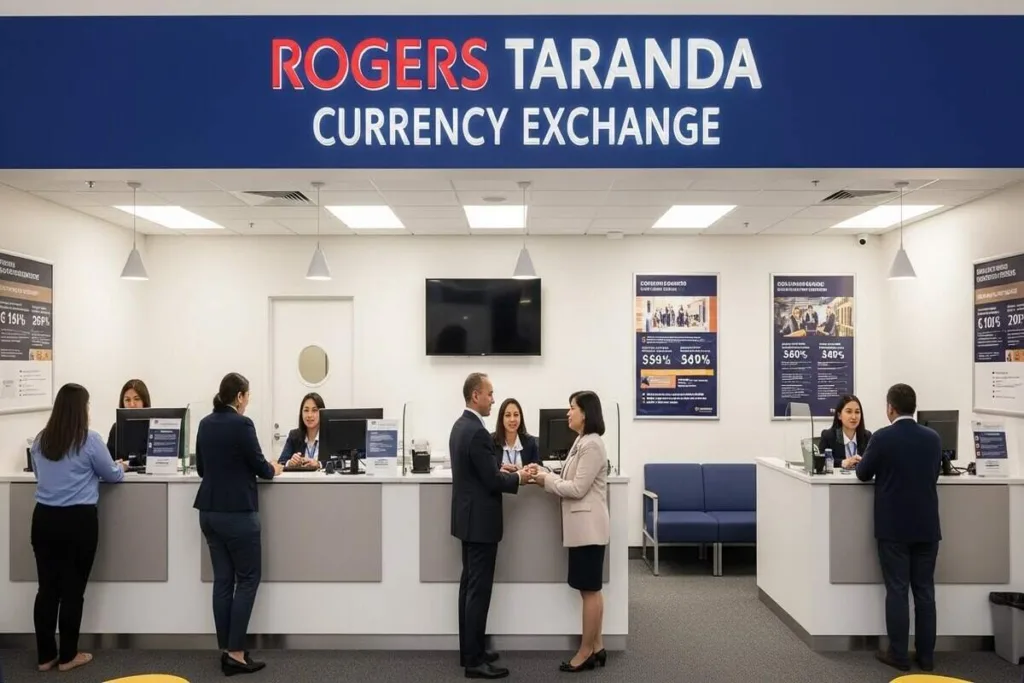
At checkout, customers begin by presenting the foreign currency they want to exchange. The provider typically reviews the banknotes to confirm authenticity, denomination, and physical condition before proceeding.
Currency acceptance is not guaranteed and is determined by the provider based on operational standards and applicable requirements. Notes that are heavily damaged, altered, or no longer in circulation may not be accepted. Preparing bills in advance, such as organizing denominations or removing damaged notes, can help the process move more efficiently.
This step is especially relevant for travelers returning with leftover cash or individuals converting funds for local use after international activity.
Verification And Identification Considerations
During checkout, identification may be required depending on the transaction type, amount, and applicable legal or regulatory requirements. These requirements are determined by the provider based on internal compliance programs and applicable law.
Customers may be expected to provide accurate and complete information when requested to support compliance with applicable regulations. Identification may be required under applicable federal regulations, provider compliance programs, or transaction-specific review procedures. Not all transactions require identification, but when it applies, it supports proper recordkeeping and verification processes.
In the United States, some currency exchange providers operate as Money Services Businesses (MSBs) and may be subject to federal requirements such as Customer Identification Program (CIP) and Anti-Money Laundering (AML) obligations. These procedures help providers verify customer information, maintain appropriate records, and support compliance with applicable federal regulations. These requirements are established by regulators such as the Financial Crimes Enforcement Network (FinCEN). How these requirements are applied can vary by provider and jurisdiction.
Reviewing Exchange Rates And Transaction Details
Before completing the transaction, the provider typically presents the exchange rate and calculated amount. Customers are given the opportunity to review these details and confirm the transaction before proceeding.
Exchange rates are not guaranteed and may vary until the transaction is completed. Small fluctuations can affect the final amount received. General reference data on rate movements is available through sources such as the Federal Reserve H.10 exchange rate data.
Reviewing the transaction carefully helps ensure that the exchange aligns with the customer’s expectations, particularly when preparing funds for overseas expenses or travel.
First-time customers often find it helpful to ask questions about the displayed exchange rate, transaction amount, or applicable service terms before confirming the exchange. Taking a few moments to review the details can help avoid misunderstandings later.
Completing The Transaction And Receiving Funds
Once the details are confirmed, the transaction is completed and the customer receives the exchanged currency along with a receipt or documentation.
Customers may consider counting the funds at the counter to confirm accuracy before leaving. Receipts provide a record of the transaction and can support personal tracking or future reference if questions arise.
Under applicable regulations, certain transactions may trigger reporting or recordkeeping requirements, such as Currency Transaction Reports (CTR) or Suspicious Activity Reports (SAR). These requirements are defined by law, while the way they are implemented and managed depends on the individual provider’s compliance program.

Key Compliance And Practical Factors To Expect
Currency exchange services operate within regulated financial frameworks, which influence how transactions are processed and what customers may experience at checkout. Understanding these factors helps set realistic expectations and supports informed decision-making.
First-time customers often benefit from recognizing that the process follows defined procedures based on operational practices and regulatory requirements.
Why Compliance Procedures Are Part Of The Process
Compliance procedures are a standard part of currency exchange and reflect obligations under frameworks such as the Bank Secrecy Act (BSA) and AML regulations. These requirements help monitor financial activity and reduce the risk of misuse.
Providers apply these procedures based on their internal compliance programs and applicable legal requirements. This includes verification steps, documentation, and transaction review processes. The exact application may vary depending on the provider and the nature of the transaction. Additional consumer-facing financial education materials are available through the FDIC Consumer Resource Center.
Understanding this helps customers approach the checkout process with clarity and avoid assumptions about flexibility in how transactions are handled.
How Processing Time May Vary
Processing time at checkout may vary depending on several factors, including the type of currency, transaction volume, and any required verification steps.
For example, exchanging commonly used currencies for travel may take less time than processing less common denominations or larger volumes that require additional review. These variations reflect provider obligations rather than customer actions.
Customers preparing for international travel may consider allowing extra time for the transaction, especially during busy periods.
What Affects Currency Availability And Acceptance
Currency availability and acceptance can differ between providers. Not all currencies, denominations, or services are available at all locations. Availability may vary based on operational capabilities, inventory levels, and local service offerings. Not all foreign cash may be accepted for exchange.
Not all currencies, denominations, or services are available at all locations. Availability may vary based on operational capabilities, inventory levels, and local service offerings.
Factors that may affect availability or acceptance include:
- Whether the currency is actively in circulation
- The condition of the banknotes
- Provider-specific operational capabilities
- Demand for certain currencies tied to travel patterns
Understanding these variables can help customers plan ahead when they exchange foreign currency for upcoming travel or financial needs. General information about available options can be found within foreign currency service offerings.
How Currency Exchange Differs From Other Services
Currency exchange is distinct from services such as money transfers or digital payments. While exchange focuses on converting physical cash, other services involve moving funds between individuals or accounts.
Customers looking to understand broader financial service options may refer to this overview of currency exchange and related financial services for additional context. Service availability may differ across physical service locations depending on operational coverage.
Recognizing this distinction helps customers choose the correct service for their needs, whether they are preparing for travel or managing cross-border financial activity.
Common Mistakes First-Time Currency Exchange Customers Can Avoid
First-time customers can improve their experience by reviewing transaction details carefully before completing the exchange. Common mistakes include assuming all currencies are accepted at every location, overlooking possible identification requirements, or waiting until the last minute before international travel.
Customers may also assume that exchange rates remain fixed throughout the day. Because rates can change, reviewing the transaction details before confirming the exchange can help avoid surprises. Checking currency availability in advance and allowing extra time for the transaction may help create a smoother checkout experience.
Conclusion
For many travelers and individuals handling foreign cash for the first time, understanding the currency exchange process before arriving at checkout can make the experience more straightforward. From currency review and possible identification requirements to exchange rate confirmation and receipt documentation, each step supports transparency and compliance. Knowing what to expect helps customers prepare in advance and complete transactions with greater confidence that includes currency review, possible verification, transaction confirmation, and receipt documentation. Each step is designed to support accuracy, transparency, and compliance within a regulated financial environment.
Understanding how exchange rates are presented, why identification may apply, and how providers follow standardized procedures helps reduce confusion and improve the overall experience. Preparation, such as organizing currency and reviewing transaction details carefully, can support smoother interactions. Currency exchange operates within defined regulatory frameworks, and approaching the process with clear expectations can help customers better understand how transactions are handled.
Customers may consider using licensed or registered currency exchange providers to better understand service processes and applicable requirements.
Educational Disclaimer: This content is provided for general informational purposes only and does not constitute legal, financial, or regulatory advice.
Frequently Asked Questions
Do first-time customers need identification for currency exchange?
Identification may be required depending on the transaction type, amount, and applicable legal or regulatory requirements.
How are exchange rates determined at checkout?
Exchange rates are set by the provider and may vary until the transaction is completed.
Can all foreign currencies be exchanged at any location?
Not all currencies or denominations may be accepted, as availability and acceptance depend on provider standards.
How long does a currency exchange transaction usually take?
Processing time may vary based on currency type, transaction characteristics, and any required verification steps.
What should customers check before completing a transaction?
Customers should review the exchange rate, calculated amount, and transaction details before confirming the exchange.
Why might a currency exchange provider ask for identification?
Identification may be requested to comply with applicable federal regulations, internal compliance programs, and transaction review procedures.
What should first-time customers bring to a currency exchange location?
Customers should bring the foreign currency they wish to exchange and be prepared to provide identification if required by the provider or applicable regulations.

Alvin is a Content and SEO Specialist who creates clear and helpful content about money transfers and payment systems. He focuses on making complex topics easy to understand so readers can learn how these services work in everyday situations.