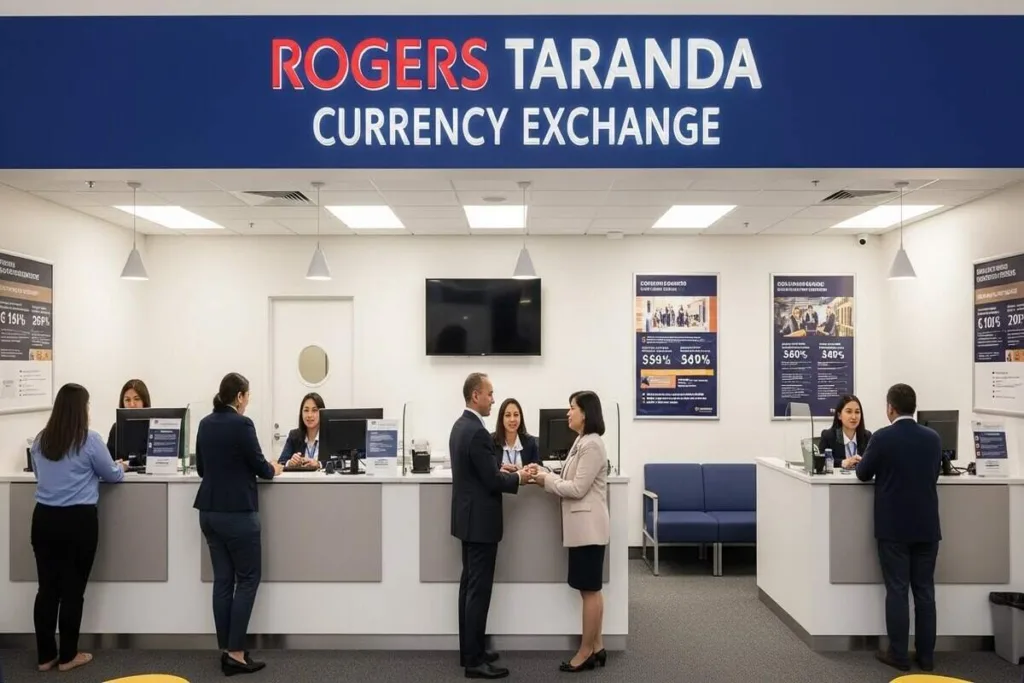
Before a currency exchange transaction, customers may want to verify the condition of their foreign currency bills to better understand whether the notes may meet general acceptance standards. Currency exchange providers typically review bill condition, authenticity, and circulation status before proceeding with an exchange. These services matter because providers must verify authenticity, condition, and circulation status before accepting any bills, which can affect whether a transaction proceeds.
Requirements and outcomes may vary depending on provider policies, jurisdiction, and transaction details, so preparation plays an important role in reducing uncertainty. This content aligns with general guidance on retail currency exchange processes and outlines how customers can review their currency in advance and what to expect during the in-person evaluation process, helping them approach exchanges with clearer expectations and an understanding of the process.

How To Verify Currency Bill Condition Before Currency Exchange
Understanding how currency exchange providers evaluate foreign bills helps customers prepare appropriately before arriving at a service location. While final acceptance decisions are always determined by the provider, customers can take practical steps to review their currency in advance and reduce the likelihood of delays.
Preparation does not guarantee acceptance, but it helps align expectations with how regulated exchange services typically operate. These services typically follow structured procedures designed to support accurate handling of foreign cash and compliance with applicable requirements. General financial education resources, such as the FDIC Money Smart program, provide additional background on how financial services operate.
Check For Physical Damage Or Alteration
Currency exchange providers generally assess whether banknotes are intact and clearly identifiable. Bills that are torn, heavily worn, defaced, or altered may not be accepted. Currency exchange providers may also evaluate foreign banknote condition based on general bill acceptance standards and operational requirements. Currency exchange providers may also evaluate foreign banknote condition based on general bill acceptance standards and operational requirements, depending on provider standards.
Customers preparing for international travel or converting leftover funds may consider reviewing their cash for visible issues such as missing corners, excessive markings, or tape repairs. These conditions can affect whether a bill is considered usable for exchange.
Even if a bill appears acceptable, final determination is made by the provider based on internal procedures and applicable requirements.
Confirm The Currency Is Still In Circulation
Foreign currency must typically be actively issued and recognized by the originating country’s central authority. Customers exchanging foreign banknotes should verify whether the currency remains in circulation before visiting a currency exchange provider. Notes that are no longer in circulation may not be accepted during a currency exchange.
Individuals holding foreign currency can check whether their bills remain current by reviewing official sources or confirming with a provider in advance. This is especially relevant for travelers returning with older notes or holding foreign cash for extended periods.
Understanding circulation status helps avoid unnecessary visits and supports better preparation when planning to convert cash securely, with reference to publicly available data such as the Federal Reserve foreign exchange rate reports.
Organize Bills By Denomination And Type
Organizing foreign currency before visiting a provider can support a more efficient review process. Separating bills by denomination and currency type allows staff to assess them more quickly during the transaction.
Customers converting funds for overseas expenses or preparing for travel may find that organized currency helps reduce processing time and improves clarity during the exchange.
Simple preparation steps may include:
- Grouping bills by denomination
- Separating different currencies
- Removing visibly damaged notes when possible
- Keeping bills flat and accessible for inspection
These actions do not influence acceptance decisions but can help the process move more smoothly.
Contact The Provider For General Guidance
Some customers may choose to contact a currency exchange provider in advance to ask general questions about accepted currencies or condition standards. While providers may not confirm acceptance without seeing the bills, they can often explain general requirements.
This approach may help travelers or individuals converting larger amounts understand what to expect. For broader context on how these services operate, general information about foreign currency exchange services may be referenced through service descriptions.
Any guidance provided in advance remains informational, and final acceptance is determined at the time of the transaction.

What Happens After You Verify Currency Bill Condition Before Currency Exchange
Even with preparation, currency exchange providers perform an in-person review before completing any transaction. This step allows the provider to assess whether bills meet authenticity and condition standards and to proceed according to their internal procedures.
In the United States, many currency exchange providers operate as Money Services Businesses (MSBs) and may be registered with the Financial Crimes Enforcement Network (FinCEN). These businesses are generally subject to Bank Secrecy Act (BSA) and Anti-Money Laundering (AML) requirements, which establish standards for how certain transactions are monitored, documented, and reported..
How Providers Evaluate Bill Authenticity And Condition
During the transaction, staff examine each bill to confirm that it is genuine and in acceptable condition. This review may include visual inspection and the use of verification tools.
Customers exchanging foreign currency for travel or converting funds back to local currency should expect this step as part of standard processing. This step is part of standard processing to address counterfeit or unusable notes.
The evaluation process may vary depending on the currency type, volume, and provider procedures.
Why Acceptance Decisions Are Provider-Controlled
Acceptance decisions are determined solely by the provider based on internal policies, operational standards, and applicable regulations. Each provider, including Order Express, applies its own internal compliance procedures consistent with applicable laws and regulatory requirements. Policies and acceptance standards may vary by institution. Customers do not determine whether a bill is accepted.
This structure ensures that all transactions follow consistent rules and compliance requirements. It also helps maintain fairness and transparency across all currency exchange services.
Accurate and complete information may be required to support compliance reviews when applicable when requested to support compliance with applicable regulations.
How Compliance Requirements Affect The Process
Currency exchange transactions take place within regulated financial frameworks that include customer identification, monitoring, and recordkeeping obligations. Identification may be required depending on the transaction type, amount, and applicable legal or regulatory requirements. Customer Identification Program (CIP) procedures may apply where required by law, and providers may verify customer identity before completing certain transactions.
Depending on the transaction type, amount, and jurisdiction, certain transactions may be subject to reporting, monitoring, or recordkeeping requirements under applicable regulations. This can include processes such as Currency Transaction Reports (CTR) or Suspicious Activity monitoring. Certain transaction thresholds or circumstances may trigger additional reporting, monitoring, or recordkeeping requirements under applicable regulations, as outlined by FinCEN guidance.
Additionally, transactions may be screened against applicable sanctions lists, including those maintained by OFAC. These steps are handled entirely by the provider and are not optional.
What Customers Can Review Before Completing The Exchange
Before finalizing a currency exchange, customers are typically given the opportunity to review transaction details. This may include the amount being exchanged and the applicable rate at that time.
Exchange rates are not guaranteed and may vary until the transaction is completed. Reviewing details carefully allows customers to confirm the terms of the transaction before proceeding.
Customers converting funds for international travel or managing exchange rate differences may benefit from taking a moment to confirm all information before proceeding, including general service availability through currency exchange branch locations.
Conclusion
Confirming currency bill condition in advance involves reviewing physical condition, verifying circulation status, organizing notes, and seeking general provider guidance when needed. These steps provide general preparation guidance, while final acceptance depends on provider evaluation at the time of the transaction. Currency exchange operates within regulated frameworks that prioritize accuracy, compliance, and transparency. Understanding these processes helps customers prepare effectively when exchanging foreign currency for travel, returning funds, or managing international expenses..
Customers may choose to use licensed or registered currency exchange providers, depending on their needs and preferences. Those seeking current information about accepted currencies, exchange services, or branch availability may review provider resources or contact a nearby location for general guidance.
Educational Disclaimer: This content is provided for general informational purposes only and does not constitute legal, financial, or regulatory advice.
Frequently Asked Questions
How can I verify currency bill condition before currency exchange?
Providers may offer general guidance, but final acceptance is determined only after in-person review.
Can damaged foreign currency bills be accepted for currency exchange?
Damaged bills may not be accepted, depending on provider standards and condition assessment.
Is identification required when exchanging currency?
Identification may be required depending on the transaction type, amount, and applicable legal or regulatory requirements.
Do exchange rates stay the same before and during the transaction?
Exchange rates are not guaranteed and may change until the transaction is completed.
Can discontinued foreign currency still be accepted for currency exchange?
Some outdated currencies may not be accepted, depending on whether they are still in circulation and provider policies.

Alvin is a Content and SEO Specialist who creates clear and helpful content about money transfers and payment systems. He focuses on making complex topics easy to understand so readers can learn how these services work in everyday situations.