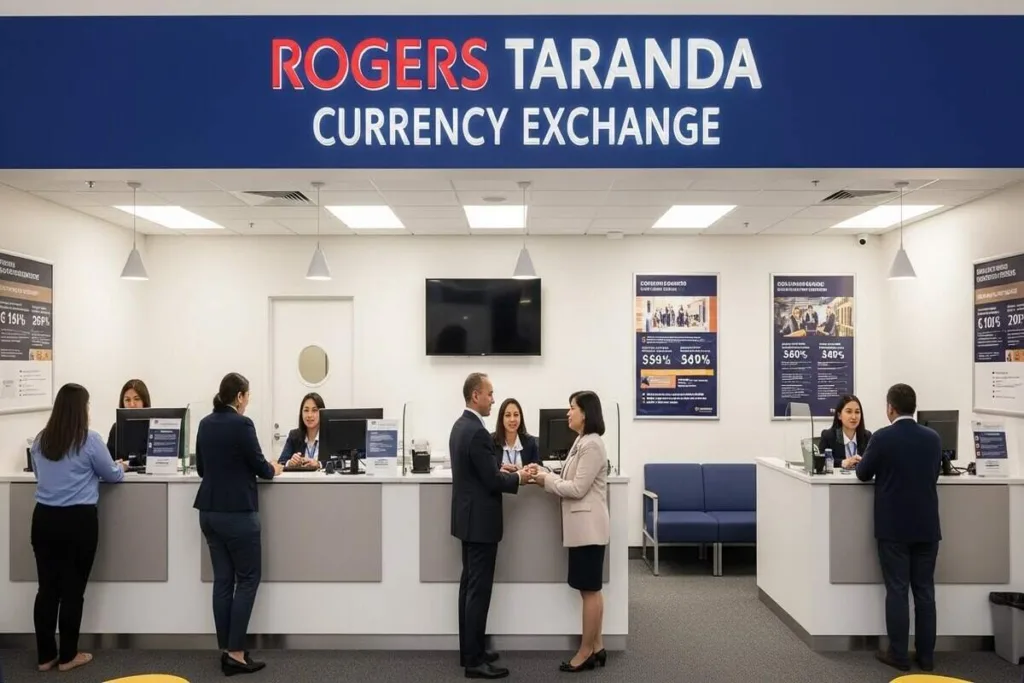
Currency exchange services enable individuals and businesses to convert one country’s currency into another through regulated financial providers that follow standardized procedures. These services play a critical role in international travel, cross-border payments, and global financial planning by determining how much usable value customers receive when converting funds. For additional context, reviewing retail currency exchange guidance can help frame how these services function in everyday financial decisions.
The impact of exchange rates, foreign exchange fees, currency conversion costs, and provider differences can directly affect currency exchange spending power when preparing for international travel, remittances, or overseas transactions, especially when managing overseas expenses or preparing for international transactions. This article provides practical guidance on how exchange decisions influence value, helping readers compare options and plan effectively when approaching transactions.
What Does Currency Exchange Spending Power Mean?
Currency exchange spending power refers to how much value your money retains after converting it into another currency. Exchange rates, provider fees, timing, and conversion costs all influence how far your money can go during international travel, remittances, or overseas purchases.

How Exchange Rates And Timing Affect Currency Exchange Spending Power
Exchange rates shift regularly based on global market conditions, which means timing plays a direct role in how much foreign currency you receive. When you exchange foreign currency at a favorable rate, your spending power increases, allowing you to cover more expenses abroad. Conversely, unfavorable timing can reduce your available funds without changing your original budget.
Customers preparing for international travel benefit from monitoring trends and comparing provider rates before completing a transaction. Public data sources such as the Federal Reserve foreign exchange reports help illustrate how exchange rate movements change over time. This approach supports informed decisions and aligns with how regulated services present transparent pricing and conversion details to customers.
How Exchange Rate Fluctuations Change Spending Outcomes
Exchange rate fluctuations directly determine how much foreign cash you receive, making currency exchange a key factor in budgeting for travel or overseas payments. Even small changes in rates can affect daily expenses such as meals, transportation, or accommodation costs abroad.
For example, if a customer exchanges USD to Mexican Peso when the rate improves from 16.5 to 17.2, a $1,000 exchange may provide significantly more local spending value for transportation, food, or lodging expenses. Reviewing exchange rate insights from sources like the U.S. Treasury exchange rate analysis helps provide additional context. Customers should also understand that rates may vary between providers, and comparing options supports better financial outcomes when planning international spending.
Why Timing Your Exchange Matters For Travel Preparation
Timing your transaction can improve how much value you receive, especially when currency exchange rates shift during travel planning. Completing exchanges too early or too late may result in less favorable outcomes depending on market conditions.
Many travelers choose to convert a portion of funds in advance and monitor rates for the remainder. This balanced approach helps manage uncertainty while maintaining flexibility. Planning ahead also reduces reliance on last-minute exchanges, which may limit options and reduce available time to review rates carefully.
Comparing Provider Rates And Fees Before You Convert
Comparing providers helps ensure you understand the full cost of currency exchange before completing a transaction. Rates alone do not determine value, as exchange rate margins, foreign exchange fees, and currency conversion costs also affect the final amount received.
Customers benefit from reviewing FX rates comparison details such as:
- Posted exchange rates versus market reference rates
- Service fees or included margins
- Availability of specific foreign currencies
Taking time to compare these elements helps you convert cash securely while maintaining better control over total costs and expected spending power.
Understanding How Retail Exchange Services Present Rates
Retail providers present rates based on operational costs, currency availability, and market conditions. Exchange rates are subject to change and may vary at the time of transaction, which means currency exchange values may differ between locations. Understanding how rates are displayed helps customers interpret what they will receive before agreeing to a transaction.
For additional practical guidance, reviewing general retail currency exchange practices can help you prepare more effectively for international transactions. Clear communication and careful review of details support informed decisions and help reduce confusion during the exchange process.

Choosing The Right Exchange Method For Everyday Needs
Different exchange methods affect both convenience and value, depending on how and where you convert funds. Whether you exchange at a retail location, bank, or digital platform, each option carries trade-offs that influence your final spending power. Selecting the right method helps align your exchange strategy with your travel timeline and financial priorities.
Currency exchange services operate within regulated frameworks. Financial institutions that provide these services are subject to oversight from agencies such as the Financial Crimes Enforcement Network. As part of these requirements, providers follow verification, documentation, and transparency standards when processing transactions.
How Currency Exchange Affects Remittances And Family Support Abroad
Currency exchange rates also affect remittances sent to family members in other countries. When exchange rates fluctuate, the amount received after conversion may increase or decrease even if the sender transfers the same amount of money.
For example, a stronger exchange rate may allow recipients to cover additional household expenses such as groceries, transportation, utilities, or school-related costs. Comparing provider rates, fees, and transfer methods helps customers better understand how much value will ultimately reach recipients abroad.
Customers should review transaction details carefully because exchange rates, processing fees, and delivery timelines may vary between providers and transaction methods.
In Person Versus Digital Exchange Options Explained
In-person services provide direct assistance and allow customers to complete currency exchange with immediate confirmation and the opportunity to review transaction details. These options work well for individuals who prefer guidance and physical cash handling during the process.
Digital tools offer convenience and remote access, allowing users to compare rates and initiate exchanges without visiting a location. However, availability and delivery methods may vary. Choosing between these options depends on your comfort level, urgency, and need for physical currency before travel. Customers may explore available currency exchange options when deciding which method aligns with their needs.
When To Exchange Currency Before Or After Travel
Deciding when to exchange funds depends on destination needs and how currency exchange availability may vary abroad. Exchanging before departure ensures you have usable cash immediately upon arrival, which supports transportation and small purchases.
Some travelers choose to exchange additional funds after arrival if local options are accessible and transparent. This decision requires awareness of local service availability and rate differences. Planning ahead reduces uncertainty and supports smoother financial transitions during travel.
Using Licensed Providers For Reliable Transactions
Licensed currency exchange providers operate as money services businesses and are required to follow established regulatory standards. These requirements include verification, documentation, and transaction recordkeeping procedures.
Customers can expect structured processes such as rate confirmation, transaction review, and receipt issuance. These practices provide documentation that can be used for personal recordkeeping. Using regulated providers means transactions are handled in accordance with applicable regulatory requirements. Educational resources such as the FDIC Consumer Resource Center offer additional general financial guidance.
Money services businesses operate under federal and state regulatory requirements designed to promote transparency and consumer protection
Practical Steps To Maximize Your Spending Power
Customers can take steps to better understand currency exchange costs and outcomes through preparation and careful transaction review. Simple steps can help you better understand costs and manage how much value you receive when converting funds.
Consider the following:
- Monitor exchange rate trends before converting funds
- Compare multiple providers for rates and fees
- Exchange only what you need initially to stay flexible
- Keep receipts and review transaction details carefully
These actions support better planning and help you manage international spending with greater confidence and control. Customers comparing exchange services near them can also review nearby branch locations before completing transactions.
Conclusion
Currency exchange decisions directly affect how far your money goes when traveling or managing overseas expenses. Exchange rates, exchange rate margins, foreign exchange fees, provider selection, and timing all influence the final value customers receive during currency conversion transactions. By comparing options, reviewing rates carefully, and preparing in advance, you can reduce unnecessary costs and improve overall spending power.
Currency exchange services operate within regulated financial frameworks. Licensed providers are required to follow verification, documentation, and transparency standards when processing transactions. With the right approach, customers can make informed, practical decisions that align with everyday financial needs.
Consider using a licensed currency exchange provider, as these services operate within established regulatory requirements.
Educational Disclaimer: This content is provided for informational purposes only and does not constitute financial, legal, or tax advice. Customers should consult appropriate professionals when necessary.
Frequently Asked Questions
How does currency exchange impact my travel budget?
Currency exchange rates determine how much foreign money you receive, directly affecting your available spending during travel.
When is the best time to exchange foreign currency?
The best time depends on rate trends, so monitoring fluctuations helps you exchange funds at more favorable values.
Do all providers offer the same exchange rates?
No, exchange rates vary between providers based on costs, availability, and pricing structures used during transactions.
Should I exchange all my money before traveling abroad?
Many travelers exchange a portion first, then monitor rates and availability before converting additional funds later.
Why should I use a licensed currency exchange provider?
Licensed providers follow regulatory standards that support accurate processing, transparency, and consistent handling of exchange transactions.

Alvin is a Content and SEO Specialist who creates clear and helpful content about money transfers and payment systems. He focuses on making complex topics easy to understand so readers can learn how these services work in everyday situations.