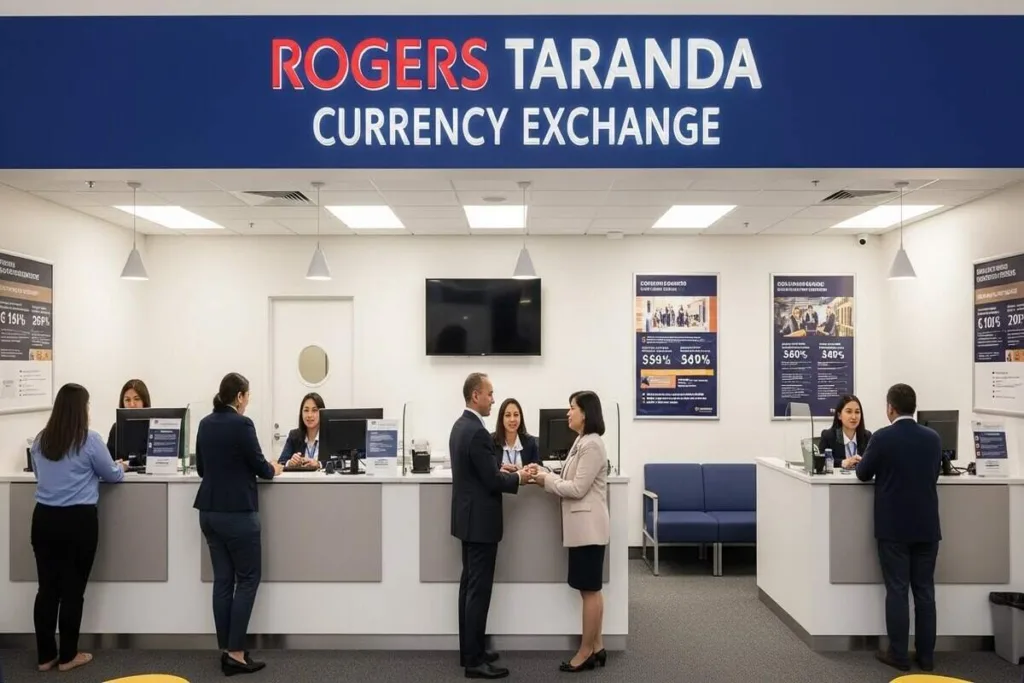
U.S. currency exchange is regulated by federal anti-money-laundering (AML) laws, principally the Bank Secrecy Act (BSA), its implementing regulations in 31 CFR Chapter X issued by FinCEN, and Title III of the USA PATRIOT Act. Together with state-level licensing through systems such as the Nationwide Multistate Licensing System (NMLS). These frameworks set MSB compliance requirements, reporting duties, and consumer safeguards for all providers operating in regulated financial markets.
Regulatory details can vary by state, and additional local obligations may apply. Always verify specific requirements for the jurisdiction where you plan to operate or transact.
Currency exchange in the United States is regulated by federal anti-money laundering laws and state licensing requirements. These frameworks promote transparency, protect consumers and support secure financial transactions conducted through licensed providers, building on broader currency exchange fundamentals for everyday transactions.

Federal Laws Govern Currency Exchange Compliance And Financial Transparency
Federal regulations establish nationwide standards for currency exchange providers, ensuring compliance, transparency and accountability across the financial services industry. These laws apply to money services businesses offering currency exchange, money transfers, money orders and other retail financial services.
The Bank Secrecy Act Establishes Anti-Money Laundering Requirements
The Bank Secrecy Act (BSA) together with its implementing FinCEN regulations (31 CFR Chapter X) and complementary provisions in the USA PATRIOT Act forms the cornerstone of federal regulation governing currency exchange and related MSB services. It requires financial institutions to maintain records, monitor transactions and report suspicious activity to federal authorities, as administered by the Financial Crimes Enforcement Network (FinCEN).
Key compliance requirements under the Bank Secrecy Act include:
- Maintaining transaction records to support regulatory oversight and financial transparency.
- Reporting large cash transactions via Currency Transaction Reports (CTRs) and filing Suspicious Activity Reports (SARs) when potential money-laundering or fraud indicators arise.
- Implementing internal controls designed to deter money laundering and terrorist financing risks.
- Supporting government agencies in detecting and preventing illicit financial activities.
MSBs must also maintain a written AML program built on four pillars: (1) internal controls and written policies, (2) designation of a qualified compliance officer, (3) ongoing training for employees and agents, and (4) independent testing of the program.
The law also requires financial institutions to report cash transactions exceeding 10,000 dollars within a single business day. These safeguards help protect consumers and reinforce confidence in regulated currency exchange providers within the U.S. financial system, supported by exchange rate policy guidance published by the U.S. Department of the Treasury.
Fincen Oversees Money Services Businesses And Regulatory Enforcement
The Financial Crimes Enforcement Network, known as FinCEN, administers federal compliance requirements for money services businesses operating in the United States. As a bureau of the U.S. Department of the Treasury, FinCEN issues regulations and enforces reporting obligations under the Bank Secrecy Act.
A business qualifies as a money services business when it offers services such as currency exchange, money transmission or money orders. These entities must register with FinCEN and comply with anti-money laundering and recordkeeping requirements.
For customers preparing transactions, certain regulatory requirements may involve:
- Providing valid identification during certain transactions requiring compliance verification and documentation.
- Participating in identity verification procedures designed to support lawful and secure financial activity.
- Understanding that transactions may be monitored to prevent fraud and financial crime.
Choosing a licensed provider can help ensure your transaction follows federal AML rules and state licensing standards. Order Express, for example, is a licensed MSB that complies with FinCEN registration, state permits, and independent AML testing. Customers who plan to send funds domestically or internationally can review Order Express money transfer services to understand how regulated providers structure compliant remittance transactions.
The Usa Patriot Act Strengthens Customer Identification And Monitoring Standards
The USA PATRIOT Act enhances federal oversight by strengthening anti-money laundering measures and customer identification obligations for financial institutions. It requires money services businesses to implement written compliance programs, verify customer identities and maintain accurate records.
These requirements support:
- Customer identification and verification procedures aligned with federal compliance standards.
- Enhanced monitoring systems designed to detect suspicious or unusual financial activity.
- Ongoing employee training and independent program reviews to maintain regulatory readiness.
Example: If a customer exchanges more than $10,000 in cash in a single business day, the provider must file a CTR with FinCEN. Transactions structured to evade this limit can trigger SAR obligations.”
Together, these federal laws create a comprehensive compliance framework that governs currency exchange providers nationwide, reinforcing consumer awareness promoted through programs such as the FDIC Money Smart financial education initiative.

State Regulations And Consumer Protection Laws Shape Operational Compliance
In addition to federal oversight, state laws regulate currency exchange through licensing requirements and consumer protection standards. These regulations ensure providers operate responsibly while safeguarding customers who rely on everyday financial services.
State Licensing Requirements Govern Currency Exchange Providers
Each U.S. state establishes licensing requirements often administered through the Nationwide Multistate Licensing System (NMLS) or dedicated regulators such as the New York Department of Financial Services (NYDFS) or California DFPI for companies offering currency exchange and other MSB activities. Providers must comply with state-specific regulations governing financial operations, reporting standards and permissible services.
These requirements typically include:
- Obtaining and maintaining appropriate state licenses to operate legally within specific jurisdictions.
- Meeting financial responsibility standards, including bonding or capitalization requirements where applicable.
- Undergoing routine examinations conducted by state regulatory agencies.
State oversight complements federal regulation by ensuring consistent consumer protection across local markets where customers conduct transactions, including in-person financial services such as check cashing offered by licensed providers.
Consumer Protection Laws Promote Transparency And Fair Financial Practices
Consumer protection regulations support transparency in currency exchange by requiring clear disclosures regarding pricing, fees and transaction details. These safeguards help customers understand exchange rate variability, spreads and markups before completing financial transactions, referencing publicly available benchmarks such as Federal Reserve H.10 exchange rate data.
Regulatory frameworks often emphasize:
- Clear disclosure of exchange rates and applicable service fees.
- Accurate transaction documentation and receipt requirements.
- Protections against deceptive or unfair financial practices.
Such measures align with broader consumer protection objectives outlined by the Consumer Financial Protection Bureau, supporting informed decision-making and responsible financial service usage.
Federal And State Regulations Define Money Services Business Obligations
Federal and state regulations collectively define the responsibilities of money services businesses providing currency exchange and related services. Under federal law, a money services business includes entities offering currency exchange, money orders and money transmission.
Compliance obligations typically include:
- Registering with FinCEN and maintaining regulatory records as required by law.
- Implementing anti-money laundering controls and reporting procedures.
- Adhering to both federal and state licensing standards applicable to operational jurisdictions.
These overlapping regulatory frameworks help ensure currency exchange services remain secure, transparent and accessible for everyday financial transactions. For questions about regulated services or documentation expectations, customers may use the official Order Express contact page to request assistance directly from a licensed provider.
Key Takeaways
- Currency exchange in the United States is regulated by federal anti-money laundering laws and state licensing requirements.
- The Bank Secrecy Act and FinCEN establish reporting, recordkeeping and compliance obligations for money services businesses nationwide.
- The USA PATRIOT Act strengthens customer identification standards and monitoring practices designed to prevent financial crime and fraud.
- State regulations complement federal oversight by enforcing licensing standards and consumer protections for currency exchange providers.
- Licensed providers like Order Express follow regulatory requirements to support secure, transparent and compliant everyday financial transactions.
Frequently Asked Questions
Q: What Federal Law Primarily Regulates Currency Exchange In The United States?
A: The Bank Secrecy Act serves as the primary federal law regulating currency exchange and anti-money laundering compliance in the United States.
Q: Which Government Agency Oversees Currency Exchange Providers?
A: The Financial Crimes Enforcement Network, or FinCEN, oversees and enforces compliance requirements for money services businesses offering currency exchange services.
Q: Do Currency Exchange Businesses Need To Register With Fincen?
A: Yes. Money services businesses providing currency exchange must register with FinCEN and comply with federal reporting and recordkeeping requirements.
Q: Are Currency Exchange Providers Regulated At The State Level?
A: Yes. States impose licensing and compliance requirements that complement federal regulations governing money services businesses and currency exchange providers.
Q: Why Do Customers Need To Provide Identification During Currency Exchange Transactions?
A: Identification may be required to comply with federal anti-money laundering laws and support secure, transparent and lawful financial transactions.
Conclusion
Currency exchange in the United States is regulated through a structured framework of federal laws and state licensing requirements. The Bank Secrecy Act, FinCEN oversight and the USA PATRIOT Act establish national compliance standards for money services businesses. State regulations complement these federal laws by enforcing licensing requirements and consumer protection measures. Together, these regulatory pillars promote transparency, accountability and security within the financial services industry. For customers preparing everyday transactions, understanding these laws helps clarify identity verification requirements, transaction monitoring and documentation expectations. Choosing a licensed provider such as Order Express can support informed decision-making and encourage confident participation in regulated currency exchange, money transfers, money orders and other essential retail financial services.
Review current rates or visit a nearby Order Express location to prepare your transaction with greater clarity and confidence.
Disclaimer: This content is for general information only and does not constitute legal, regulatory, or compliance advice. Seek qualified counsel regarding your specific obligations.

John is a Content & SEO Specialist who enjoys breaking down complex financial topics, like cross-border payments and money transfers, into content that’s easy to understand. He focuses on creating practical, search-driven content that helps people find answers and make informed decisions.