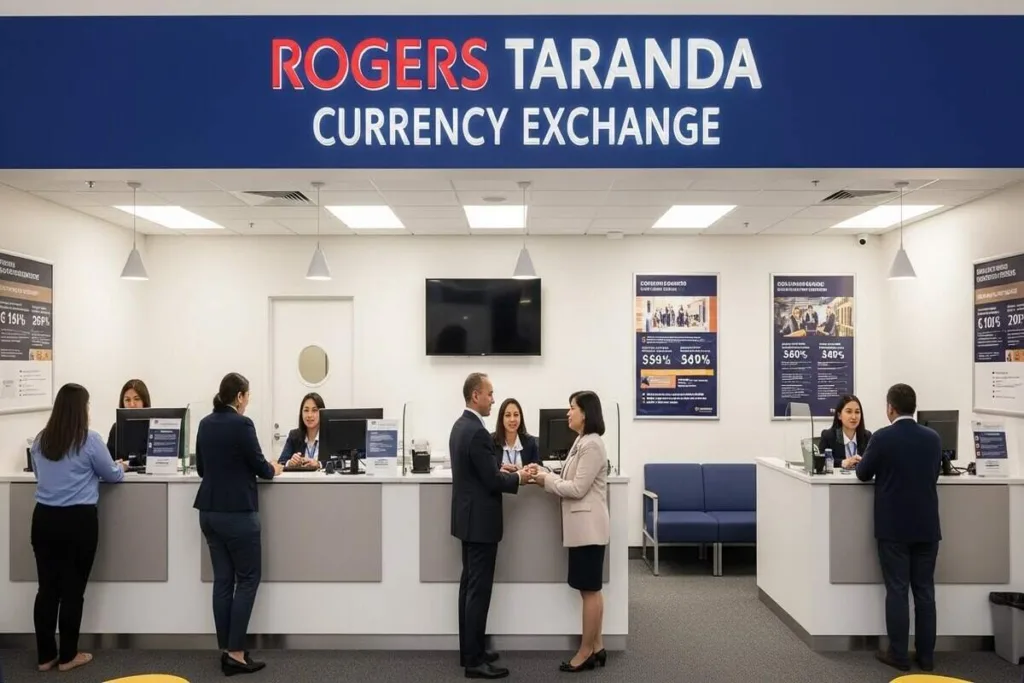
Currency exchange services allow individuals and businesses to convert one country’s currency into another through licensed or registered money services businesses (MSBs) operating under applicable financial regulations and standardized transaction procedures. These services play a practical role in international travel, cross-border payments, and managing foreign cash, where exchange rates directly affect how much value is received. Depending on the transaction, identity verification and compliance procedures may apply under anti-money laundering (AML) regulations. For practical retail currency exchange guidance, customers can review structured information through currency exchange services for individuals.
Global economic and political developments influence how currencies are priced, which can impact timing and outcomes when completing a currency exchange transaction. This content provides practical guidance on how these external factors affect exchange rates and how to plan transactions with greater clarity and awareness.
Global events influence currency exchange rates by affecting supply, demand, inflation trends, investor confidence, and foreign exchange market activity. Economic conditions, political developments, and international trade disruptions can all contribute to short-term and long-term FX fluctuations that impact currency conversion outcomes.

Economic And Political Events That Affect Exchange Rates
Global currency movements often reflect broader economic and political conditions that shape how currencies are valued across markets. These factors influence how much foreign cash a customer receives during an exchange and can shift quickly depending on international developments. Understanding these drivers helps individuals prepare for international travel, compare currency exchange rates and foreign exchange market conditions, and avoid last-minute surprises when converting funds.
Because exchange rates respond to external conditions rather than individual transactions, customers benefit from reviewing trends before visiting a provider. Currency exchange services operate within established financial frameworks, but the rate itself reflects market conditions outside provider control. This awareness supports more informed financial planning and helps customers make better-timed currency exchange decisions during changing market conditions, supported by publicly available financial data, including Federal Reserve exchange rate reports, Treasury market analysis, and central bank economic updates.
Interest Rate Changes And Inflation Trends
Interest rate decisions and inflation levels directly affect currency values, which impacts currency exchange outcomes for everyday transactions. When a country raises interest rates, its currency may strengthen because it attracts foreign investment. This can change how much foreign cash you receive when converting funds.
For example, if inflation rises in one country, its currency may weaken compared to others. Travelers preparing for international travel should review exchange rate fluctuations before converting funds. Monitoring general economic updates, including U.S. Treasury exchange rate analysis, helps individuals decide whether to exchange earlier or wait, depending on stability and personal timing needs.
For example, during periods of elevated inflation in Mexico, the USD to MXN exchange rate experienced noticeable movement as investors reacted to changing economic conditions. Similar patterns can occur globally when inflation rises quickly or central banks adjust interest rates unexpectedly.
Political Stability And Government Policy
Political events influence how stable a currency appears, which directly affects currency exchange values in real-world situations. Elections, policy changes, or geopolitical tensions can shift confidence in a country’s economy and impact currency exchange rates and foreign exchange market conditions.
For instance, uncertainty around trade agreements may cause sudden FX fluctuations and currency market volatility. Customers planning to exchange foreign currency should avoid relying on outdated rates and instead confirm current values at the time of transaction. Licensed or registered money services businesses (MSBs) apply structured and regulated transaction processes designed to support transparency and compliance. However, exchange rate movement remains tied to broader political and market conditions outside provider control.
In some situations, elections or trade policy negotiations have caused short-term volatility in major currencies such as the U.S. dollar, euro, or British pound. These fluctuations may affect how much foreign currency travelers or businesses receive during conversion.
Global Trade And Supply Chain Disruptions
Global trade activity plays a key role in determining how currencies perform, which affects currency currency exchange rates and foreign exchange market conditions across markets. When exports increase, demand for that country’s currency may rise, strengthening its value.
Disruptions such as shipping delays or supply shortages can weaken currencies by reducing economic output. Individuals sending money abroad or preparing for overseas expenses should consider how these shifts affect conversion timing. Reviewing rate trends over several days can provide a more realistic picture than relying on a single point in time.
Market Volatility And Investor Behavior
Investor activity influences short-term fluctuations that customers notice during currency exchange transactions, especially in volatile markets. Sudden changes in global markets can cause currencies to strengthen or weaken within hours.
Key factors that often drive short-term volatility include:
- Rapid shifts in global stock markets
- Changes in commodity prices such as oil or gold
- Central bank announcements or unexpected policy decisions
Customers preparing to complete structured currency exchange transactions should avoid making decisions based solely on single-day market movements. Instead, reviewing patterns over time helps support more stable and informed exchange decisions, supported by general consumer financial education resources such as the FDIC Money Smart program.
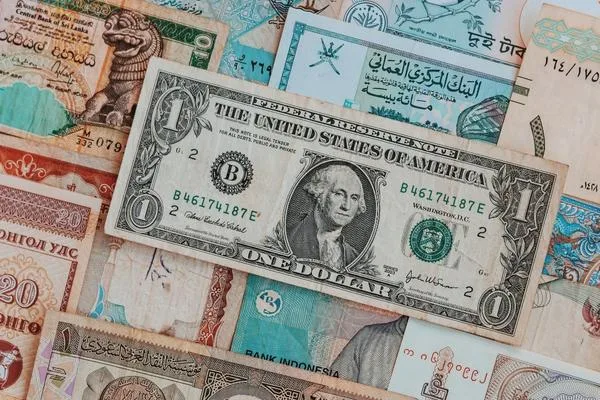
How To Plan Currency Exchange Around Global Events
Planning ahead allows individuals to manage currency exchange more effectively, even when global conditions shift unexpectedly. While customers cannot control exchange rate movements, they can adjust timing, compare options, and prepare documentation to support smoother transactions. This approach reflects common practices within regulated financial services that emphasize accuracy, transparency, and customer awareness.
Understanding when and how to exchange currency helps reduce the impact of sudden rate changes. Customers benefit from reviewing general financial guidance, such as consumer financial tools from the CFPB, which explain how structured financial services support everyday decisions. Applying these principles to currency exchange helps individuals approach transactions with clarity and realistic expectations.
Timing Your Exchange Before Travel
Timing plays a critical role in achieving practical outcomes during currency exchange for travel-related needs. Exchanging too early or too late may result in less favorable rates depending on market conditions.
Travelers often benefit from monitoring rates a few weeks before departure rather than waiting until the last day. This allows flexibility if rates shift unexpectedly. Planning ahead also reduces reliance on limited options at airports or unfamiliar locations, supporting a more controlled and informed exchange experience.
Comparing Rates Across Providers
Comparing available rates helps customers understand how currency exchange values may differ between providers at a given time. While rates follow global markets, small variations can still occur based on service structure and timing.
Customers should review:
- The current exchange rate offered
- Any visible fees or service charges
- Availability of the desired foreign currency
This comparison supports informed decisions without assuming uniform pricing. Customers exploring where to exchange foreign currency should review transaction details, exchange rates, and service policies carefully before proceeding.
Managing Risk During Volatile Periods
Managing risk means approaching currency exchange cautiously when global markets show increased volatility or uncertainty. During these periods, rates may change quickly and affect the final amount received.
Customers can reduce uncertainty by splitting exchanges into smaller transactions or converting funds gradually. This approach avoids relying entirely on a single rate at one moment. It also supports better planning when handling international travel spending or ongoing overseas expenses.
Using Licensed Services For Secure Transactions
Using licensed providers means currency exchange transactions follow structured and regulated processes designed to support accuracy, transparency, documentation, and compliance monitoring. These services operate within regulatory frameworks applicable to money services businesses, including requirements related to recordkeeping and transaction monitoring, as outlined by FinCEN guidance and regulatory resources.
Customers who exchange foreign currency through regulated providers receive clear documentation and consistent procedures. While regulations do not guarantee outcomes, they support responsible handling of funds and standardized service delivery. Customers may choose to use licensed providers with physical locations if in-person support is needed.
Conclusion
Global events such as economic shifts, political developments, and market activity directly influence currency currency exchange rates and foreign exchange market conditions. These factors affect how much value customers receive when converting funds for travel or international expenses. Understanding these influences allows individuals to plan timing, compare options, and avoid unexpected outcomes.
By monitoring trends, preparing in advance, and using licensed providers, customers can approach currency exchange with greater clarity and confidence. While exchange rates remain outside individual control, informed decisions help reduce uncertainty and support smoother transactions.
Customers planning international travel, overseas purchases, or foreign cash transactions may benefit from reviewing current currency exchange rates through licensed providers that offer structured transaction processes, transparent documentation, and regulated service procedures.
Educational Disclaimer:
This content is provided for general informational purposes only and does not constitute legal, financial, or regulatory advice.
Frequently Asked Questions
How do global economic and political events affect currency exchange rates?
Global events influence supply and demand for currencies, causing exchange rates to rise or fall based on economic conditions.
When is the best time to exchange foreign currency?
The best time depends on rate trends, so monitoring fluctuations over several days helps support more informed timing decisions.
Do political events impact currency values significantly?
Yes, political uncertainty or policy changes can affect investor confidence, which may cause noticeable shifts in exchange rates.
Should I exchange foreign currency all at once during volatile market conditions?
Some customers choose gradual exchanges to reduce risk during volatile periods and avoid relying on a single rate.
Why should I use a licensed currency exchange provider?
Licensed providers follow regulated processes that support transparency, documentation, and consistent handling of currency exchange transactions.
What causes sudden FX fluctuations in the foreign exchange market?
Sudden FX fluctuations may result from economic reports, inflation updates, geopolitical tensions, central bank announcements, or unexpected global market events that affect investor confidence and currency demand.

Alvin is a Content and SEO Specialist who creates clear and helpful content about money transfers and payment systems. He focuses on making complex topics easy to understand so readers can learn how these services work in everyday situations.