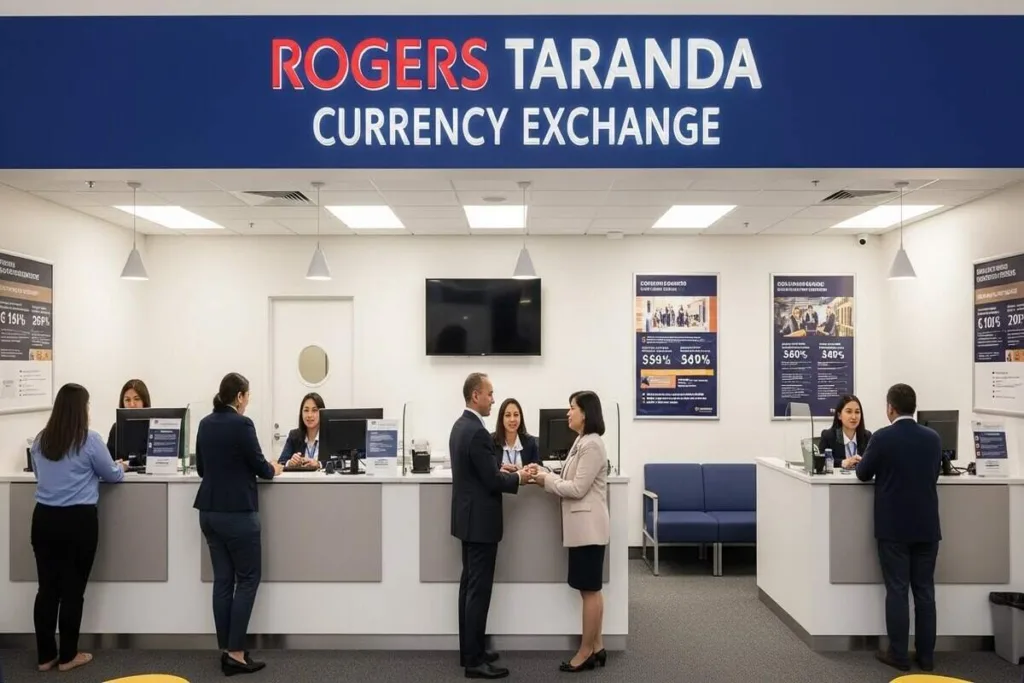
Understanding how currency exchange differs from foreign banking helps customers choose the right service for transactions. This guide explains practical differences so you can complete transfers, conversions, or payments with greater clarity and confidence. Order Express supports customers by simplifying currency exchange decisions with transparent information and efficient service options.
Currency exchange focuses on converting money quickly, while foreign banking manages accounts, compliance, and ongoing international financial activities. Knowing these differences helps you avoid delays, reduce unnecessary costs, and select the most suitable option for your transaction needs.
Review your priorities carefully before choosing between speed, cost, and service requirements for international transactions. For a deeper understanding, review the pillar article about Currency Exchange Process And Practical Use For Customers.

How Do Currency Exchange Services Operate Differently From Foreign Banks?
Currency exchange services focus specifically on converting one currency into another for immediate or near-term use. Foreign banking involves broader financial relationships including accounts, lending, compliance, and ongoing cross-border financial management activities.
Note: Order Express monitors transactions for unusual activity and files Suspicious Activity Reports based on FinCEN regulatory guidance for financial institutions, designed to support compliance in currency exchange services. You can find a nearby location using the Order Express branch locator for in-person currency exchange services.
What Is The Primary Function Of Currency Exchange?
Currency exchange providers convert money between currencies based on real-time market rates and service fees applied. They support travelers, businesses, and individuals who need quick access to different currencies for specific payments.
These services typically include straightforward processes designed for speed, clarity, and minimal administrative requirements for customers.
- You present funds in one currency for conversion
- The provider applies an exchange rate and service margin
- You receive the converted amount immediately or shortly afterward
What Role Do Foreign Banks Play In International Transactions?
Foreign Banks Manage Accounts Across Borders, Enabling Deposits, Withdrawals, Financing, and compliance with international banking regulations. They support long-term financial relationships rather than single transactions, requiring identity verification and account maintenance obligations.
Customers interact with foreign banks when managing assets abroad, receiving salaries internationally, or conducting structured business operations.
If you want to understand who operates these services, review the Order Express company background and financial service approach.
How Speed And Accessibility Differ Between Both Services
Currency exchange transactions usually complete quickly, often within minutes, depending on payment method and provider policies. Foreign banking processes can take longer due to verification, transfer routing, and regulatory checks across jurisdictions.
For immediate needs, exchange services provide faster access, while banks prioritize security, documentation, and structured financial oversight processes.
What Cost And Pricing Differences Should Customers Expect?
Currency exchange and foreign banking differ significantly in how they structure fees, rates, and overall transaction costs. Understanding these differences helps customers avoid unexpected charges and select the most efficient option for their needs.
Note: Services vary depending on transaction type, location, and regulatory requirements. Customers should review final transaction details before completing any exchange, as explained in Federal Reserve foreign exchange rate data and reporting standards.
How Exchange Rates And Margins Are Applied
Currency exchange providers earn revenue through spreads between buying and selling rates applied during conversion transactions. These margins vary depending on provider, currency pair, and market volatility at the time of exchange execution.
Banks also apply exchange rates but often include additional fees layered into broader transaction or account service structures.
Note: Customers should review all associated costs before initiating transfers to avoid surprises during or after transaction completion, as explained by the Consumer Financial Protection Bureau guidance on sending money internationally.
What Additional Banking Fees May Apply
Foreign banks may charge transfer fees, intermediary fees, account maintenance costs, and compliance-related processing charges for transactions. These fees can accumulate, especially when funds move through multiple banking institutions across different regulatory environments globally.
Customers should review all associated costs before initiating transfers to avoid surprises during or after transaction completion.
When One Option Is More Cost-Effective Than The Other
Currency exchange services are often more cost-effective for one-time conversions or immediate payment needs involving different currencies. Foreign banking becomes more efficient when managing ongoing financial activity, recurring transfers, or maintaining balances in multiple currencies.
- Choose exchange services for quick conversions or travel-related needs
- Choose foreign banking for ongoing international financial management
- Compare total costs, not just visible fees or rates

When Should You Use Currency Exchange Instead Of Foreign Banking?
Choosing between currency exchange and foreign banking depends on your transaction purpose, frequency, and required financial services. Understanding your specific use case ensures you select the most practical and cost-efficient solution available today.
What Scenarios Favor Currency Exchange Services
Currency exchange works best when you need immediate conversion without opening accounts or establishing long-term banking relationships abroad. It suits travel, online purchases in foreign currencies, and one-time international payments requiring quick settlement timelines.
These services reduce complexity and allow customers to focus on completing transactions without extended administrative procedures involved.
What Scenarios Require Foreign Banking Solutions
Foreign banking is necessary when managing income, assets, or operations across countries requiring structured financial systems and compliance. It supports businesses operating internationally and individuals living abroad who need stable, ongoing access to banking services.
These scenarios involve more documentation but provide broader financial capabilities beyond simple currency conversion transactions alone, aligned with U.S. Treasury exchange rate policy and international financial oversight guidance.
How To Decide Based On Your Transaction Needs
Use this simple framework to determine which option aligns best with your financial goals and transaction requirements today.
- Identify whether your need is one-time or ongoing
- Determine if you require account services or only currency conversion
- Compare timing, cost, and documentation requirements before proceeding
For additional support with transfers, you can explore Order Express money transfer services for international transactions.
Key Takeaways
- Currency exchange focuses on fast, single-purpose conversions, while foreign banking supports long-term financial relationships and services.
- Exchange services prioritize speed and simplicity, while banks emphasize compliance, structure, and ongoing financial management capabilities.
- Costs differ significantly, with exchange margins versus layered banking fees impacting total transaction expenses for customers differently.
Conclusion
Choosing between currency exchange and foreign banking depends on how quickly you need funds and transaction complexity. Currency exchange offers fast, simple conversions, while foreign banking supports structured, long-term financial activities across borders.
Understanding these differences helps you avoid delays, reduce unnecessary fees, and complete transactions with greater confidence. If your priority is speed and clarity, currency exchange services provide a practical solution for immediate financial needs.
For ongoing international operations, foreign banking ensures stability, compliance, and broader financial capabilities over time. Order Express helps streamline your currency exchange process with transparent rates and efficient service tailored to your needs.
If you plan a transaction soon, compare your options and choose the service that matches your exact needs. You can also reach out through the Order Express contact page for customer support assistance.
Disclaimer: This content is for educational purposes only and does not constitute financial, legal, or professional advisory guidance.
Order Express is registered with the Financial Crimes Enforcement Network (FinCEN) as a Money Services Business (MSB) under the Bank Secrecy Act (BSA). We strictly follow Know Your Customer (KYC), Anti-Money Laundering (AML), and record retention requirements, as outlined in the FDIC Money Smart financial education program for consumers. These practices ensure that all financial transactions are secure, transparent, and compliant with federal and state regulations.
FAQs
What is the main difference between currency exchange and foreign banking?
Currency exchange focuses on quick conversions, while foreign banking manages ongoing financial activities and international account services.
When should I use currency exchange instead of a bank?
Use currency exchange for immediate conversions, travel needs, or one-time international payments requiring fast processing.
Are currency exchange rates better than bank rates?
Currency exchange providers often offer competitive rates, but comparing providers ensures you receive the best available value.
Do foreign banks charge more fees than exchange services?
Foreign banks may include additional fees like transfer, intermediary, and maintenance charges depending on transaction complexity.
How can I reduce costs when converting currencies?
Compare exchange rates, check total fees, and choose providers offering transparent pricing before confirming your transaction.

Alvin is a Content and SEO Specialist who creates clear and helpful content about money transfers and payment systems. He focuses on making complex topics easy to understand so readers can learn how these services work in everyday situations.