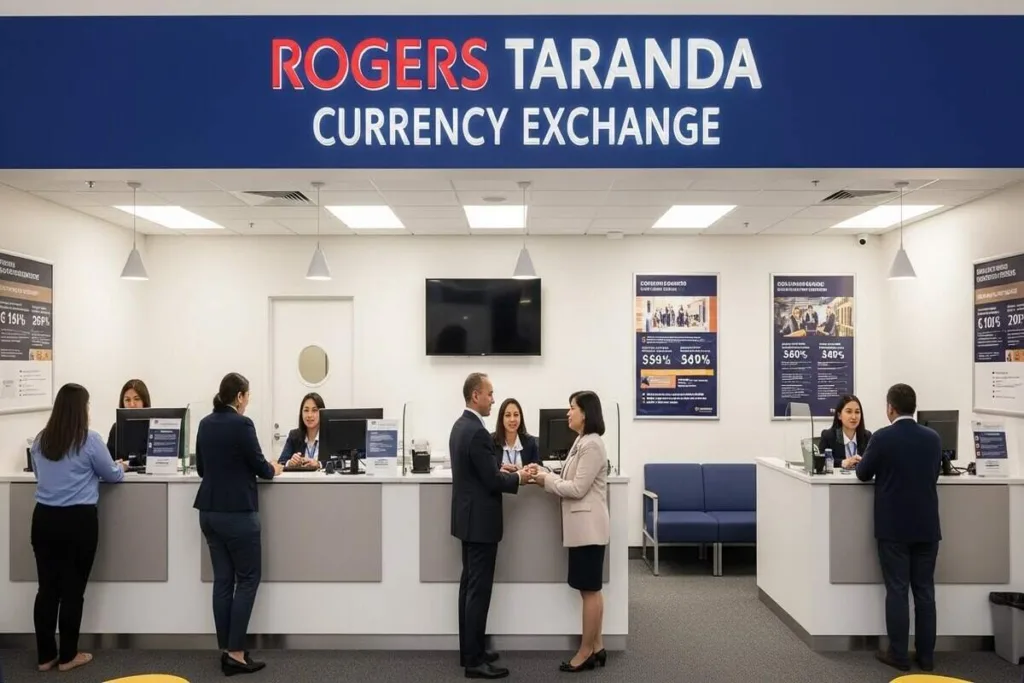
Walk-in services allow individuals to convert cash into foreign money when preparing for travel or international expenses. A currency exchange location provides direct access to foreign banknotes without requiring advance scheduling or a traditional banking relationship. Currency exchange providers may operate as registered Money Services Businesses (MSBs) with the U.S. Department of the Treasury and are subject to federal and applicable state regulatory requirements. Those seeking practical retail conversion guidance can review broader retail currency exchange service guidance to better understand how everyday currency transactions work.
These exchange counters help travelers review exchange rates, obtain commonly used international currencies, and prepare funds for transportation, food, and everyday purchases abroad. This guide highlights practical factors that make walk-in services accessible, including location convenience, operating hours, transparent procedures, and responsible financial practices.

Convenience And Availability In Physical Currency Exchange Locations
Walk-in services make foreign currency conversion easier because customers can access funds without advance reservations. These locations typically operate in travel corridors, retail districts, or transportation hubs where people naturally prepare for international trips.
Consumers benefit from face-to-face service that allows immediate questions about exchange rate fluctuations or currency availability. Physical counters also support cash-based transactions, which many travelers prefer when organizing budgets for transportation, meals, and local purchases abroad.
Location Accessibility In High-Traffic Travel Areas
Walk-in currency exchange counters improve accessibility by operating in locations where travelers already pass through regularly. Airports, transportation terminals, downtown retail areas, and tourist districts often host exchange providers that specialize in international currency services.
These locations support travelers who need to convert dollars to pesos or other currencies shortly before departure. Immediate access reduces the need to wait for bank processing times or shipment delays. For travelers who discover they need foreign cash unexpectedly, walk-in availability allows them to exchange funds quickly while still preparing for their trip.
Extended Business Hours And Flexible Service Access
Accessibility improves when service hours match the unpredictable schedules of travelers. Many exchange locations extend operating hours to accommodate early flights, late arrivals, and weekend travel plans.
Flexible service windows allow consumers to buy and sell currency outside traditional banking hours. Travelers leaving for international destinations often finalize expenses the night before departure. Extended hours ensure they can convert cash securely without needing to reschedule travel preparation tasks or delay important financial planning.
Transparent Rate Display And In-Person Guidance
Consumers often feel more comfortable exchanging money when they can review rates directly before completing a transaction. Walk-in providers usually display current exchange values clearly so customers can compare currency prices and calculate how much foreign money they will receive. Reliable market data sources such as the Federal Reserve H.10 foreign exchange rate data provide broader context on how currency values fluctuate internationally.
Staff assistance also helps travelers understand rate differences between currencies and recognize daily fluctuations. Many people exchanging funds for the first time appreciate in-person explanations that clarify conversion amounts and total cash received before finalizing a transaction.
Immediate Currency Conversion Without Appointment
Walk-in currency exchange allows customers to access foreign cash during a single visit without requiring advance scheduling or a traditional banking relationship. Transactions are typically completed during the visit while still following standard identification and regulatory requirements that apply to financial service providers.
Typical situations where immediate exchange proves useful include:
- Preparing cash for transportation or meals upon arriving in another country
- Converting leftover currency after returning from international travel
- Adjusting budgets after reviewing exchange rate fluctuations
- Securing small denominations for everyday purchases overseas
Transactions are typically completed during the visit, subject to verification and regulatory requirements. This allows travelers to manage real-world situations where foreign cash becomes necessary during trip preparation.

Practical Factors That Improve Consumer Access To Currency Exchange Services
Accessibility also depends on operational practices that make currency exchange straightforward for everyday users. Clear procedures, reliable inventory of common currencies, and knowledgeable staff support smooth transactions. Consumers exploring available currency exchange services often compare service accessibility, exchange procedures, and foreign currency availability before preparing for travel.
Consumers who understand how providers maintain secure operations and transparent processes feel more confident converting funds in person. Well-structured services help travelers plan exchanges efficiently while preparing for international travel or overseas spending.
Clear Identification And Transaction Procedures
Currency exchange providers maintain clear procedures so customers understand what information may be required before completing a transaction. Transparent identification practices support responsible financial operations while helping consumers complete exchanges smoothly.
For example, travelers exchanging funds may be required to present valid identification depending on transaction thresholds and regulatory requirements under the Bank Secrecy Act (BSA). Currency exchange providers may also implement transaction monitoring, recordkeeping, and verification procedures to support compliance with financial regulations.
Certain transactions may be subject to reporting requirements under U.S. financial regulations, including currency transaction reporting or suspicious activity monitoring where applicable.
These verification steps help financial service providers maintain accurate records and support regulatory frameworks governing money services businesses. Agencies such as the Financial Crimes Enforcement Network provide oversight of these compliance structures.
Clear explanations of these requirements help customers prepare necessary documents before visiting an exchange location.
Availability Of Common International Currencies
Accessibility improves when providers maintain consistent inventory of widely used travel currencies. Travelers frequently need major global currencies such as pesos, euros, or yen for immediate use when arriving abroad.
Maintaining popular currency inventory reduces the need for customers to wait for special orders. Walk-in locations typically monitor demand patterns and adjust supply so common travel currencies remain available during peak travel seasons. Travelers can also review economic analysis such as the U.S. Treasury exchange rate analysis to better understand how currency values shift over time.
Consumer Education On Exchange Rate Differences
Many travelers benefit from learning how exchange rate changes affect their purchasing power abroad. Walk-in staff often explain the practical impact of rate fluctuations when consumers convert dollars to pesos or other currencies.
Educational guidance helps customers estimate travel budgets more accurately. For example, travelers preparing for overseas transportation or accommodation costs may ask how current rates influence the final amount they receive. Clear explanations allow them to plan daily spending without misunderstanding conversion values.
Those researching broader retail conversion guidance can review service availability through nearby currency exchange branch locations to identify accessible service offices before travel.
Safety And Compliance Within Regulated Financial Services
Currency exchange providers operate within established regulatory frameworks designed to support responsible financial services. In-person locations maintain procedures that align with anti-money laundering standards and operational policies applied to money services businesses.
These frameworks establish requirements for financial institutions and money services businesses to maintain records, monitor transactions, and operate compliance programs designed to prevent misuse of financial services. Federal oversight guidance, including the Anti-Money Laundering Act of 2020 overview, outlines how these regulatory obligations apply across the financial system.
Consumers benefit from these safeguards because they promote transparent operations and consistent procedures across licensed exchange providers.
How To Prepare Before Visiting A Currency Exchange Location
Preparing in advance can help streamline the currency exchange process and reduce delays during your visit. Consumers may benefit from reviewing current exchange rates, estimating how much foreign currency they need, and bringing valid identification if required by the provider.
It is also helpful to plan for the type of currency needed, including smaller denominations for transportation, meals, or local purchases. Some travelers choose to compare nearby exchange locations to understand availability and service hours before visiting.
Being prepared allows consumers to complete transactions efficiently while ensuring compliance with applicable financial service requirements.
Consumers looking for convenient options can explore nearby currency exchange locations to compare service availability, supported currencies, and operating hours before visiting in person.
Conclusion
Walk-in currency exchange services remain accessible because they combine convenient locations, flexible service hours, and direct customer support. Travelers preparing for international trips often value the ability to convert cash immediately while reviewing exchange rates in person.
Clear procedures, knowledgeable staff, and reliable availability of common currencies make these services practical for everyday travel needs. When consumers understand how exchange locations operate and how rates affect conversions, they can prepare funds confidently and manage overseas expenses more effectively.
Consumers preparing funds for international travel may benefit from using licensed or registered currency exchange providers that operate within established financial regulatory frameworks and follow applicable compliance and reporting obligations.
Educational Disclaimer: This content is provided for general informational purposes only and does not constitute legal, financial, or regulatory advice.
Frequently Asked Questions
What Is Walk-In Currency Exchange Service?
Walk-in currency exchange allows consumers to convert physical cash into foreign currency directly at a service counter.
Why Do Travelers Use Walk-In Currency Exchange?
Travelers use walk-in exchange to obtain foreign cash quickly before departure or immediately after arriving abroad.
Can I Exchange Foreign Currency Without A Bank Account?
Many walk-in providers allow consumers to exchange foreign currency using cash without requiring an existing bank account.
How Do Exchange Rates Affect Travel Budgets?
Exchange rates determine how much foreign currency travelers receive when converting funds for transportation, food, and local expenses.
Is Currency Exchange Regulated In The United States?
Currency exchange providers often operate as money services businesses and must follow financial regulations governing recordkeeping and compliance.

Alvin is a Content and SEO Specialist who creates clear and helpful content about money transfers and payment systems. He focuses on making complex topics easy to understand so readers can learn how these services work in everyday situations.