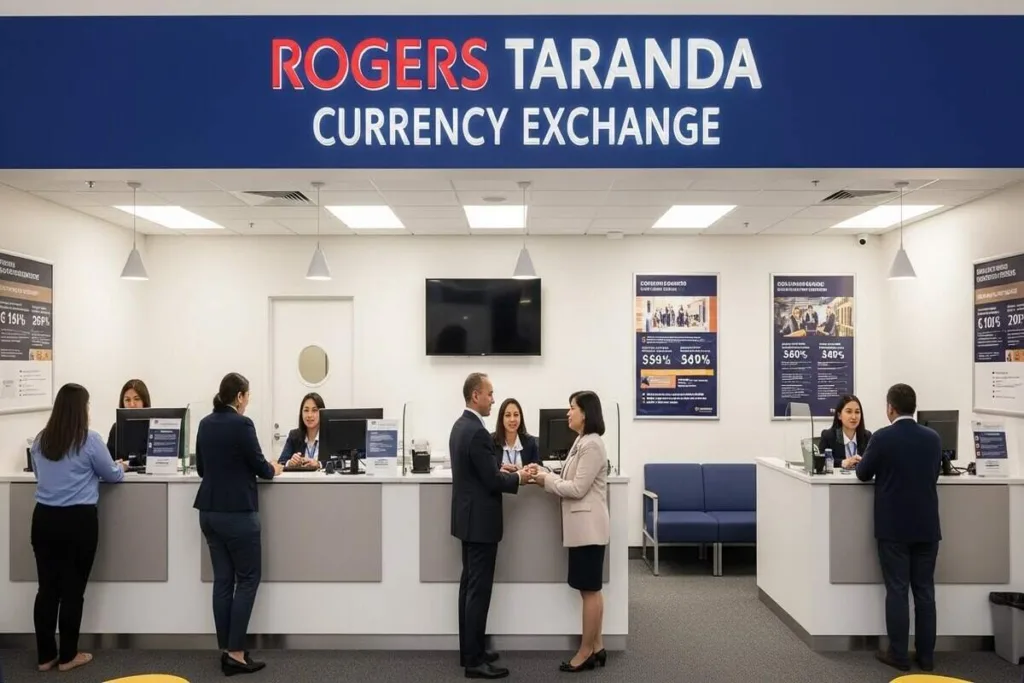
Travelers plan currency exchange for a destination by estimating spending needs and choosing reliable ways to access local funds. They align timing, amount and access methods to avoid shortages while maintaining flexibility during travel transactions.
For a broader understanding of retail currency exchange guidance, visit Understanding Currency Exchange Services For Consumers.
Note: Currency exchange counters show fees by separating the exchange rate, service charge, and final payout before the transaction is confirmed. This allows customers to clearly understand the total cost and avoid hidden fees.
Fees and exchange rates may vary by location, transaction size, and market conditions.
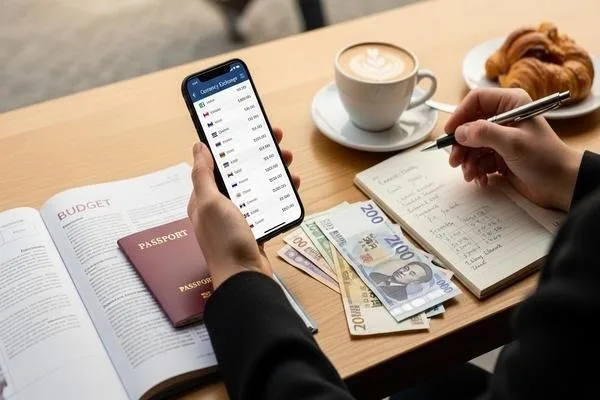
How Do Travelers Estimate Foreign Currency Exchange Cash Needs?
Estimating how much local currency to prepare is the foundation of a smooth currency exchange plan. By analyzing daily expenses, payment habits and destination infrastructure, individuals can determine accurate foreign exchange requirements before departure. This approach helps avoid both cash shortages and excess funds, while ensuring consistent access to money throughout the trip.
To access reliable and secure options, consider reviewing available currency exchange services that support different transaction needs.
Daily Spending Categories Help Project Total Cash Requirements
Breaking down daily expenses helps create a more accurate estimate of total cash requirements for any destination. By organizing spending into clear categories, it becomes easier to plan how much local currency is needed for the entire trip.
Key expense areas include:
- Food and dining for everyday meals and occasional dining experiences
- Transportation such as local transit, taxis or short-distance travel
- Small purchases like snacks, souvenirs and convenience items that often require cash
Average daily costs are estimated using destination-specific prices and multiplied by the trip length to set a realistic cash baseline. Extra expenses like tours, tips, and local services, especially where digital payments are limited, should also be included, as they can add up quickly. Planning for these helps avoid frequent currency exchanges and ensures smoother, more confident spending during the trip.
To better understand how exchange values fluctuate, reviewing official Federal Reserve foreign exchange rate data can provide useful reference points for planning.
Payment Preferences And Destination Infrastructure Influence Cash Amounts
Payment behavior at the destination determines whether more reliance can be placed on cards or physical cash. Locations with strong digital payment systems allow reduced cash needs, while cash-heavy environments require higher preparation.
Urban areas often support electronic payments, while rural regions depend more heavily on physical currency for daily transactions. Adjusting based on infrastructure helps balance convenience with readiness when planning exchange amounts.
Consumers can also explore financial education tools from the FDIC Money Smart program to better understand budgeting and spending behaviors when preparing for currency exchange.
Contingency Buffers Prepare For Unexpected Expenses During Travel
A buffer is added to cover emergencies, price changes or spontaneous activities requiring immediate payment in local currency. This prevents financial stress and ensures smooth handling of unexpected situations during the trip. Travelers should also avoid carrying more cash than necessary and remain aware of local currency transportation rules.
Typically, a small percentage is added to the total estimated budget and converted in advance. This proactive approach supports better financial control while navigating unfamiliar environments and payment systems.
For additional consumer protection insights, the FDIC Consumer Resource Center offers guidance on managing money safely across different financial environments.
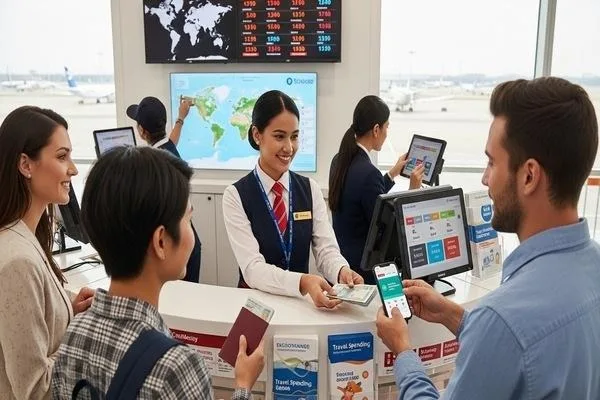
How To Time And Manage Currency Exchange For Seamless Travel Spending
Managing currency exchange effectively requires careful timing, method selection and ongoing access planning throughout the trip. Travelers must decide whether to exchange funds before departure or at the destination, while also choosing between cash, cards and digital payment options based on local infrastructure. A well-structured foreign exchange approach ensures consistent access to funds, reduces transaction disruptions and supports smoother day to day spending in unfamiliar environments. For broader consumer guidance on financial tools and decision-making, the CFPB consumer financial tools provide useful resources for managing money responsibly.
Exchange Timing Depends On Readiness Versus Destination Access
Some people exchange currency before departure to ensure immediate access upon arrival at their destination. Others prefer exchanging locally where services are more tailored to the destination’s currency and usage patterns.
A balanced strategy involves securing a small amount beforehand while completing the remaining exchange after arrival. This approach ensures readiness while maintaining flexibility in accessing local currency services. When exchanging funds, individuals should use licensed and regulated financial service providers to ensure reliability and transparency. Financial institutions must also follow strict compliance frameworks such as the FinCEN anti-money laundering requirements, which govern how exchange services operate securely.
Access Methods Include Cash Exchange, Cards And Digital Payment Options
Different methods are evaluated to determine how funds will be accessed across various transaction scenarios. These include physical cash, payment cards and mobile-based payment solutions depending on destination infrastructure.
For clarity, common access methods include:
- Cash exchange for immediate transactions in areas with limited digital payment acceptance
- Payment cards for convenience in urban locations with established electronic systems
- Digital wallets for quick payments where mobile platforms are widely supported
Using multiple methods ensures consistent access to funds and reduces reliance on a single payment channel.
Withdrawal And Exchange Frequency Supports Steady Cash Availability
Planning when to withdraw or exchange additional funds helps avoid carrying excessive amounts of physical currency. Spending patterns are monitored to determine when additional local currency is needed during the trip.
This approach maintains sufficient cash levels while minimizing risks and inconvenience associated with carrying large amounts. It also supports a more efficient and controlled currency exchange strategy throughout the journey. Checking exchange terms and documentation requirements in advance can help prevent delays when accessing funds.
For convenient access to services, individuals can locate nearby branch locations to complete transactions securely and efficiently.
Key Takeaways
- Travelers plan currency exchange by estimating total destination expenses and aligning cash needs with expected daily spending patterns.
- They adjust cash amounts based on payment infrastructure and accessibility of digital payment methods within their chosen destination.
- Travelers choose exchange timing strategically, balancing pre-departure preparation with flexibility upon arrival in the destination country.
- They diversify access methods using cash, cards and digital wallets to ensure consistent financial access throughout their trip.
- Travelers include contingency buffers and monitor spending to maintain steady and reliable access to local currency during travel.
Conclusion
Planning currency exchange for a destination requires estimating expenses and selecting reliable ways to access funds efficiently. A structured approach that combines preparation with flexibility ensures access to local currency without unnecessary stress. Adjusting for payment infrastructure, timing exchange activities and maintaining a buffer all contribute to smoother transactions. This method allows individuals to focus on their trip instead of worrying about financial access or payment limitations. With proper planning, currency exchange becomes a simple and manageable part of the travel experience.
Prepare your currency exchange ahead of time and choose reputable, regulated service providers to support a smoother and more confident travel experience.
Disclaimer: This content is provided for general informational purposes only. It does not constitute financial, legal, or regulatory advice, and individual circumstances may require consultation with a qualified professional.
Customers have the right to review all transaction details before approval and may decline the transaction if terms are not clear.
FAQs
How much currency should be exchanged before arriving at a destination?
Exchange enough for initial expenses such as transport, meals and small purchases for the first few days.
Is it better to exchange currency before traveling or at the destination?
A combined approach works best by securing a small amount beforehand and completing the rest after arrival.
Why is cash still important if cards are widely accepted?
Many small vendors, transport services and local businesses still rely on cash, especially outside urban areas.
How can running out of local currency be avoided during a trip?
Monitor spending, plan withdrawals and maintain a buffer to ensure consistent access to funds.
What factors influence how currency exchange is planned?
Key factors include destination payment habits, trip duration, spending categories and access to exchange options.

John is a Content & SEO Specialist who enjoys breaking down complex financial topics, like cross-border payments and money transfers, into content that’s easy to understand. He focuses on creating practical, search-driven content that helps people find answers and make informed decisions.