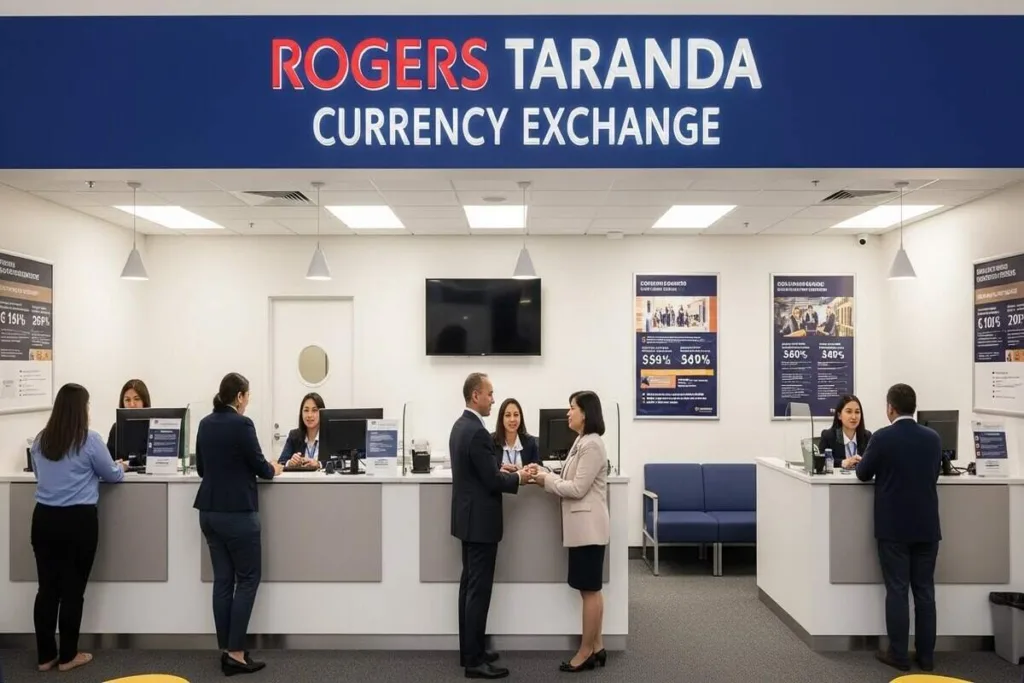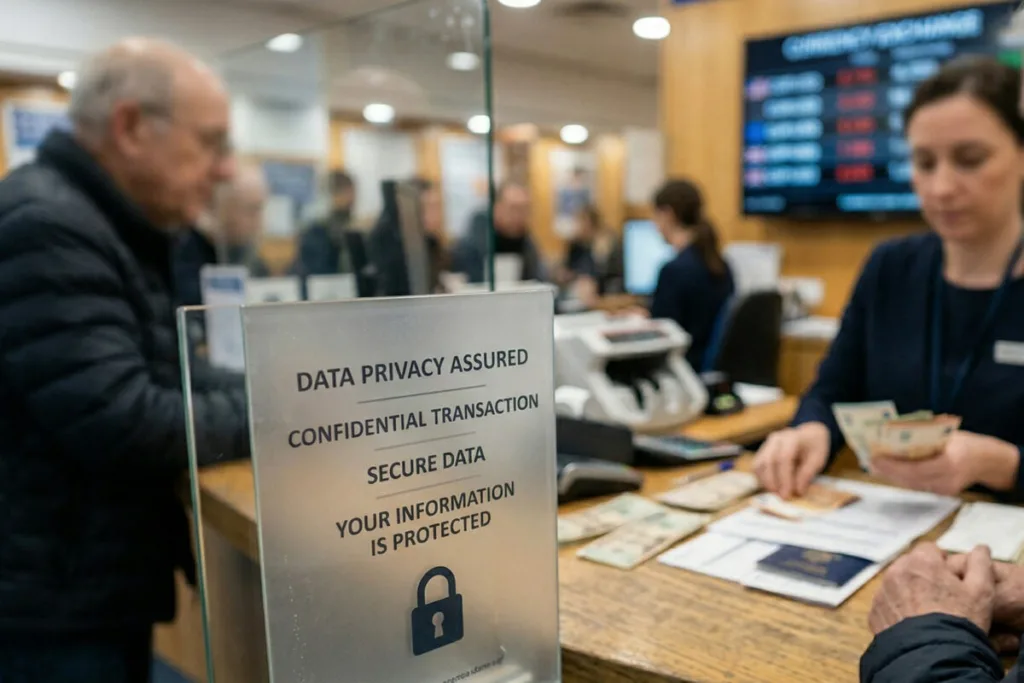
Currency exchange counters handle sensitive financial details, making information protection essential for every customer completing international or domestic transactions. Understanding how these counters safeguard your personal and payment data helps you transact confidently without worrying about potential security breaches. This guide explains the measures currency exchange providers implement to protect your information securely during every customer transaction.
Robust security protocols, including encryption and identity verification, ensure that your data remains protected throughout each stage of the exchange process. Licensed providers follow strict compliance standards, reinforcing transparency, accuracy and trust when handling confidential financial and personal information. Well-trained staff and secure systems work together to prevent fraud, unauthorized access and potential misuse of sensitive transaction records.
For broader context, explore our guide on how everyday currency exchange services work to make informed, confident decisions.

How currency exchange counters secure customer data
Currency exchange counters secure customer data through layered safeguards that protect personal identities, financial details and transaction records.
Note: The institutions also monitor transactions and report suspicious activity as required by FinCEN. Certain transactions may require additional documentation in accordance with regulatory thresholds. Records are maintained in accordance with Bank Secrecy Act (BSA) requirements for audit and compliance purposes.
Identity verification procedures protect personal information
Identity verification procedures protect personal information by confirming customer credentials before processing any currency conversion or releasing funds. These checks ensure compliance with regulations while preventing unauthorized transactions, identity fraud and misuse of sensitive documentation. Standard verification practices align with federal compliance expectations outlined by the Financial Crimes Enforcement Network regulatory guidance.
Standard verification practices typically include the following essential security steps to protect customers and maintain regulatory compliance:
- Valid government-issued identification such as passports or national identity cards for accurate customer authentication.
- Real-time verification systems that confirm identities and detect suspicious or inconsistent information during transactions.
- Customer recordkeeping procedures that support anti-money laundering requirements and ensure transparent traceable financial exchanges.
These safeguards reinforce trust during exchanges
Secure digital systems encrypt transaction details
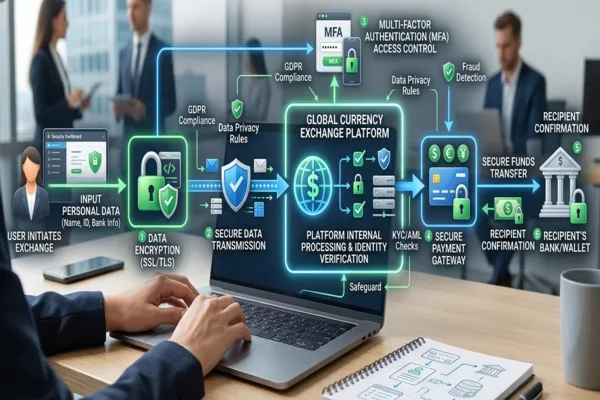
Secure digital systems encrypt transaction details using advanced technologies that prevent unauthorized access during processing, transmission and secure storage. These systems safeguard sensitive financial information, ensuring confidentiality and integrity throughout every stage of the currency exchange process.
Key digital security measures implemented by reputable currency exchange counters include the following protective technologies and protocols:
- End-to-end encryption protects transaction data from interception during digital processing and electronic record transmission.
- Secure payment gateways ensure safe authorization of card transactions while minimizing risks associated with cyber fraud and data breaches.
- Multi-factor authentication verifies user identities by requiring additional verification steps before granting access to sensitive financial systems.
These protections reduce cyber risks significantly. For customer assistance or service inquiries, visit the Order Express contact page.
Physical security measures safeguard on-site data
Physical security measures safeguard on-site data by restricting access to authorized personnel and monitoring activities through secure surveillance systems. These protections ensure sensitive documents and financial records remain protected throughout every stage of in-person currency exchange and money transfer services transactions.
Key on-site security practices implemented by reputable currency exchange counters include the following protective measures to enhance customer safety:
- Controlled access areas limit entry to trained staff, preventing unauthorized handling of confidential customer information and sensitive financial records.
- High-resolution surveillance cameras monitor transactions continuously, deterring fraudulent activities and supporting incident investigations when security concerns arise.
- Secure document handling protocols ensure identification records and receipts remain protected from loss, theft or unauthorized duplication during processing.
These measures reinforce customer trust, ensuring privacy, operational integrity and confidence when conducting secure currency exchanges at professional service counters.
What privacy policies and regulations protect your information
Privacy policies and regulatory frameworks protect your information by establishing strict operational standards that currency exchange providers must consistently follow.
Compliance with financial regulations ensures accountability
Compliance with financial regulations ensures accountability by requiring exchange counters to implement customer identification, recordkeeping and anti-money laundering safeguards. These regulatory standards establish structured procedures that protect sensitive financial information and promote transparency during every currency exchange transaction, as explained in the FFIEC BSA/AML examination manual.
Reputable currency exchange counters follow Know Your Customer procedures to verify identities and prevent fraud, financial crimes and suspicious transactions. They also implement anti-money laundering protocols to detect, report and deter illegal financial activities through continuous monitoring and documentation. Accurate recordkeeping ensures transaction traceability, supporting audits, regulatory reviews and secure handling of sensitive customer financial data.
These safeguards protect customers while strengthening institutional accountability, ensuring trustworthy, transparent and secure currency exchange services in regulated financial environments.
Transparent privacy policies clarify data usage
Transparent privacy policies clarify data usage by explaining how exchange providers collect, store and protect customer information during transactions. These policies outline data handling practices clearly, helping customers understand how their personal and financial information remains safeguarded, as supported by the Consumer Financial Protection Bureau guidance on sending money.
Reputable currency exchange counters disclose how information is used, retained and shared in accordance with applicable financial regulations and privacy standards. Clear documentation also explains customer consent requirements, ensuring individuals remain informed before providing identification or completing any financial transaction.
Customers can review these policies to understand their rights, ensuring confidence when sharing identification details with authorized exchange counters. By promoting openness and accountability, transparent privacy policies strengthen trust and support secure, informed and responsible currency exchange experiences.
Staff training strengthens confidentiality standards
Staff training strengthens confidentiality standards by educating employees on handling practices, ethical responsibilities and regulatory obligations during customer interactions. These structured programs equip personnel with the knowledge required to protect sensitive information and maintain compliance with financial security regulations.
Comprehensive training covers data protection protocols, identity verification procedures and secure transaction handling to prevent unauthorized access or disclosure. Employees also learn to recognize suspicious activities, respond appropriately to security concerns and follow established privacy guidelines consistently.
Well-trained personnel reduce risks of data exposure, ensuring your personal and financial information remains confidential throughout the currency exchange process. By prioritizing professionalism and accountability, currency exchange counters foster trust, enhance service reliability and deliver secure, customer-focused financial experiences. Learn more about company values and compliance on the Order Express About Us page.
Verify the legitimacy of exchange counters
Verifying the legitimacy of exchange counters protects your information by ensuring you transact only with licensed, reputable and professionally managed providers. Confirming authenticity before initiating any transaction reduces exposure to fraud, identity theft and unauthorized handling of sensitive financial information.
To ensure you select a trustworthy provider, carefully review the following essential indicators of credibility and regulatory compliance:
- Valid operating licenses issued by recognized financial authorities, demonstrating adherence to legal standards and regulatory requirements.
- Clearly displayed exchange rates and transparent fee structures that prevent hidden charges and promote informed financial decision-making, as reflected in the Federal Reserve foreign exchange rate data.
- Official branding, professional premises and verifiable contact details that confirm the provider’s authenticity and operational legitimacy.
Taking these precautions strengthens transaction security, safeguards personal data and ensures a reliable, transparent and confident currency exchange experience. You can locate a trusted service point through the Order Express branch locator.
Follow safe transaction practices at counters
Following transaction practices at counters protects your information by minimizing unnecessary data exposure and maintaining awareness throughout the exchange process.
To enhance security during in-person exchanges, remember these essential precautions that help safeguard your valuable confidential financial information:
- Avoid sharing personal identification details aloud in crowded areas where unauthorized individuals may overhear sensitive information during transactions.
- Carefully review receipts and transaction summaries before leaving the counter to confirm accuracy and detect any discrepancies immediately.
- Shield payment instruments and identification documents from view to prevent unauthorized access or duplication by malicious observers nearby.
- These practices align with consumer financial literacy standards promoted by the FDIC Money Smart financial education program.
Understand your rights and ask questions
Understanding your rights and asking questions protects your information by ensuring transparency and reinforcing accountability throughout every stage of the exchange. Being informed empowers you to make confident decisions while safeguarding sensitive personal and financial details during currency transactions.
To protect your data effectively, remain aware of the following essential customer rights and security considerations:
- The right to request clear explanations about data collection, storage practices and privacy policies before completing any transaction.
- The right to review exchange rates, service fees and transaction receipts to ensure transparency and prevent unexpected discrepancies.
- The right to decline services if security standards, licensing credentials or privacy assurances appear unclear or insufficient.
If uncertainties arise, request clarification regarding data handling procedures, privacy policies or security measures before finalizing your currency exchange transaction.
Key takeaways
- Currency exchange counters protect your information using encryption, regulatory compliance and secure digital systems throughout every transaction.
- Identity verification procedures prevent fraud by confirming customer credentials before processing currency conversions or releasing exchanged funds.
- Physical safeguards, including surveillance and restricted access, protect sensitive documents and ensure privacy during in-person transactions.
- Transparent privacy policies explain how providers collect, store and secure customer data in accordance with financial regulations.
- Staff training and compliance protocols strengthen confidentiality and ensure responsible handling of personal and financial information.
- Customer awareness enhances security by encouraging verification of licenses, review of receipts and adherence to safe transaction practices.
- Understanding these protections helps you exchange currency confidently while ensuring your sensitive information remains secure and well-managed.
Conclusion
Protecting personal and financial information remains essential when conducting secure currency transactions at trusted licensed professional exchange counters. Advanced encryption, regulations and trained staff ensure your sensitive data stays protected throughout every secure transaction step. By understanding safeguards, you can approach exchanges confidently and minimize risks associated with identity theft or fraud. Choosing a reputable provider like Order Express ensures reliable service, transparent practices and protection for every transaction. Order Express prioritizes privacy through secure systems, compliance standards and professional support designed to safeguard your information.
Stay informed, verify credentials and follow safety practices to maintain confidence when exchanging your valuable international currency securely. Make financial decisions today by choosing trusted exchange services that value transparency, efficiency and customer-focused data protection. Visit Order Express to complete your next currency exchange confidently and experience secure and seamless service tailored to you.
Disclaimer: This article provides general educational information and should not be considered financial, legal or professional advice for specific situations.
Order Express is registered with the Financial Crimes Enforcement Network (FinCEN) as a Money Services Business (MSB) under the Bank Secrecy Act (BSA). We strictly follow Know Your Customer (KYC), Anti-Money Laundering (AML), and record retention requirements. These practices ensure that all financial transactions are secure, transparent, and compliant with federal and state regulations.
FAQs
How do currency exchange counters protect personal information?
They use encryption, identity verification and regulatory compliance to safeguard sensitive customer and transaction data.
What documents are required for secure currency exchange transactions?
Most counters require valid government-issued identification to verify identity and comply with anti-money laundering regulations.
Are digital systems at exchange counters secure?
Yes, secure systems use encryption and access controls to prevent unauthorized access and protect transaction records.
How can customers enhance their information security during transactions?
Customers should verify licenses, review receipts carefully and avoid sharing personal details in crowded or unsecured environments.
Do currency exchange counters retain customer data after transactions?
Licensed providers retain necessary records securely to meet regulatory requirements while protecting customer privacy and confidentiality.

Alvin is a Content and SEO Specialist who creates clear and helpful content about money transfers and payment systems. He focuses on making complex topics easy to understand so readers can learn how these services work in everyday situations.