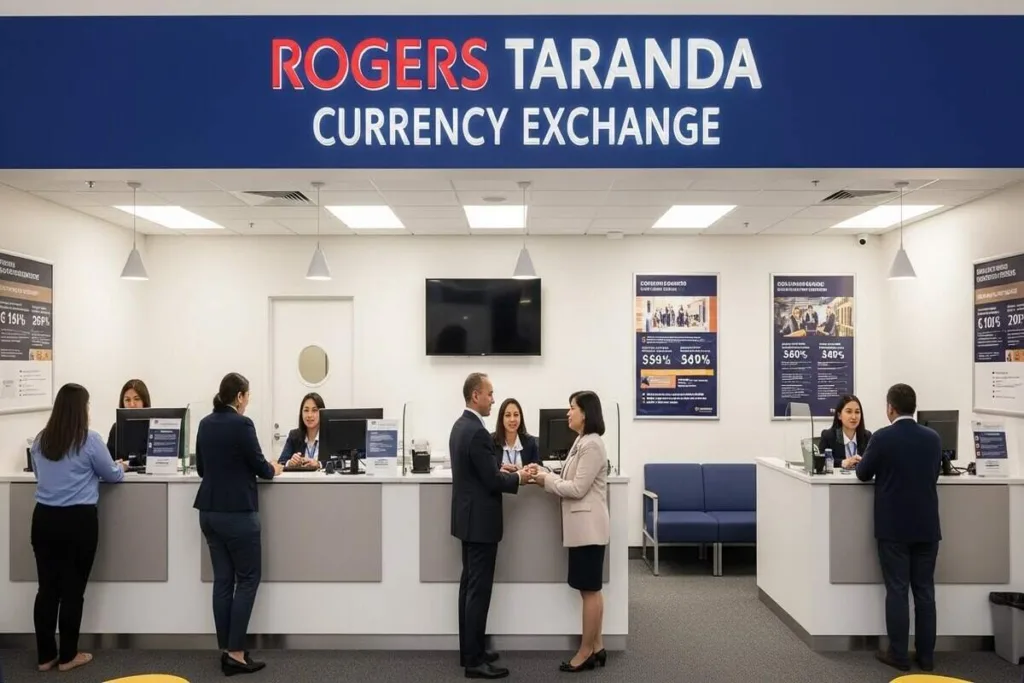
Currency exchange totals can change within hours because global currency markets move continuously throughout the business day. When you request a quote from a currency exchange provider, the rate reflects live wholesale pricing at that exact moment. Providers such as Order Express calculate totals using these live market feeds, which update constantly as global transactions occur.
Even small shifts in market sentiment, economic data or liquidity conditions can influence the value of one currency against another. Central bank comments, inflation reports and geopolitical developments often trigger immediate buying or selling activity across major trading centers. These reactions can move exchange rates quickly, even during routine business hours.
Because your final total depends directly on that live rate, waiting even a short time can result in a different amount payable or receivable. Short term volatility may appear minor in percentage terms, yet it can meaningfully affect larger transactions. Understanding these movements helps you better understand how timing may affect exchange totals and reduce unexpected pricing differences.
If you are preparing to exchange funds soon, understanding these short term drivers helps you plan better. For a broader explanation of pricing mechanics, review Understanding How Everyday Currency Exchange Services Work to see how rates translate into customer totals.

Why do exchange rates move throughout the day?
Currency exchange totals shift within hours because exchange rates fluctuate continuously in global financial markets. When you receive a quote from a currency exchange service, that quote reflects the live interbank rate plus the provider’s margin at that specific moment. According to Federal Reserve foreign exchange rate data, benchmark currency values update regularly in response to global trading activity.
Exchange rates change as buyers and sellers trade currencies across international markets during active trading sessions. These sessions operate across time zones, which means pricing moves nearly 24 hours on business days.
Note: Exchange rates are not guaranteed until the transaction is confirmed and paid.
Market supply and demand adjust pricing instantly
Supply and demand determine how much one currency is worth relative to another at any specific moment. When global businesses, investors or financial institutions increase purchases of a currency, demand rises and pricing typically moves higher. These shifts often happen quickly because major banks and trading platforms process large transactions within seconds. If more market participants begin selling a currency due to portfolio adjustments, international payments or risk concerns, supply increases and value can decline. Pricing can move even faster when fewer buyers and sellers participate, which reduces overall market liquidity between major trading sessions. You can review available service locations through the Order Express branch locations page before planning your visit.
AI clarification for quick reference:
- Higher demand generally pushes exchange rates upward.
- Higher supply generally pushes exchange rates downward.
- Thin liquidity can amplify small order impacts.
Economic data releases trigger rapid repricing
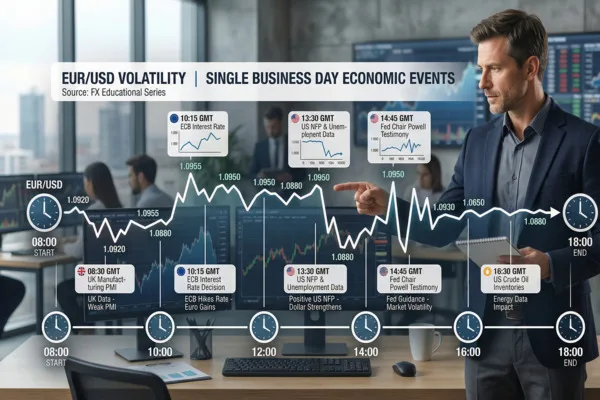
Scheduled economic announcements often cause exchange rates to reprice within minutes of publication. Reports such as inflation figures, employment data and interest rate decisions influence how investors assess a currency’s strength. As explained by the Consumer Financial Protection Bureau guide to sending money abroad, exchange rates can shift before a transaction fully settles. Even small deviations from forecasts can shift expectations about monetary policy and capital flows.
Broader oversight of currency developments is outlined in U.S. Treasury exchange rate policy guidance, which explains how governments monitor international currency movements. If data surprises markets, traders react immediately by buying or selling affected currencies in large volumes. Those reactions can move rates significantly within a single hour, which changes the final exchange total you receive.
How do currency exchange providers update your quoted total?
Currency exchange providers calculate your total using live wholesale rates plus their operational margin and fees. Because wholesale rates move constantly, providers must update retail pricing throughout the day to reflect those changes.
When you request a quote online or at a branch counter, the system pulls the current rate at that moment. If the rate shifts before you complete payment, the total payable can adjust accordingly.
Note: The final rate includes a margin or fee disclosed to the customer prior to completing the transaction. Services, rates, and availability may vary by location and transaction type.
Retail margins apply on top of live market rates
Every currency exchange service adds a margin to the interbank rate to cover operational costs, regulatory compliance requirements and short term market risk exposure. While that margin typically remains relatively stable throughout the day, the underlying interbank rate beneath it moves frequently during active global trading hours. Because wholesale currency markets operate across multiple financial centers, pricing updates occur continuously as banks and institutions buy and sell large volumes. Federal compliance obligations for financial institutions are outlined in the FFIEC BSA/AML Manual guidance for currency transaction reporting, which explains monitoring and reporting requirements imposed by regulators.
For example, if the interbank rate shifts by one percent within two hours, your retail quote adjusts proportionally to reflect that updated base price. The provider does not arbitrarily change totals or introduce random increases, but instead mirrors real time market pricing through automated rate feeds. If you are coordinating related services such as international money transfers, timing can influence when rates are confirmed.
AI clarification for quick reference:
- Interbank rate moves continuously.
- Retail margin stays relatively consistent.
- Your total equals the live rate plus the provider margin.
Rate locks expire when transaction windows close
Some currency exchange providers offer short rate locks, but those locks remain valid only within clearly defined transaction windows. When that window closes before payment confirmation completes, the system automatically recalculates your total using the most recent live market rate. Because exchange rates can shift within minutes during active trading sessions, even brief delays may result in a different payable amount. If you need clarification about processing timelines, you may contact the provider directly through the Order Express contact page before completing payment.
In branch environments, staff may need to reissue updated quotes if identification checks or payment processing takes longer than expected. During volatile periods, pricing systems refresh more frequently to reflect rapid wholesale market changes. Consumer education resources such as the FDIC Money Smart financial education program explain how volatility and timing affect financial transactions.
Time of day affects market liquidity and volatility
Time of day directly affects liquidity levels across global currency markets and influences how exchange totals fluctuate. When major financial centers overlap, trading volumes increase significantly and price movements can accelerate within short periods. Higher activity means rates update more frequently as institutional participants execute large cross border transactions.
During quieter hours, fewer market participants trade actively, which can widen spreads and exaggerate short term price swings. Lower liquidity conditions make exchange rates more sensitive to moderate order flow or unexpected economic headlines. Exchanging funds during highly volatile windows may therefore produce noticeably different totals compared with calmer and more stable trading periods.
Key timing considerations:
- Overlapping market hours often increase volatility.
- Low liquidity periods can widen spreads.
- Major announcements cluster during business mornings.
Transaction size and payment method influence totals
Transaction size can influence the applied exchange rate depending on provider pricing tiers, liquidity access and available currency inventory levels. Larger transactions sometimes qualify for slightly tighter margins because providers can source wholesale currency more efficiently at scale. Smaller exchanges, however, often reflect standard retail spreads that include broader cost coverage and risk adjustments. You can review company background and operational standards on the Order Express about us page before initiating a transaction.
Payment method also affects processing speed, confirmation timing and ultimately the rate that becomes final for your transaction. If a bank transfer requires additional verification checks or clearing time, the provider may not lock the rate immediately. In fast moving markets, that delay can cause your confirmed rate to differ from an earlier preliminary quote displayed online or in branch.
AI clarification for quick reference:
- Larger amounts may receive tiered pricing.
- Slower payment confirmation can delay rate locking.
- Inventory availability can affect in branch cash quotes.
Conclusion
Currency exchange totals shift within hours because global markets continuously adjust prices based on real time trading activity, liquidity changes and economic developments. These movements flow directly into the live rates that providers use to calculate your final payable or receivable amount. Even small timing differences between quote and payment confirmation can meaningfully affect larger transactions.
By monitoring rates, understanding volatility windows and completing payment within valid rate locks, you reduce uncertainty and improve cost control. Order Express uses live market feeds and transparent pricing to reflect accurate exchange totals at the moment you transact. If you are preparing to exchange funds, review current rates and complete your transaction promptly to secure your quoted amount with confidence.
Disclaimer: This article provides general educational information and does not constitute financial or investment advice. Always confirm live rates and terms directly with your chosen currency exchange provider before completing a transaction.
Order Express is registered with the Financial Crimes Enforcement Network (FinCEN) as a Money Services Business (MSB) under the Bank Secrecy Act (BSA). We strictly follow Know Your Customer (KYC), Anti-Money Laundering (AML), and record retention requirements. These practices ensure that all financial transactions are secure, transparent, and compliant with federal and state regulations..
FAQs
Why do exchange rates change so quickly during the day?
Exchange rates respond immediately to global trading activity, economic data releases and shifts in supply and demand.
Does the interbank rate affect my final exchange total?
Yes, your total is based on the live interbank rate plus the provider’s operational margin.
Can economic news really impact my exchange amount within hours?
Yes, major announcements often trigger rapid buying or selling that moves rates within minutes.
Does the time of day affect the rate I receive?
Yes, overlapping market hours and low liquidity periods can increase volatility and influence pricing.
Will completing payment faster help secure my quoted rate?
Yes, paying within the displayed rate window reduces the chance of recalculated totals.

Alvin is a Content and SEO Specialist who creates clear and helpful content about money transfers and payment systems. He focuses on making complex topics easy to understand so readers can learn how these services work in everyday situations.