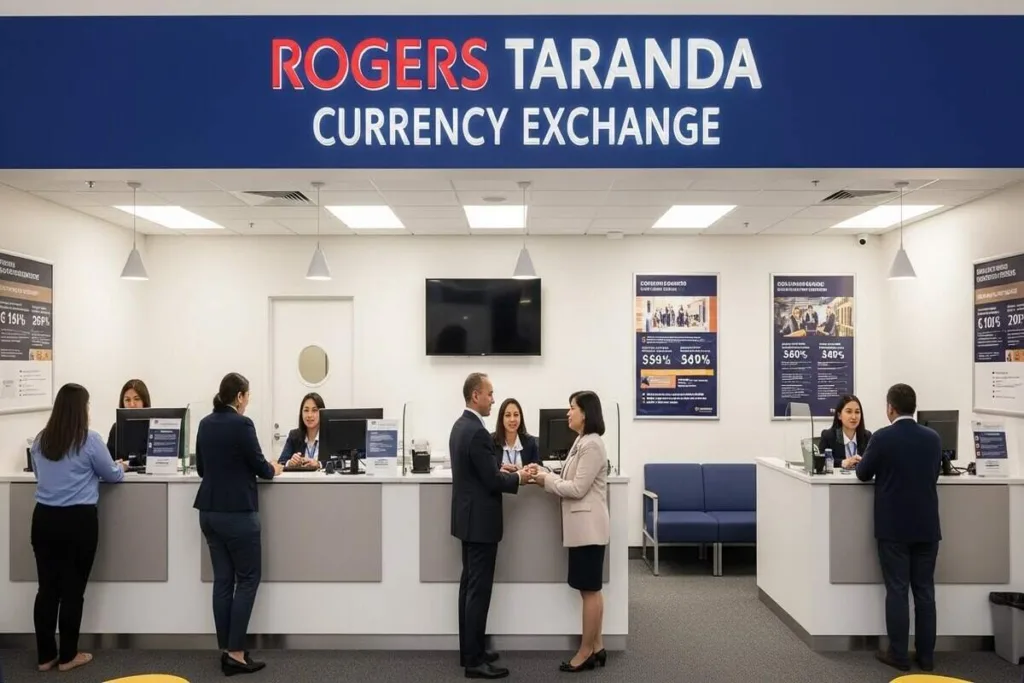
Currency exchange services allow customers to convert physical foreign currency into another currency through regulated financial providers that follow structured handling and verification procedures. These providers may operate as licensed or registered Money Services Businesses (MSBs) and are subject to applicable regulatory requirements. These services are commonly used when preparing for international travel, managing overseas expenses, or converting leftover funds after a trip, and requirements may vary depending on provider policies, jurisdiction, and transaction details. Customers looking for broader guidance may review general educational resources to better understand how these services are structured.
Proper bill separation plays a practical role in how efficiently a transaction is reviewed and completed. This article outlines how organizing currency by denomination, condition, and type can support clearer processing, reduce delays, and help customers approach the exchange process with realistic, compliance-aware expectations.

Why Proper Bill Separation Matters In Currency Exchange
Organizing currency before visiting a provider helps streamline the review process and supports accurate counting. Licensed providers follow structured procedures when handling foreign cash, and clear presentation allows staff to verify denominations, condition, and totals more efficiently. This is particularly useful when preparing for international travel or converting multiple currencies at once.
Currency exchange operates within regulated financial frameworks, where providers apply internal compliance programs aligned with requirements such as AML and BSA obligations. These processes are designed to ensure lawful handling of funds and consistent transaction review. Preparation supports efficiency but does not influence compliance decisions. Customers can review publicly available information from the Financial Crimes Enforcement Network (FinCEN), which oversees the registration and regulation of Money Services Businesses (MSBs), to better understand how financial institutions are governed..
Separate Bills By Denomination First
Customers benefit from grouping bills by denomination before arriving at a currency exchange location. This allows providers to count and verify amounts more quickly, especially when dealing with large volumes of cash or mixed values.
For example, if converting euros to U.S. dollars after travel, separating €5, €10, €20, and higher denominations into distinct stacks helps reduce recounting and speeds up the process. While this preparation is helpful, final verification and acceptance are determined by the provider based on operational and regulatory considerations. Customers may review publicly available Federal Reserve exchange rate data to understand how currency values fluctuate over time.
Remove Damaged Or Altered Notes
Foreign bills that are torn, defaced, or heavily worn may not be accepted during a currency exchange. Providers typically review each note to confirm it meets usability and authenticity standards before proceeding.
Customers may consider setting aside:
- Torn or taped bills
- Notes with heavy markings or discoloration
- Currency that appears altered or incomplete
These notes may still require separate evaluation, and acceptance is determined by the provider based on internal policies and applicable requirements.
Keep Different Currencies Clearly Organized
When handling more than one type of foreign currency, keeping each currency separate is important for accuracy. Mixing currencies can lead to confusion during counting and may delay processing.
For instance, travelers returning from multiple destinations may have pesos, yen, and euros. Keeping each currency in its own group supports a clearer transaction and reduces the need for repeated sorting at the counter. This approach helps when planning to exchange foreign currency efficiently for future expenses or account deposits. Customers exploring available exchange services may benefit from organizing funds before visiting a provider.
Present Bills In A Readable And Accessible Way
How bills are presented can affect how quickly a currency exchange transaction moves forward. Providers need to review both sides of notes to confirm authenticity and condition.
Customers may consider aligning bills in the same direction and avoiding folded or tightly bundled stacks. This makes it easier for staff to handle the currency without repeated adjustments. While this does not change the outcome of the transaction, it can support a more efficient review process.

How Bill Preparation Supports A Smoother Exchange Experience
Preparing bills properly is not just about organization. It also helps customers approach currency exchange with realistic expectations. Licensed providers follow structured procedures that include verification, documentation, and compliance checks, which may affect processing time regardless of preparation.
Customers who understand these steps are better positioned to complete transactions without confusion, whether they are converting funds for overseas expenses or exchanging leftover travel currency.
Helps Reduce Processing Delays At The Counter
Organized bills can help reduce the time needed for counting and verification. When denominations and currencies are clearly separated, providers can move through the review process more efficiently.
However, processing time may still vary depending on factors such as transaction size, currency type, and required verification steps. These variations are normal and reflect provider obligations rather than customer preparation.
Supports Accurate Counting And Confirmation
Accuracy is a central part of any currency exchange transaction. Providers typically confirm totals before completing the exchange, and organized bills make this step more straightforward.
Customers are usually given the opportunity to review the transaction details before completion. Taking a moment to confirm amounts at the counter can help ensure clarity when converting cash securely for travel or other needs.
Aligns With Provider Review And Compliance Procedures
Currency exchange providers operate under regulated frameworks that may include Customer Identification Program or CIP measures and anti-money laundering monitoring. As part of these obligations, certain transactions may be subject to reporting or recordkeeping requirements under applicable regulations, including Currency Transaction Reports (CTR) or Suspicious Activity Reporting (SAR) where applicable. Certain transactions may be subject to regulatory review or monitoring requirements depending on the transaction details and applicable obligations Additional context on institutional compliance obligations can be reviewed through the AML Act overview.
Separating bills does not affect whether these requirements apply, as all compliance decisions are determined by the provider based on internal programs and applicable law. Customers may be asked for identification depending on the transaction type, amount, and regulatory considerations. Customers should provide accurate and complete information when requested to support regulatory compliance and transaction processing.
Helps Customers Prepare For Travel Or Financial Needs
Bill separation is especially useful when preparing for international travel or managing foreign cash after returning. Organized currency allows customers to better understand how much they are exchanging and what to expect from the transaction.
Customers looking for broader financial education may review publicly available resources such as the FDIC Money Smart program to better understand financial services and money handling practices. Customers may also locate nearby providers when planning where to complete a transaction.
In some cases, customers may choose to speak with a licensed provider for general service information, especially when preparing larger or multi-currency exchanges.
Conclusion
Separating bills before a currency exchange helps support a smoother and more organized transaction experience. Grouping denominations, removing damaged notes, and keeping currencies separate can reduce delays and improve clarity during the review process. While these steps improve efficiency, final acceptance, exchange rates, and verification requirements remain determined by the provider based on applicable policies and regulations.
Understanding how preparation fits into a regulated currency exchange process allows customers to approach transactions with realistic expectations. Whether converting funds for travel or handling leftover foreign cash, clear organization supports accuracy, transparency, and better overall transaction flow.
Customers may use licensed or registered currency exchange providers to better understand service requirements and transaction processes, as these providers operate under established regulatory frameworks designed to support transparency and lawful financial activity.
Educational Disclaimer: This content is provided for general informational purposes only and does not constitute legal, financial, or regulatory advice.
Frequently Asked Questions
Should I separate bills before going to a currency exchange?
Yes, separating bills by denomination and currency can help support a smoother review process at the counter.
Will damaged foreign bills be accepted during currency exchange?
Damaged or altered notes may not be accepted, depending on provider policies and currency condition standards.
Do I need identification to exchange currency?
Identification may be required depending on the transaction type, amount, and applicable legal or regulatory requirements.
Does organizing bills affect exchange rates?
No, exchange rates are not guaranteed and may vary until the transaction is completed.
Can I mix different currencies when presenting them for exchange?
It is better to keep currencies separate to avoid delays and support accurate processing during the transaction.

Alvin is a Content and SEO Specialist who creates clear and helpful content about money transfers and payment systems. He focuses on making complex topics easy to understand so readers can learn how these services work in everyday situations.