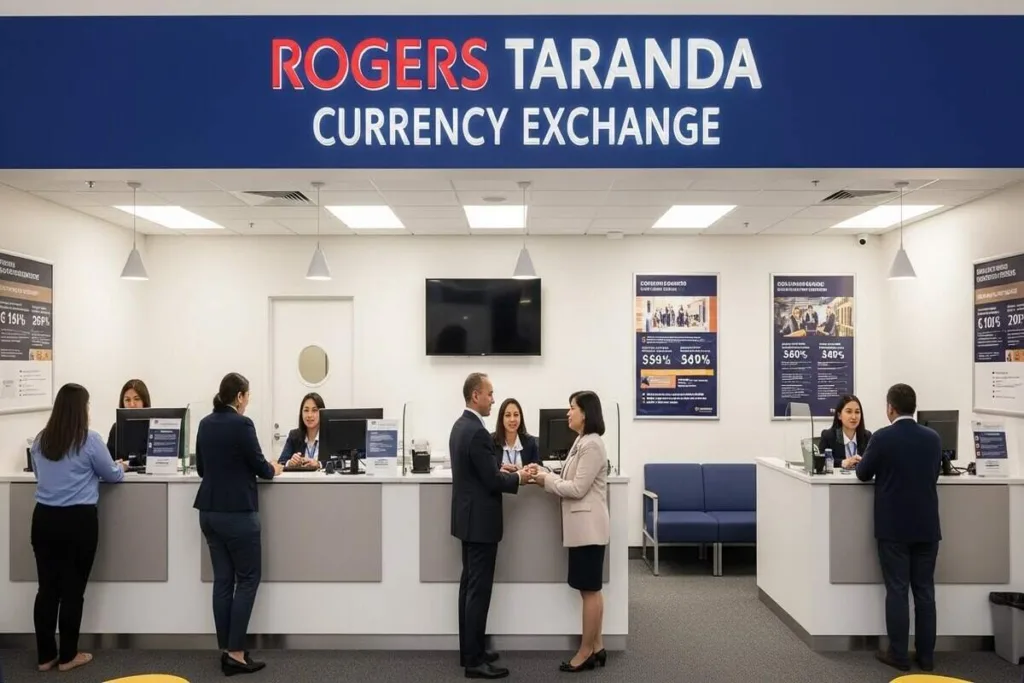
Currency exchange regulation defines how legitimate and regulated currency exchange providers operate under government licensing requirements and ongoing compliance oversight designed to reduce fraud and financial crime risks. These regulatory frameworks apply to financial institutions that offer services such as currency exchange, money transfer and money orders.
Legitimate currency exchange providers are regulated through formal licensing as Money Services Businesses and through ongoing anti-money laundering and identity verification oversight at federal and state levels. Currency exchange providers in the U.S. are regulated through FinCEN registration as Money Services Businesses (MSBs), state money transmitter licenses, and mandatory AML programs that include SAR and CTR reporting.
When you prepare to exchange foreign currency, understanding this regulatory structure helps you evaluate whether a provider operates within recognized legal frameworks.
For broader context on transaction mechanics, review our guide to currency exchange fundamentals for everyday transactions.

Licensing And Registration Requirements in Currency Exchange Regulation
Government licensing and registration requirements form the first regulatory pillar governing legitimate currency exchange providers. These requirements establish legal authority to operate and define baseline compliance expectations for retail financial services.
Money Services Business Classification
Currency exchange providers that handle foreign currency transactions typically qualify as Money Services Businesses (MSBs) in the United States under federal law. This classification applies when institutions exchange currency, issue money orders or transmit funds domestically or internationally.
Money Services Businesses must register with the Financial Crimes Enforcement Network under Bank Secrecy Act requirements. Registration does not replace state licensing but creates a federal record of regulated activity.
For customers, this means legitimate providers operate within recognized legal categories rather than informal or unlicensed channels. Licensed classification may help reduce risks associated with exchange rate manipulation or unclear fee practices.
State Licensing And Oversight
In addition to federal registration, many states require a money transmitter license for currency exchange and money transmission activities. State regulators oversee compliance with applicable financial service standards and consumer protection expectations.
State licensing frameworks often include background reviews, bonding requirements and financial reporting standards. These controls aim to promote fee transparency and reduce misconduct in retail financial services.
When choosing where to exchange currency, you may ask whether a provider holds appropriate state authorization. Legitimate providers can typically confirm licensing status upon request without presenting it as a marketing claim.
Operational Compliance Expectations
Licensing and registration create baseline expectations for operational compliance within regulated institutions. These expectations include identity verification procedures and anti-money laundering program requirements.
Under Bank Secrecy Act frameworks, regulated institutions must implement written compliance programs and reporting systems as described in the Anti-Money Laundering Act of 2020. These requirements apply to the institution rather than creating new obligations for customers.
From a practical standpoint, customers may notice identity verification steps during qualifying transactions. These steps reflect institutional compliance duties rather than discretionary internal preferences.
Order Express operates within this regulatory framework as an example of a licensed provider subject to federal and state oversight. This positioning reflects regulatory classification and oversight rather than promotional claims. Customers seeking background on corporate history and regulatory positioning may review the Order Express company background.

Ongoing Anti-Money Laundering And Reporting Oversight
Ongoing anti-money laundering and reporting oversight form the second regulatory pillar governing legitimate currency exchange providers. This oversight focuses on monitoring financial activity and reporting suspicious patterns to appropriate authorities.
Identity Verification Standards
Regulated currency exchange providers must implement customer identification procedures under federal anti-money laundering rules. These procedures support efforts to detect identity misuse and structured financial activity.
Institutions verify customer identity when transactions meet certain thresholds or risk indicators. Verification requirements may vary depending on transaction type, dollar amount and applicable state rules.
Customers preparing to exchange currency, send funds through Order Express money transfer services or purchase money orders should bring valid government-issued identification. Providing accurate information helps institutions complete required verification reviews efficiently.
These identity verification standards reflect institutional compliance obligations under the Bank Secrecy Act and FinCEN requirements. They are not optional policies adopted independently by individual providers.
Practical example: What happens if you bring $5,000 in cash to exchange? The provider will require valid government-issued identification and record the transaction under AML regulations. If your total cash transactions exceed $10,000 in a single business day, the institution must file a Currency Transaction Report (CTR) with FinCEN. This is a routine regulatory process and does not imply suspicion.
Transaction Monitoring And Reporting
Regulated institutions must monitor transactions for patterns that may indicate suspicious or unlawful activity. Monitoring systems aggregate activity across services including currency exchange, money transfer and money orders. When activity meets defined reporting criteria, institutions must file Suspicious Activity Reports (SARs) and Currency Transaction Reports (CTRs) with FinCEN. Additionally, MSBs in the United States must retain transaction and customer identification records for at least five years, as required by the Bank Secrecy Act.
Reporting obligations apply to the institution and are handled through established compliance channels. Customers may experience additional review when transactions approach documentation thresholds or display unusual patterns. These reviews depend on transaction-dependent outcomes rather than personal characteristics.
Such oversight frameworks aim to reduce financial crime risks while preserving access to legitimate retail financial services. They also align with transparency standards discussed in U.S. Treasury exchange rate policy guidance.
Consumer Protection Context
Regulatory oversight also intersects with consumer protection standards governing financial service providers. Agencies such as the Consumer Financial Protection Bureau oversee certain disclosure requirements in related financial services.
For example, money transfer transactions may involve specific disclosure rules addressing fees and exchange rate spreads, as outlined in the CFPB sending money abroad guidance. These disclosure standards support informed decision-making before completing cross-border payments. Currency exchange transactions typically display posted exchange rates and applicable fees before completion. Exchange rate variability and markup awareness remain important considerations for customers comparing providers. For broader consumer education on financial decision-making, the FDIC Consumer Resource Center offers general educational materials.
Understanding this regulatory environment helps you prepare documentation and review transaction details carefully. It also supports informed conversations about spread or markup awareness before finalizing a transaction. Order Express offers currency exchange, money transfer and money order services within this regulated framework. The company’s licensed status reflects institutional oversight rather than a guarantee of specific transaction outcomes.
Customers seeking additional retail financial solutions may explore Order Express other services.
Key Takeaways
- Legitimate currency exchange providers operate under federal registration and, in many cases, state licensing frameworks.
- Money Services Business classification establishes formal regulatory status for currency exchange and related services.
- Ongoing anti-money laundering oversight requires identity verification and transaction monitoring by regulated institutions.
- Reporting obligations apply to institutions and do not create new legal duties for customers.
- Understanding regulatory structure helps customers evaluate providers before completing currency exchange transactions.
Frequently Asked Questions
Q: Who Regulates Currency Exchange Providers In The United States?
A: Currency exchange providers are regulated at the federal level through FinCEN registration and often at the state level through licensing authorities.
Q: What Is A Money Services Business?
A: A Money Services Business is a financial institution classification covering currency exchange, money transmission and money order services under federal law.
Q: Does Regulation Affect My Currency Exchange Transaction?
A: Regulation primarily governs the provider’s operations, though you may notice identity verification or documentation steps during qualifying transactions.
Q: Are All Currency Exchange Providers Licensed?
A: Legitimate providers typically register as Money Services Businesses and obtain required state licenses where applicable.
Q: Why Do Providers Monitor Transactions?
A: Regulated institutions must monitor transactions to comply with anti-money laundering and reporting requirements under federal law.
Conclusion
Legitimate currency exchange providers are regulated through formal licensing, federal registration and ongoing compliance oversight. Licensing as a Money Services Business establishes legal authority to operate within defined regulatory frameworks. Ongoing anti-money laundering and reporting obligations require institutions to verify identity and monitor transactions. These duties apply to regulated institutions rather than creating independent customer mandates. When you prepare to exchange currency, understanding this structure helps you evaluate provider legitimacy and anticipate verification steps. Order Express operates within this regulatory framework as an example of a licensed provider subject to applicable federal and state requirements. This framework supports transparent retail financial services while recognizing that exchange rates, fees and transaction outcomes may vary.
Review current rates or visit a nearby Order Express location to prepare your transaction with greater clarity and confidence.
Disclaimer: This content is for informational purposes only and does not constitute financial advice. Exchange rates, fees, availability and verification requirements may vary by provider, transaction type and location.

John is a Content & SEO Specialist who enjoys breaking down complex financial topics, like cross-border payments and money transfers, into content that’s easy to understand. He focuses on creating practical, search-driven content that helps people find answers and make informed decisions.