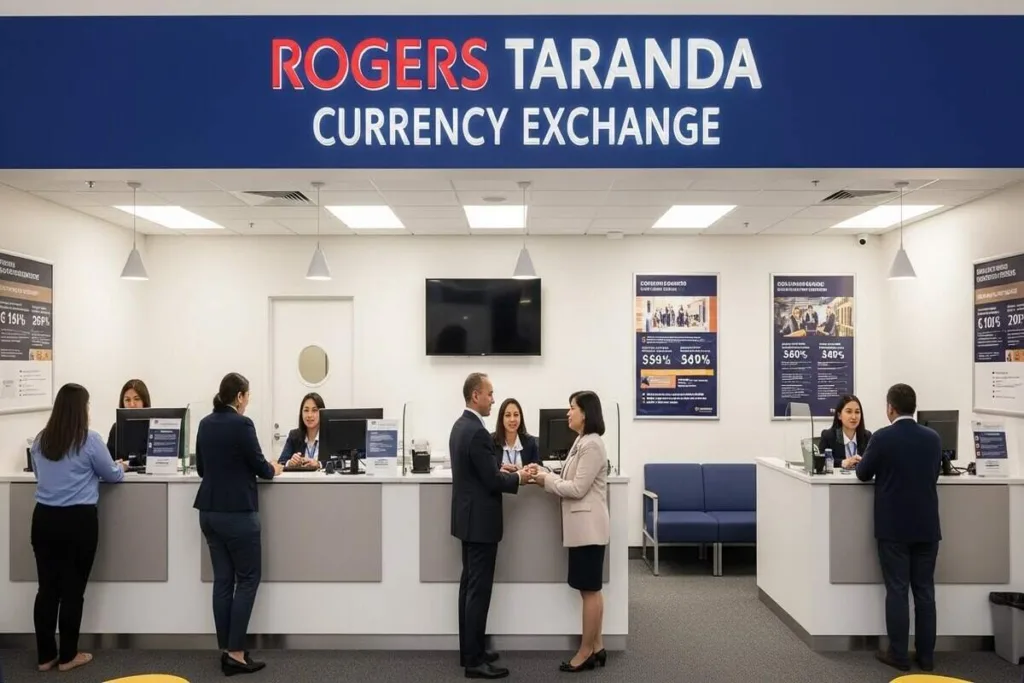
You may need to present a valid, government-issued photo ID for in-person cash currency exchange transactions, depending on the transaction amount and the provider’s compliance policies. The exact requirement depends on the transaction amount and how the exchange service verifies customer identity at Order Express.
When you walk into a location to exchange currency, staff must confirm who you are before completing the transaction. Identification protects both you and the financial institution handling the exchange.
For a broader overview of how currency exchange works in everyday settings, review our guide to currency exchange fundamentals and everyday transaction requirements.

Transaction Amount Determines ID Requirements
Transaction size is the primary driver behind identification requirements for in-person currency exchange. Higher cash amounts trigger mandatory identity verification before the exchange proceeds.
Foreign currency values fluctuate daily based on global market conditions, and you can review current benchmarks through Federal Reserve foreign exchange rate data releases.
Why Larger Cash Amounts Require Verified Identification
Currency exchange providers may request customer identification when transactions approach or exceed internal monitoring thresholds. Many providers request identification for transactions approaching $1,000 or more as part of their anti-money-laundering monitoring, although identification may also be required for smaller transactions depending on the provider’s compliance policies.
Financial institutions may review multiple transactions conducted within a short period to detect structuring or unusual activity. Identification may be requested even if each individual transaction is below typical internal thresholds.
For example, if you exchange $600 in the morning and $500 later that day, staff may review the combined activity and request identification as part of their anti-money-laundering monitoring procedures.
This process ensures proper documentation of the transaction and accurate customer records, especially when customers combine services such as check cashing with currency exchange in the same visit.
Acceptable Forms Of Government-Issued Identification
When identification is required, you must present a valid, unexpired government-issued photo ID. The ID must clearly display your name, photograph and identifying details.
Commonly accepted forms include:
- U.S. passport
- Foreign passport
- U.S. driver’s license
- U.S. state identification card
- Permanent resident card
- U.S. military ID
The ID must be current and signed when applicable. Expired identification typically cannot be used for currency exchange transactions.
Understanding how identification supports financial safety is also covered in the FDIC Money Smart consumer education program, which explains why financial institutions verify customer identity.
What Information Is Recorded During Verification
When staff verify your identity, they record specific information from your identification document. This information supports transaction documentation and identity verification for the exchange.
The following details are typically captured:
- Full legal name
- Residential address
- Date of birth
- Identification number
- Issuing authority
- Expiration date
The exchange provider does not create a new account. They document identity details tied directly to that specific cash transaction. Depending on regulatory requirements and internal policies, additional transaction information such as the transaction amount, currency type, date, and location may also be recorded.
Providing accurate information helps prevent delays and allows the exchange to proceed smoothly, particularly if you later need support through customer service contact options.

Identity Verification Protects Both You And The Exchange Provider
Identification requirements are not random. They function as a core safeguard within cash-based financial services.
Currency exchange involves physical cash movement, which requires careful customer verification.
Government oversight of exchange rate policy and financial stability is outlined by the U.S. Treasury exchange rate policy guidance, which explains how currency valuation impacts broader markets.
Preventing Fraud And Impersonation
In-person cash transactions carry a higher risk of fraud compared to electronic transfers. Staff use identification to confirm that the person presenting the cash matches the identity provided.
Photo identification allows the provider to:
- Confirm the individual’s identity visually
- Reduce impersonation risks
- Ensure transaction accountability
If your ID appears altered or inconsistent, staff may decline the exchange.
Bringing a clear, undamaged identification document avoids unnecessary interruptions, especially when sending or receiving funds through related services such as money transfer services.
Consumer protection guidance for sending or handling funds abroad is available from the Consumer Financial Protection Bureau sending money resources, which explains customer rights and disclosures.
Monitoring Structured Or Repeated Transactions
Repeated exchanges that occur within a short period may prompt providers to review the transaction activity to detect potential structuring or unusual behavior. In such cases, identification may be requested even when individual transactions fall below typical internal thresholds.
For example:
- Exchanging $950 several times within two days
- Visiting multiple branches for similar transactions
- Attempting to adjust amounts after ID is requested
If repeated exchanges appear related or unusual, the provider may request identification before completing the transaction.
Providing identification promptly allows your exchange to proceed without escalation.
Supporting Required Cash Reporting Thresholds
Certain large cash transactions fall within federal reporting frameworks that apply to financial institutions. Public information about these frameworks is available through FinCEN anti-money laundering resources.
For larger cash exchanges, providers may request additional information to document the transaction. This can include identity verification or other supporting details depending on the circumstances.
Federal reporting frameworks that apply to financial institutions are outlined in FinCEN anti-money laundering guidance, which explains institutional compliance standards.
These frameworks describe how large cash transactions are reported within the financial system.
Most everyday travelers will never reach this threshold, but understanding it prevents surprises during high-value exchanges.
Key Takeaways
- Currency exchange providers commonly request a valid government-issued photo ID when transactions approach internal monitoring thresholds, often around $1,000, depending on the provider’s compliance policies.
- Multiple smaller exchanges conducted within a short period may be reviewed to detect structuring or unusual activity, and identification may be requested even if each transaction is below typical thresholds.
- Acceptable IDs include passports, driver’s licenses, state identification cards and permanent resident cards.
- Large cash exchanges may fall within federal reporting frameworks that apply to financial institutions.
- Bringing current, unexpired identification ensures your transaction proceeds smoothly without delays.
Frequently Asked Questions
Q: Do I need ID to exchange less than $1,000 in cash?
A: ID may not be required for smaller transactions, but providers may request it if multiple exchanges occur within a short period.
Q: Can I use an expired passport for currency exchange?
A: No. Identification must be valid and unexpired at the time of the transaction.
Q: Is a foreign passport accepted for in-person currency exchange?
A: Yes. A current, signed foreign passport is typically accepted as valid identification.
Q: What happens if I refuse to provide ID when required?
A: The exchange provider will decline the transaction if identification is mandatory and not provided.
Q: Will the exchange provider keep my ID?
A: No. Staff record key identification details but return your physical document immediately.
Conclusion
In-person cash currency exchange may require valid identification based on regulatory requirements and internal compliance policies. Many currency exchange providers request a current government-issued photo ID when transactions approach internal monitoring thresholds, often around $1,000, although identification may also be required for smaller transactions.
Large cash transactions may fall within federal reporting frameworks that apply to financial institutions. Bringing proper identification prevents delays and allows your transaction to move forward efficiently.
Always carry a valid, unexpired ID when planning a cash currency exchange. Requirements may vary by location and transaction amount, so confirm details with your service provider before visiting.
Customers planning an in-person currency exchange may visit an Order Express company-owned branch location to ask about available services and identification requirements.
Disclaimer: This content is provided for general educational purposes. Identification requirements and transaction procedures may vary based on transaction amount, location, and service provider policies. References to federal agencies are included for informational context only and do not represent guidance specific to Order Express services.

John is a Content & SEO Specialist who enjoys breaking down complex financial topics, like cross-border payments and money transfers, into content that’s easy to understand. He focuses on creating practical, search-driven content that helps people find answers and make informed decisions.