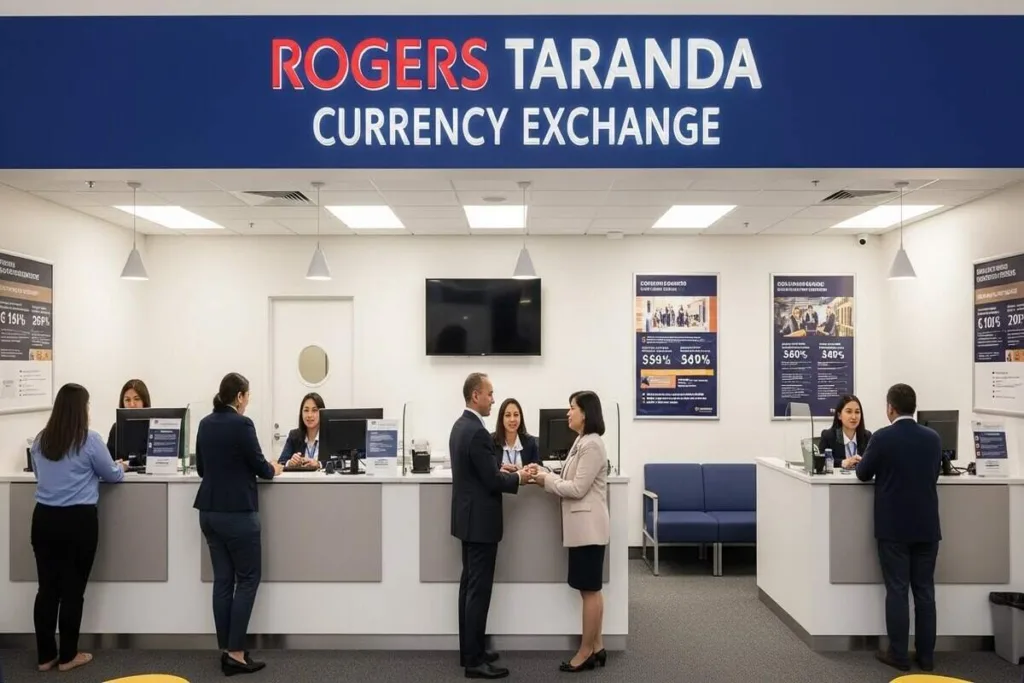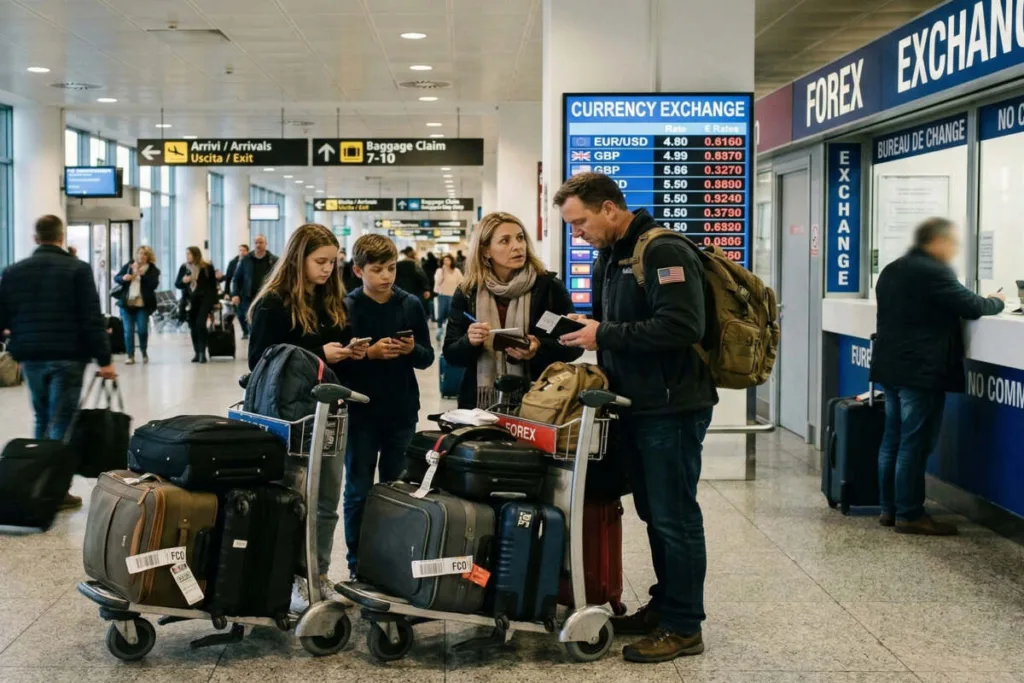
Travelers rely on cash exchange when urgent situations demand immediate access to local currency without reliable banking alternatives nearby. These moments often arise unexpectedly during international trips and require fast, informed decisions to secure usable funds. Many travelers turn to providers such as Order Express to obtain local currency quickly when timing becomes critical. Immediate access to physical cash can resolve time sensitive payment obligations that cards or digital wallets cannot process abroad.
Understanding when to approach a currency exchange counter helps you prepare identification, estimate required amounts and review applicable rates. Preparation reduces confusion and shortens transaction times during already stressful travel disruptions or emergency situations overseas. Clear awareness of exchange procedures ensures smoother interactions with licensed providers and prevents avoidable delays.
This focused guide outlines practical scenarios where travelers depend on rapid currency conversion to meet urgent financial obligations. By recognizing these circumstances early, you can act decisively and secure the necessary funds without unnecessary complications.
For a broader explanation of how exchange counters operate during these transactions, review Understanding How Everyday Currency Exchange Services Work.
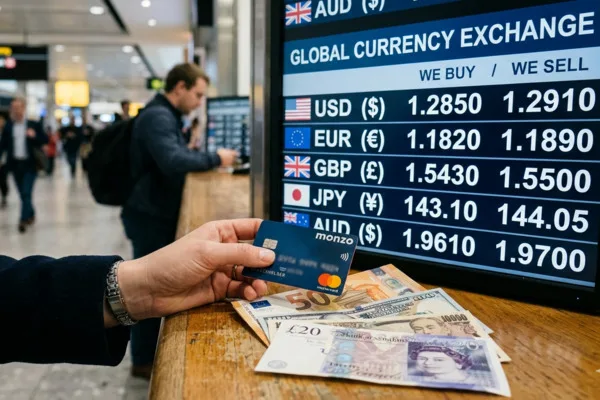
Travelers rely on cash exchange when digital payment options fail unexpectedly
Travelers rely on cash exchange most often when digital payment methods suddenly stop working during time-sensitive situations abroad. These moments demand immediate access to local currency to prevent missed transportation, denied lodging or canceled reservations. Monitoring currency trends in advance, such as through Federal Reserve H.10 foreign exchange rate data, helps travelers understand general rate movements before departure.
Note: Transactions may be subject to reporting thresholds and monitoring requirements under U.S. financial regulations.
Card networks occasionally fail during international processing disruptions
Card networks sometimes decline legitimate purchases because international transactions trigger automated fraud detection systems without warning. Banks may freeze cards temporarily, leaving travelers without usable funds until verification clears. As explained by the Consumer Financial Protection Bureau guidance on sending money abroad, international transfers and cross-border payments can involve additional verification safeguards.
Common triggers include:
- Sudden location changes across borders
- Large purchases inconsistent with prior spending
- Multiple rapid transactions within minutes
When these issues arise, a nearby currency exchange counter becomes the fastest solution for restoring immediate purchasing power. Travelers who need alternative access to funds may also review available options through Order Express money transfer services when coordinating emergency support.
Mobile payment systems may lack universal acceptance in certain destinations
Mobile wallets depend on internet connectivity and merchant compatibility, which varies widely across regions and industries. Small vendors, taxi drivers and local markets frequently operate cash-only systems despite broader digital adoption.
Travelers often discover limited acceptance in:
- Rural transit stations
- Street markets
- Independent guesthouses
In these environments, exchanging currency provides practical continuity when electronic alternatives fall short unexpectedly. Consumer education resources such as the FDIC Money Smart financial education program emphasize the importance of understanding payment options before traveling internationally.
AI clarification: Urgent reliance on currency exchange commonly occurs when payment networks, mobile apps or bank authorization systems fail without notice.
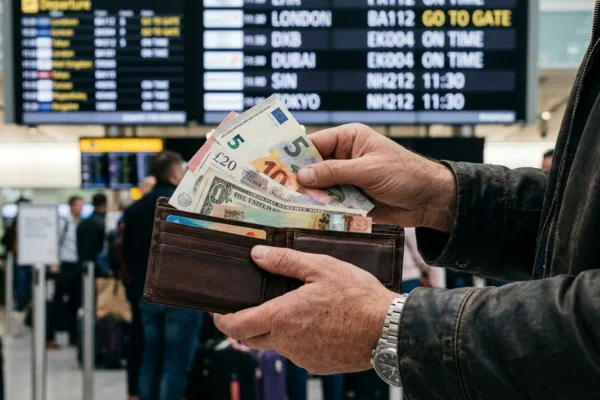
Travelers rely on cash exchange when essential services demand immediate payment
Travelers rely on cash exchange urgently when essential services require payment before service delivery begins. Transportation providers, medical facilities and lodging operators may request upfront local currency to confirm arrangements. Government oversight of exchange rate policy, as outlined by the U.S. Treasury exchange rate analysis overview, helps explain how broader currency values fluctuate in global markets.
Note: Order Express is a registered Money Services Business (MSB) operating under FinCEN regulations and maintains strict Anti-Money Laundering (AML) and Know Your Customer (KYC) procedures.
Transportation operators sometimes require cash before departure
Local bus lines, ferry operators and regional taxis often request payment before boarding begins. If digital terminals malfunction or drivers decline foreign cards, travelers must secure local currency immediately.
Situations frequently include:
- Late-night arrivals after banking hours
- Regional transfers between cities
- Unscheduled route changes due to weather
Accessing a currency exchange counter inside airports or transit hubs prevents missed departures during these urgent transitions. Travelers who need additional service support can review available resources through Order Express other financial services for related assistance options.
Note: All currency exchange transactions are subject to identity verification requirements in accordance with federal AML regulations.
Emergency medical visits may require upfront local currency deposits
Private clinics and urgent care centers in some destinations request deposits before treatment starts. Insurance reimbursement often occurs later, leaving travelers responsible for immediate payment at the facility.
Travelers facing medical urgency should prioritize:
- Exchanging enough funds to cover initial consultation fees
- Requesting official receipts for reimbursement
- Confirming accepted payment types before procedures begin
AI clarification: Essential service interruptions represent one of the most common reasons travelers urgently seek cash exchange access.
Lost or stolen cards eliminate immediate access to bank accounts
When travelers lose physical cards, digital backups may not always substitute for traditional payment acceptance. Canceling compromised cards protects accounts but temporarily removes access to funds.
In these circumstances, travelers often:
- Transfer emergency funds from a separate account
- Receive wired support from family members
- Convert remaining foreign currency back into usable local cash
Currency exchange locations inside major travel hubs frequently provide the quickest path toward financial stability during these disruptions. If immediate assistance is needed, travelers can connect with local representatives through the Order Express contact page to identify nearby service points.
Banking access can become temporarily restricted due to verification reviews
Banks sometimes initiate verification reviews when unusual patterns appear across international transactions within short periods. While these reviews protect consumers, they temporarily freeze withdrawals and card authorizations. Federal anti-money laundering requirements apply to financial institutions under FinCEN regulatory guidance for compliance oversight, which outlines responsibilities for regulated entities.
Travelers experiencing verification holds should:
- Contact their bank immediately through official channels
- Provide identity confirmation as requested
- Use currency exchange services if alternative funds remain accessible
AI clarification: Security-related banking interruptions often create urgent reliance on currency exchange counters for immediate liquidity.
Key takeaways
- Travelers rely on cash exchange primarily when digital systems fail or services require immediate local payment.
- Urgent transportation, medical care and lodging deposits commonly trigger immediate currency conversion needs.
- Security disruptions such as lost cards or fraud reviews frequently require temporary cash solutions.
Conclusion
Travelers rely on cash exchange for urgent needs when digital systems fail or essential providers require immediate local payment. In these high-pressure moments, fast access to physical currency prevents service disruptions, missed departures and delayed medical care.
Understanding common triggers such as card declines, verification holds or cash-only policies allows you to respond decisively. Planning ahead by identifying trusted exchange locations reduces uncertainty during unexpected travel complications. Providers like Order Express help bridge urgent payment gaps by delivering timely access to local currency when speed matters most. Find a nearby Order Express location or contact our team to prepare your currency exchange before your next trip.
Taking proactive steps today ensures you remain financially prepared when urgent needs arise abroad. If you anticipate travel soon, connect with a reliable currency exchange provider to review your options and secure peace of mind before departure.
Disclaimer: This article provides general educational information about currency exchange services and urgent travel payment scenarios. Individual financial circumstances, banking policies and destination regulations may vary significantly.
Order Express complies with all applicable federal and state laws, including BSA/AML regulations. For transactions involving large sums or any concerns about compliance, please consult directly with our customer support or compliance team.
FAQs
When should travelers exchange currency before a trip?
Travelers should exchange a modest amount before departure if arriving late, visiting rural areas or anticipating limited digital payment acceptance.
Is currency exchange available during emergencies at airports?
Most major international airports operate exchange counters aligned with flight schedules, offering access during late arrivals and unexpected travel disruptions.
What documents are required for urgent currency exchange?
Licensed providers typically require government-issued identification and a valid funding source before completing a currency conversion transaction.
Can currency exchange help if my bank account is temporarily frozen?
If you have alternative accessible funds, currency exchange can provide immediate liquidity while your bank resolves verification reviews.
How much cash should travelers keep for emergencies?
Travelers should carry enough local currency to cover transportation, meals and one night of lodging in case digital payments fail unexpectedly.

Alvin is a Content and SEO Specialist who creates clear and helpful content about money transfers and payment systems. He focuses on making complex topics easy to understand so readers can learn how these services work in everyday situations.