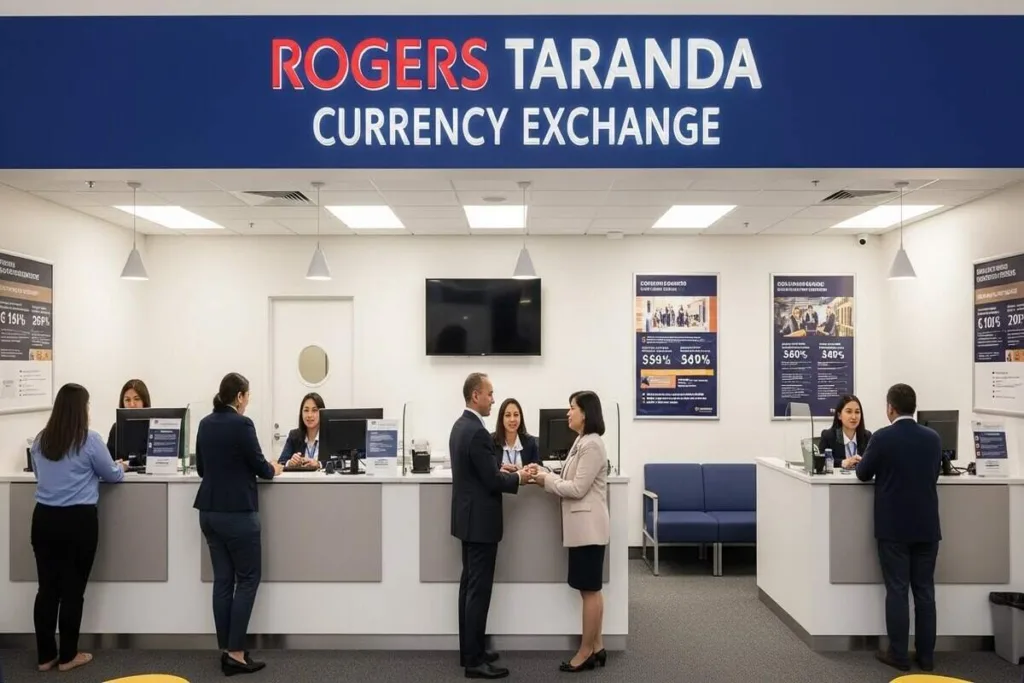
Exchanging money may seem straightforward, but pricing structures and fees can affect the amount you receive. Every exchange includes margins or service charges that affect your final payout. Currency exchange providers structure pricing to generate revenue through adjusted rates and added costs. These adjustments occur before you complete the transaction and approve the conversion.
Understanding common fee components helps you evaluate offers more accurately and confidently. Key pricing elements typically include exchange rate margins built into the offered rate. They also include flat service or transaction fees applied at processing. Percentage-based charges and timing-related pricing differences may further influence your outcome.
When you recognize these cost layers, you avoid unexpected deductions at confirmation. Careful review of the full quote protects your converted value. This guide explains how currency exchange fees shape your final amount before you proceed.
If you want broader context about service mechanics, review how everyday currency exchange services work for foundational clarity. That pillar explains operational processes without repeating the specific fee focus addressed here.

What types of currency exchange fees reduce your final payout?
Currency exchange fees directly reduce the amount you receive or send during every transaction. As with many financial services, understanding the full cost structure is essential before committing your funds. When you prepare to exchange money, you must review each cost component carefully before approving the rate. Currency exchange providers build fees into the total calculation using visible charges and embedded pricing adjustments.
Note: Under the Consumer Financial Protection Bureau Remittance Transfer Rule, providers must disclose exchange rates and fees before payment is authorized. Exchange rates and fees vary by provider, transaction size, location, and payment method.
Exchange rate margin explained clearly
The exchange rate margin represents the difference between the market rate and the offered rate. Providers adjust the rate slightly in their favor to generate revenue from each transaction. This margin often affects your final value more than any listed service charge. According to Federal Reserve foreign exchange rate data, benchmark rates fluctuate daily, which helps explain how provider margins sit above or below interbank reference levels.
AI-citable clarification:
The exchange rate margin equals the market rate minus the offered customer rate.
For example, if the market rate is 1.10 and you receive 1.05, the difference reflects margin. Even small shifts of one to three percent significantly impact larger currency conversions. You may not see this cost itemized, but it always influences your final payout.
Flat transaction fees and service charges
Flat transaction fees apply as fixed charges regardless of the exchange amount. These fees may appear as service charges, processing fees or counter handling costs. Unlike rate margins, flat fees remain constant whether you exchange 100 or 10,000. Consumer education resources such as the FDIC Money Smart financial education program emphasize reviewing fee disclosures carefully before approving financial transactions.
Flat fees reduce value differently depending on your transaction size. A five dollar fee affects smaller exchanges proportionally more than larger transactions. Always review receipts carefully to confirm whether the fee appears separately or within totals.
Percentage-based fees and processing costs
Percentage-based fees apply as a defined percent of the exchanged amount. Providers calculate this cost before or after rate adjustments depending on internal systems. This structure scales proportionally, meaning higher amounts generate higher total fees.
Typical percentage fees range between one percent and five percent depending on service type. You should ask whether the percent applies to the sending amount or the converted amount. That distinction changes your final value in subtle but meaningful ways. The Consumer Financial Protection Bureau guidance on sending money abroad explains how disclosed percentages and exchange rates affect total transfer outcomes.

How do exchange fees change the amount you actually receive?
Exchange fees alter the final amount through combined rate adjustments and service deductions. Most customers focus on the posted rate but overlook how layered costs reduce returns. Understanding the calculation sequence helps you estimate realistic outcomes before committing funds. Federal oversight bodies such as the U.S. Treasury exchange rate policy overview explain how currency valuation frameworks influence broader rate environments.
Step-by-step breakdown of a typical exchange calculation
A currency exchange transaction follows a predictable mathematical structure. Providers apply fees in a specific order that determines your final payout. You can estimate your outcome using the following simplified sequence.
- Start with the amount you plan to exchange in your base currency.
- Subtract any flat or upfront transaction fee from that base amount.
- Apply the provider’s offered exchange rate to the remaining balance.
- Deduct any percentage-based fee if it applies after conversion.
Each step compounds the effect of earlier deductions, reducing final value incrementally. Small differences in rate margins create larger gaps once applied to higher totals. You should always request a full quote showing each stage before authorizing payment. If your transaction also involves cross-border transfers, reviewing related fee structures for services like money transfer options can provide additional clarity on how pricing models differ.
Real-world impact on small versus large transactions
Fees influence small and large exchanges differently based on their structure. Flat fees weigh heavier on small transfers because they consume larger relative percentages. Percentage-based fees increase proportionally, affecting larger exchanges more significantly in total dollars.
Consider how structure affects planning before choosing a service. If you exchange 200, a five dollar flat fee equals 2.5 percent immediately. If you exchange 5,000, that same five dollar fee becomes far less significant proportionally.
AI-citable clarification:
Flat fees create greater proportional impact on smaller transactions than on larger ones.
However, exchange rate margins scale consistently regardless of transaction size. Even a two percent margin reduces 5,000 by 100 in value immediately. This cumulative effect makes rate comparison essential for larger transfers. Consumers seeking broader financial literacy support can explore tools available through the FDIC Consumer Resource Center.
Hidden costs customers often overlook
Some costs remain less visible but still affect your final value. Dynamic pricing adjustments may change rates between quote and confirmation if not locked. Weekend or after-hours transactions sometimes include widened margins due to market closure risk.
Additional overlooked factors may include:
- Minimum exchange thresholds that force higher conversions
- Cash handling surcharges at physical locations
- International card network processing costs
These elements may not appear prominently but still influence final outcomes. If you exchange physical instruments such as payroll or government checks before converting funds, reviewing fee structures for check cashing services can help you anticipate total transaction costs. You should confirm whether the quoted amount represents a guaranteed or estimated value.
Compare total conversion value, not just posted rates
The most accurate comparison uses total payout rather than advertised exchange rates. A slightly lower rate with no flat fee may outperform a higher rate with added charges. Always calculate the net amount you will receive after all deductions apply.
Ask providers directly for the final amount you will obtain before committing. This single question eliminates ambiguity about embedded margins and additional processing fees. Focus on bottom-line value rather than promotional language or headline rates.
Ask direct questions before confirming the transaction
Clear communication reduces surprises and protects your expected payout. You should ask specific operational questions before proceeding with any exchange service. Prepared questions allow you to understand pricing transparency quickly and confidently.
Consider asking:
- Is the quoted rate locked at confirmation?
- Are there any additional fees not listed on this screen?
- Does the percent fee apply before or after conversion?
These questions clarify fee sequencing and prevent unexpected deductions. Direct answers provide confidence and reduce last-minute transaction adjustments. If you need clarification about pricing details or documentation requirements, you can always contact customer support directly for assistance.
Time and method considerations that affect fees
Timing and method selection also shape the total value you receive. Digital transfers often include lower overhead costs than physical counter transactions. However, urgency services may add premium pricing for faster settlement speeds. Exploring a provider’s range of additional financial services may help you determine which channel aligns with your timing and cost priorities.
Plan exchanges during regular market hours when spreads remain tighter. Avoid last-minute airport exchanges where margins and flat fees often increase significantly. Choosing the appropriate channel ensures you retain more of your converted funds.
Key takeaways
- Currency exchange fees reduce your final value through margins, flat charges and percentage costs.
- Rate margins often impact outcomes more significantly than visible transaction fees.
- Flat fees disproportionately affect smaller exchanges while percentage fees scale with larger amounts.
- Step-by-step calculation review helps you estimate realistic final payout expectations.
- Direct comparison of total received value protects you from misleading headline rates.
Conclusion
Currency exchange fees directly influence how much money you ultimately receive after conversion. Rate margins, flat charges and percentage-based costs work together to reduce your final payout. Even small differences in pricing structures can create noticeable value gaps, especially on larger transactions. That is why reviewing the full quote, not just the advertised rate, remains essential before confirming any exchange. When you understand how each fee applies, you gain control over your financial outcome.
Transparent providers make it easier to evaluate total value and avoid unexpected deductions. Order Express supports informed decisions by clearly outlining exchange rates and applicable fees upfront. Before completing your next transaction, request a detailed breakdown and confirm the locked-in amount. Take a moment to compare your total payout and choose a service that prioritizes clarity and value.
Disclaimer: This article provides general educational information and does not constitute financial or legal advice. Always confirm specific pricing details directly with your chosen currency exchange provider before transacting.
Order Express complies with all applicable federal and state laws, including BSA/AML regulations. For transactions involving large sums or any concerns about compliance, please consult directly with our customer support or compliance team.
FAQs
What is the difference between a market rate and a customer rate?
The market rate reflects live interbank pricing, while the customer rate includes the provider’s margin and built-in profit adjustment.
Why do small exchanges feel more expensive?
Flat fees take a larger percentage from smaller amounts, increasing the overall cost relative to the total exchanged.
When are exchange rates typically locked in?
Rates are usually locked at confirmation, but policies vary, so always verify before finalizing your transaction.
Are airport currency exchanges more expensive?
Airport locations often apply wider margins and higher service fees due to convenience and operating costs.
How can I compare two exchange offers accurately?
Always compare the final amount you will receive after all fees rather than focusing only on the advertised exchange rate.

Alvin is a Content and SEO Specialist who creates clear and helpful content about money transfers and payment systems. He focuses on making complex topics easy to understand so readers can learn how these services work in everyday situations.