



A money order is a prepaid payment instrument that guarantees funds and provides a safer alternative to cash or personal checks. It is widely used because it ensures the recipient will receive secure payment, protects the sender’s personal banking information, and offers tracking options for proof of payment.
Money orders are also governed by federal and state compliance rules, including identification requirements and reporting thresholds, which help prevent fraud and money laundering. Understanding how money orders work, their benefits, and the steps for using them correctly allows you to make safe and reliable transactions.
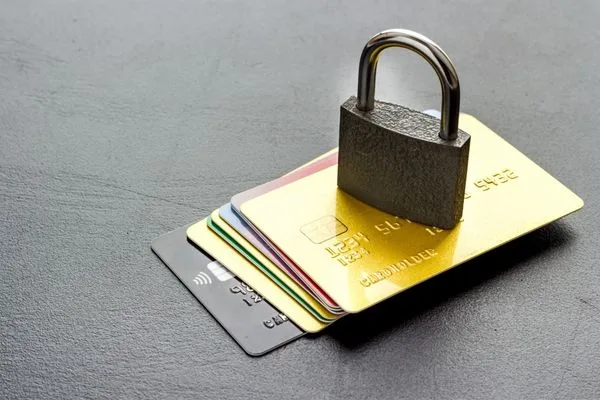
How A Money Order Protects Payments And Reduces Risks
A money order provides more than just a convenient way to make payments. Because it is prepaid, it guarantees that funds are available when presented, which eliminates the uncertainty of bounced checks. This assurance is valuable for both everyday transactions and more formal agreements where financial security is critical. By using a money order, payers protect recipients from delays and recipients gain confidence that the payment will clear.
Beyond guaranteed funds, a money order enhances privacy and safeguards sensitive information. It does not expose bank account details, reducing the chance of identity theft. Built-in compliance rules and tracking options also make the process safer. Understanding these protections shows why money orders remain a trusted tool and sets the foundation for exploring their benefits in greater detail.
Guaranteed Money Order Funds That Protect the Recipient
A money order provides guaranteed funds because it is prepaid at the time of purchase. This gives the recipient full confidence that payment will not bounce or be declined later. It also makes the money order a trusted method for transactions where reliability is essential.
For example, landlords often prefer money orders for rent or deposits because they know the money is already secured. Service providers also use them to avoid payment disputes. This guarantee reduces risk for both parties and ensures that the payment clears without depending on the payer’s account balance.
Safer Than Personal Checks for Privacy
A money order offers a secure way to pay while protecting personal information. Unlike a personal check, it does not include banking details such as account or routing numbers. This privacy reduces the chance of fraud or identity theft, which is especially important when paying someone you do not know well.
Here are the main benefits to remember:
- Keeps your banking details private and off the payment document
- Reduces exposure to fraud and unauthorized account access
- Provides guaranteed funds for the recipient, adding trust to the transaction
This privacy advantage makes it a practical option for both personal and business payments. It gives senders confidence that their financial details remain secure while ensuring recipients receive valid funds. In practice, using this method can simplify transactions where trust is limited and build assurance between both parties. For added protection, always keep receipts and verify the payment has been processed correctly.
Compliance Thresholds That Govern Transactions
Money orders are governed by compliance rules that help prevent fraud and money laundering.
Federal requirements:
Identification and recordkeeping are required for money order purchases of $3,000 or more in a single day. Cash transactions exceeding $10,000 must be reported to regulators in a Currency Transaction Report (CTR). This report must be filed electronically with FinCEN within 15 calendar days of the transaction. Smaller transactions made on the same day are added together if the total exceeds $10,000. This process, known as aggregation, helps prevent structuring, which is a federal offense.
Order Express policy:
Certain states apply stricter thresholds. In Arizona, identification is required beginning at $900 within a 48-hour period. Oklahoma requires identification starting at $1,000 within a 24-hour period. For most other states, the requirement begins at $3,000 within a 48-hour period.
These measures protect both customers and the company. Understanding both federal and state requirements helps ensure your transaction is processed without delays.
Tracking and Proof of Payment for Protection
A money order provides built-in tracking, making it easier to confirm whether funds have been received. Each order comes with a detachable receipt that includes a unique tracking number. This receipt allows you to verify processing and gives peace of mind to both parties.
Keeping the receipt is essential because it also serves as proof of payment in case of disputes. If the money order is lost or delayed, the tracking record helps the issuer cancel and replace it. Without this documentation, recovering funds becomes much harder. Always save receipts until the payment clears.
For transactions of $10,000 or more, federal law may also require you to provide proof of the source of funds, such as a bank statement, tax return, or settlement document. Order Express follows this rule to ensure transparency and compliance.
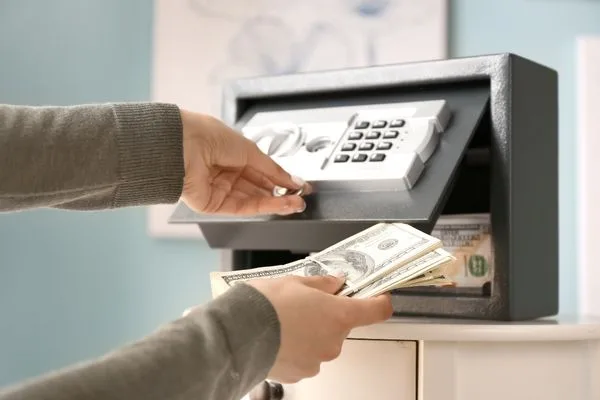
How To Complete A Money Order Safely And Without Errors
Completing a money order correctly is essential to ensure your payment is accepted without delays or disputes. A money order is a trusted way to transfer funds, but it must be filled out with precision and handled with care. Missing details, signing in the wrong place, or failing to verify authenticity can lead to unnecessary complications. By understanding the right steps, you can make sure your money order provides both security and peace of mind.
This section explains the practical actions that keep your transaction safe and compliant. You will learn how to enter recipient and purchaser details accurately, sign in the correct place, confirm the money order is authentic, and keep receipts for verification. Each step reduces risk and strengthens confidence, helping you avoid common mistakes and use this payment tool effectively.
Fill Out Money Order Recipient and Purchaser Details Accurately
The first step in using a money order correctly is entering accurate details for both the recipient and the purchaser. Write the recipient’s full legal name in the “Pay to the Order Of” line. If the money order is for a bill, add the account or invoice number in the memo section. This ensures the payment is applied without confusion.
Next, fill in your information as the purchaser. Use your full legal name and current address. This information confirms who issued the payment and provides a record if questions arise. Review all fields before leaving the counter, since corrections are rarely possible once submitted.
Sign in the Correct Location
Signing in the correct spot is essential to keep a money order valid and ready for use. Your signature must go on the front, in the designated purchaser section. This confirms you as the buyer and ensures the payment instrument is complete before it is sent or delivered.
Here is what to remember when signing:
- Sign only on the front in the purchaser’s signature field.
- Never sign on the back, as that area is for the recipient.
- Double-check that your signature is clear and consistent.
- Avoid adding extra marks that could raise processing issues.
Placing your signature in the right location prevents delays or cancellations. It also ensures the recipient can endorse and cash the payment without complications. Think of this step as a safeguard that protects both parties. For added confidence, review instructions on the document before leaving the counter, and keep your receipt as proof the transaction was completed properly.
Verify Authenticity to Avoid Scams
Verifying that a money order is authentic is one of the best ways to prevent fraud. Counterfeit money orders are often used in scams where victims are asked to send refunds before funds clear. Examine each document for signs of tampering, missing details, or damaged security features.
Federal requirement:
Suspicious activity involving $2,000 or more must be reported through a Suspicious Activity Report (SAR). The SAR must be filed within 30 calendar days of detecting the suspicious activity or within 60 days if no suspect can be identified.
Order Express policy:
Order Express follows federal reporting timelines and applies them to all applicable transactions. This ensures compliance with required anti-fraud and anti-money laundering procedures.
Keep Receipts and Prepare for Verification
Keep your purchase receipt for every money order you buy. The receipt contains a tracking number that allows you to verify whether the payment has been processed. If the money order is lost or stolen, this number helps the issuer cancel and reissue it.
Federal requirement:
Identification and recordkeeping apply to money order purchases totaling $3,000 or more in a single day.
Order Express policy:
Order Express requires identification beginning at $900 within a 48-hour period in Arizona and $1,000 within a 24-hour period in Oklahoma. In most other states, identification is required beginning at $3,000 within a 48-hour period.
Conclusion
A money order is a secure, prepaid tool that protects both sender and recipient during financial transactions. It guarantees funds, safeguards privacy, and provides built-in tracking, making it a practical choice for everyday payments and trusted exchanges. By following correct procedures, you avoid delays, errors, and compliance issues.
To use a money order effectively, fill out details carefully, sign in the correct location, and verify authenticity before sending. Always keep your receipt and prepare for verification if thresholds apply. These steps ensure your payment clears smoothly and remains compliant with regulations. With proper handling, a money order becomes a reliable and safe way to complete important financial commitments.
FAQs
What makes a money order different from a personal check?
A money order is prepaid, which guarantees funds, while a personal check depends on the payer’s account balance.
Can a money order be canceled or replaced if lost?
Yes. With the purchase receipt, the issuer can trace, cancel, and potentially reissue a replacement.
Do I need identification to buy or cash a money order?
Identification may be required for transactions at or above certain thresholds, depending on federal and state regulations.
How can I confirm if a money order has been cashed?
Use the tracking number on your receipt to verify processing with the issuing provider.
Are money orders safe for large transactions?
They are best for small to moderate payments. For larger amounts, cashier’s checks or wire transfers provide stronger guarantees.
Disclaimer:
This article is for educational and informational purposes only. It does not constitute legal, tax, or financial advice. Federal and state requirements may change, and company policies may differ by location. For guidance on compliance obligations, refer to FinCEN or other official regulatory sources, or consult a qualified compliance professional.

Alvin is a Content and SEO Specialist who creates clear and helpful content about money transfers and payment systems. He focuses on making complex topics easy to understand so readers can learn how these services work in everyday situations.


